“We came from all corners of the desert, guided by the wisdom of T.E. Lawrence. Aqaba was our destination, and destiny beckoned us forward.” (unknown Bedouin warrior)
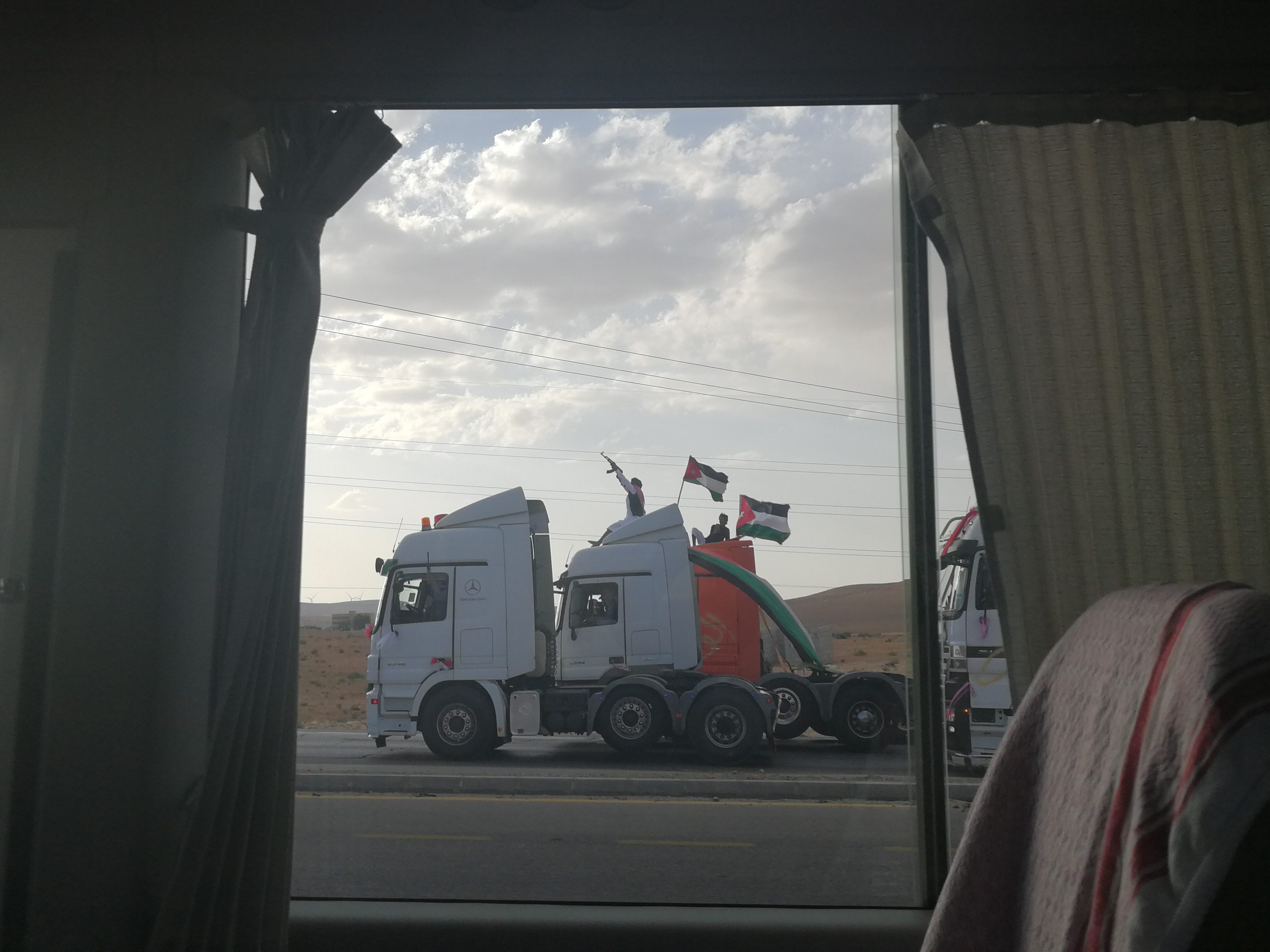
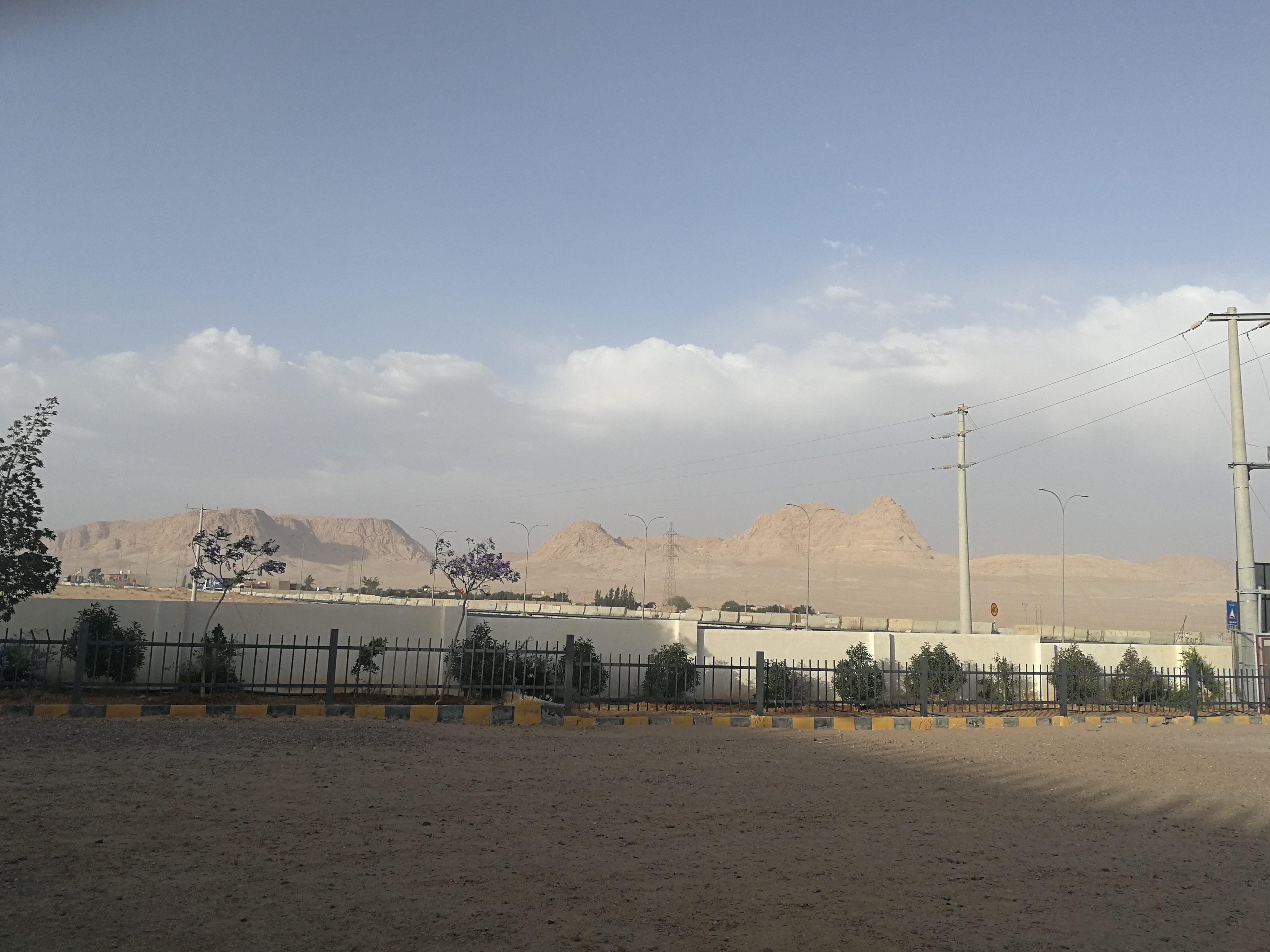
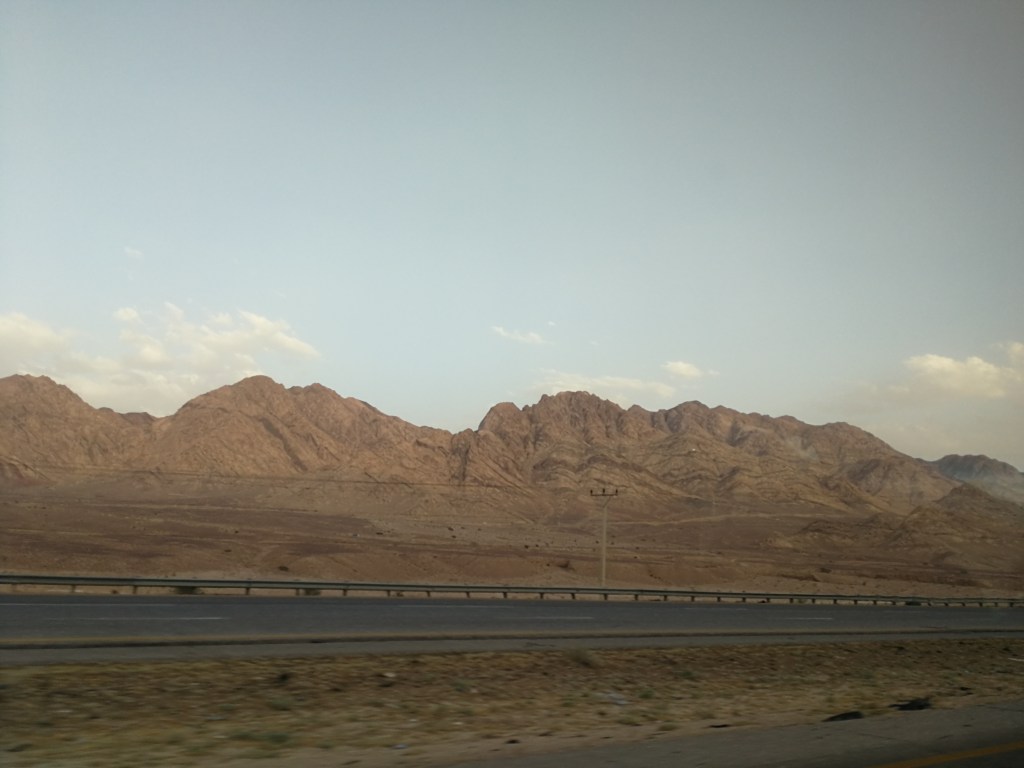
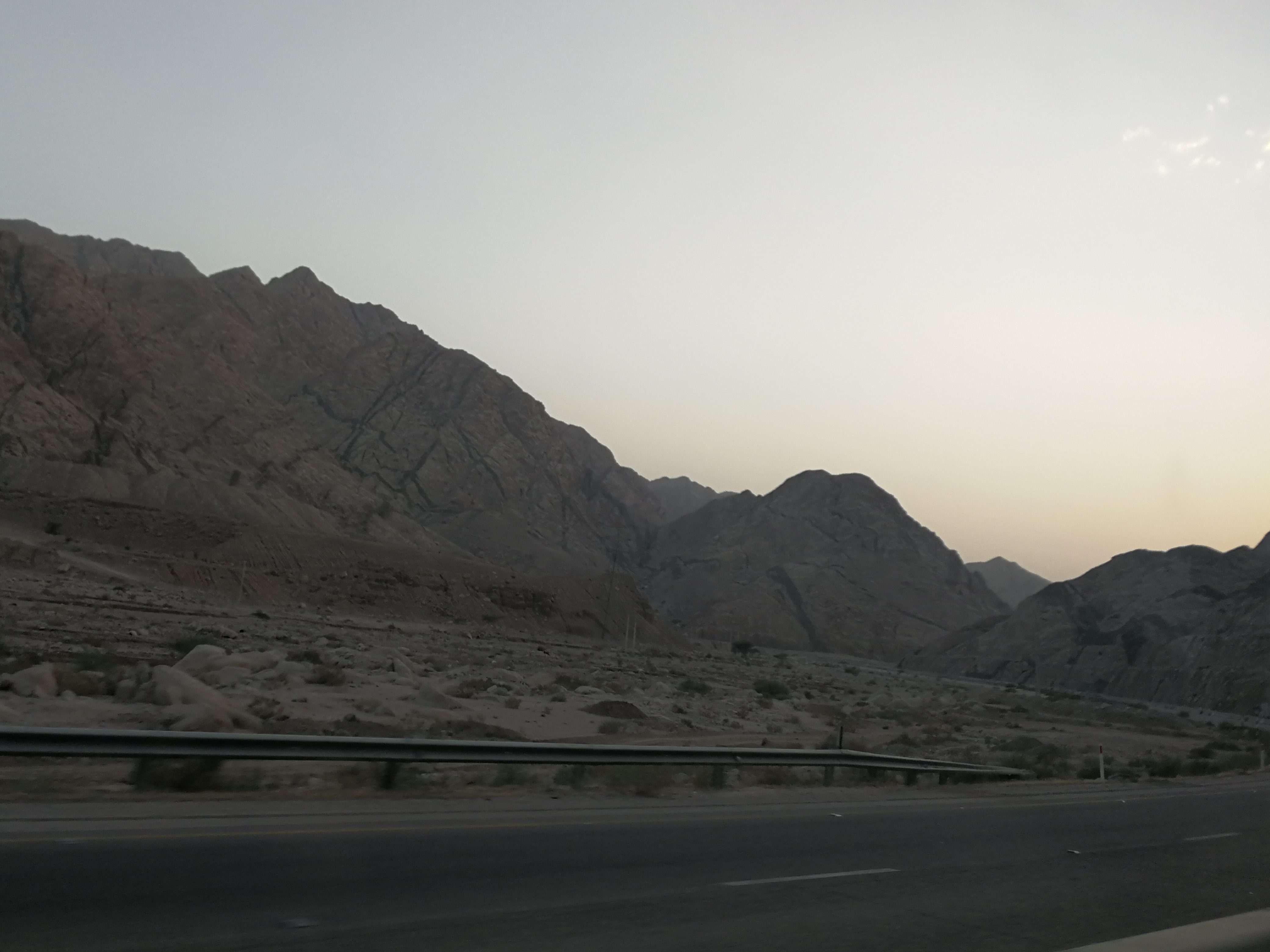
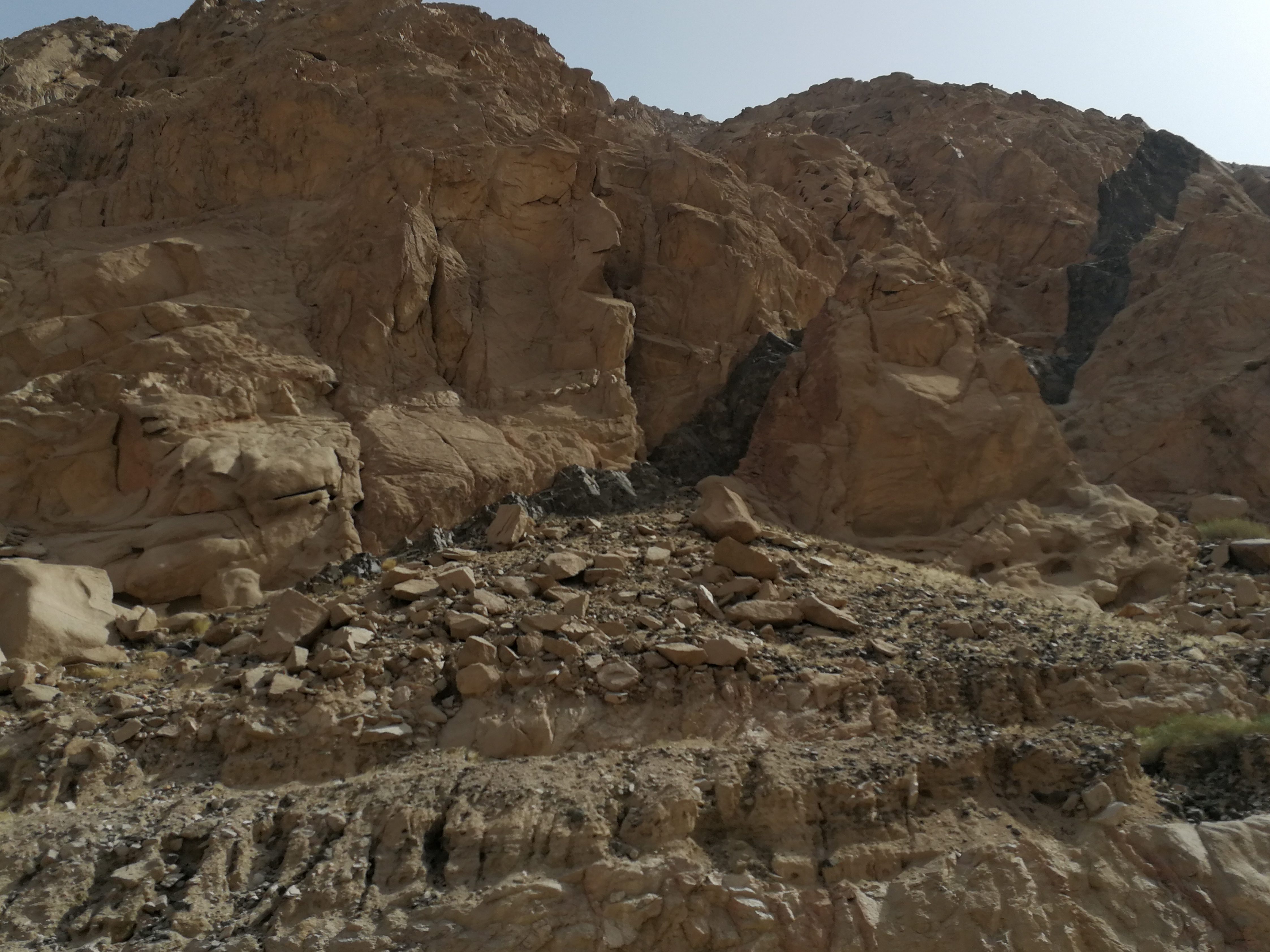
The drive from Madaba to Aqaba provides impressive scenery. The geological surroundings change, and the mountains get that red “sunburnt” glaze the more south one goes.
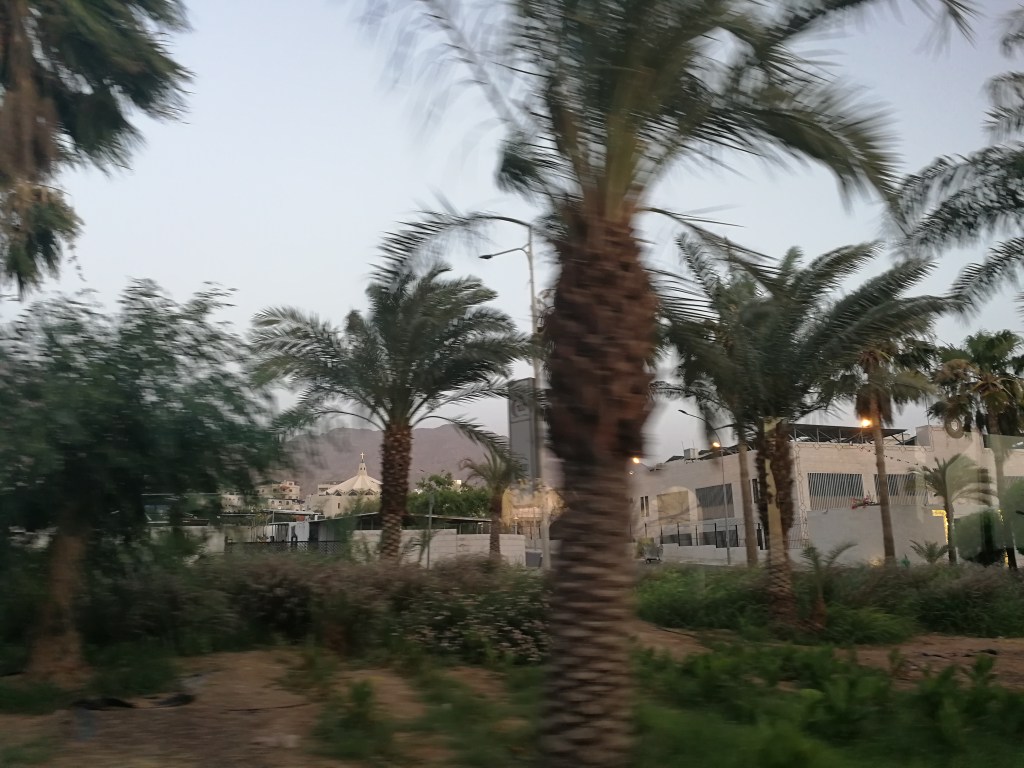
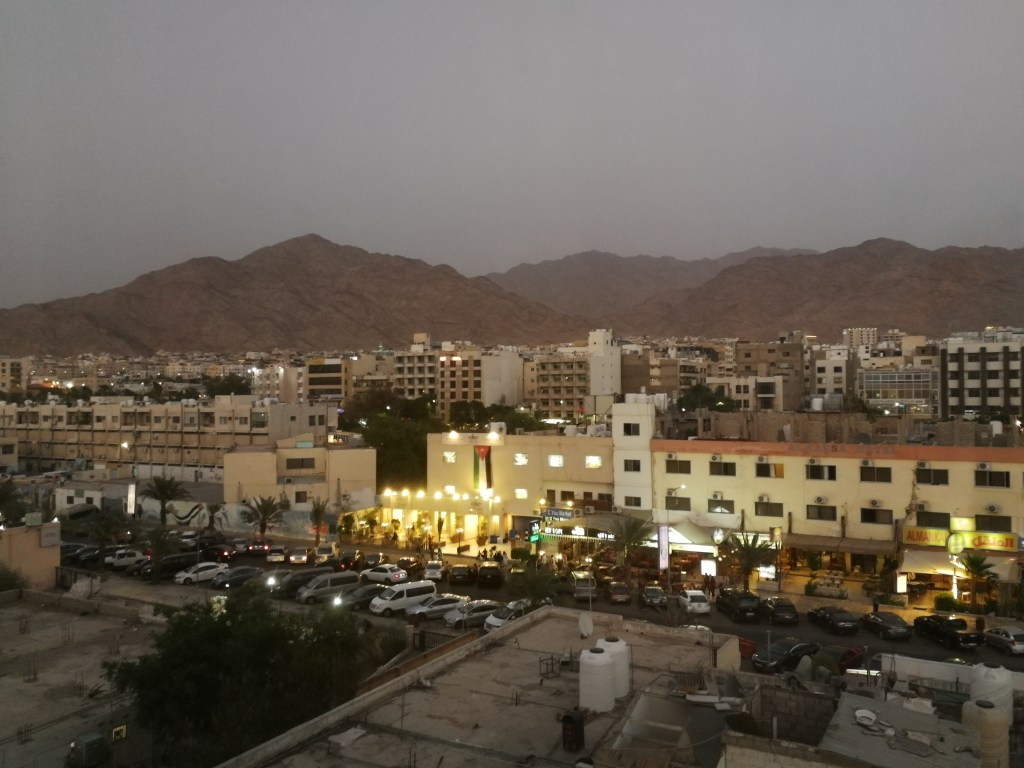
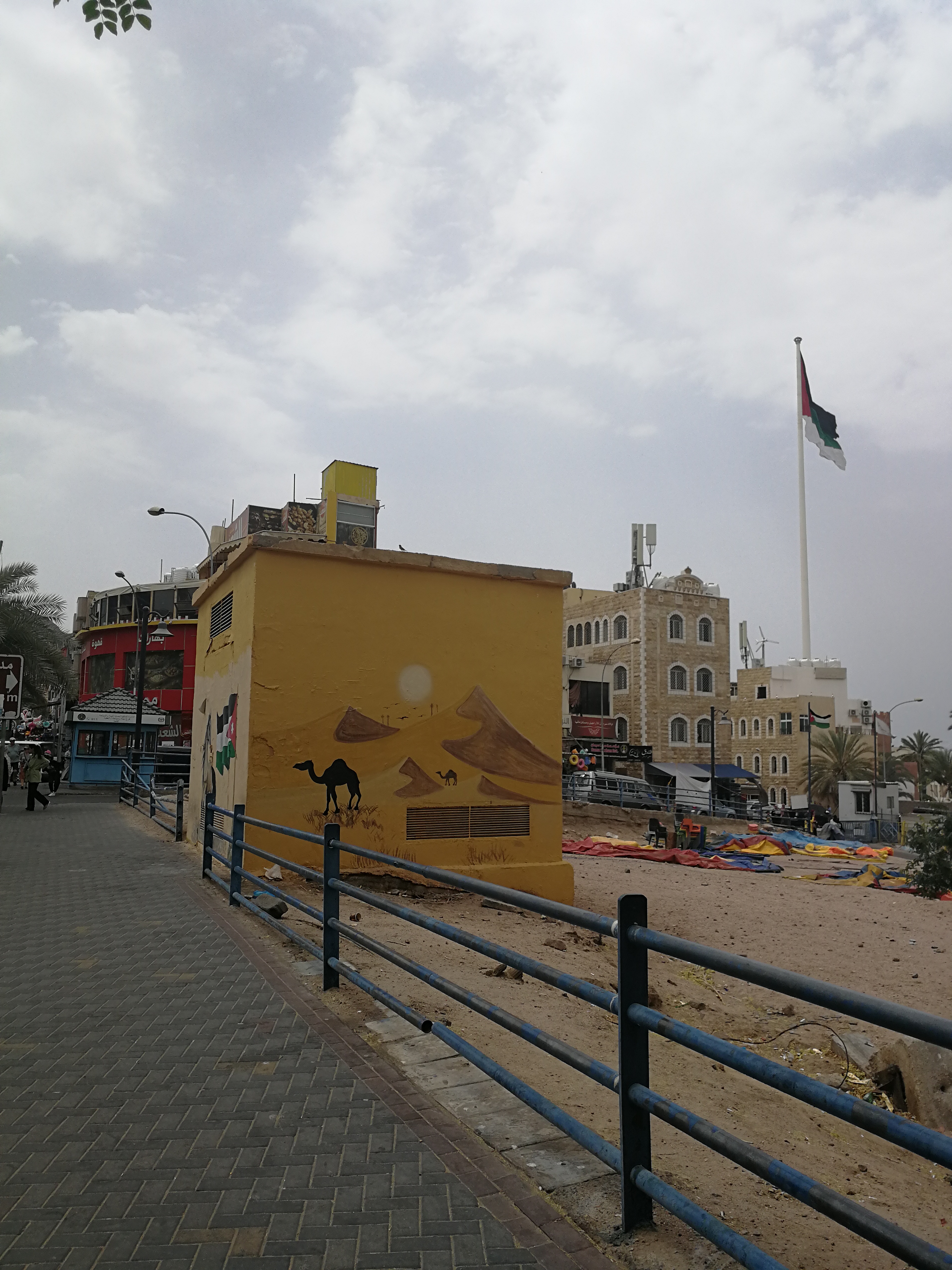
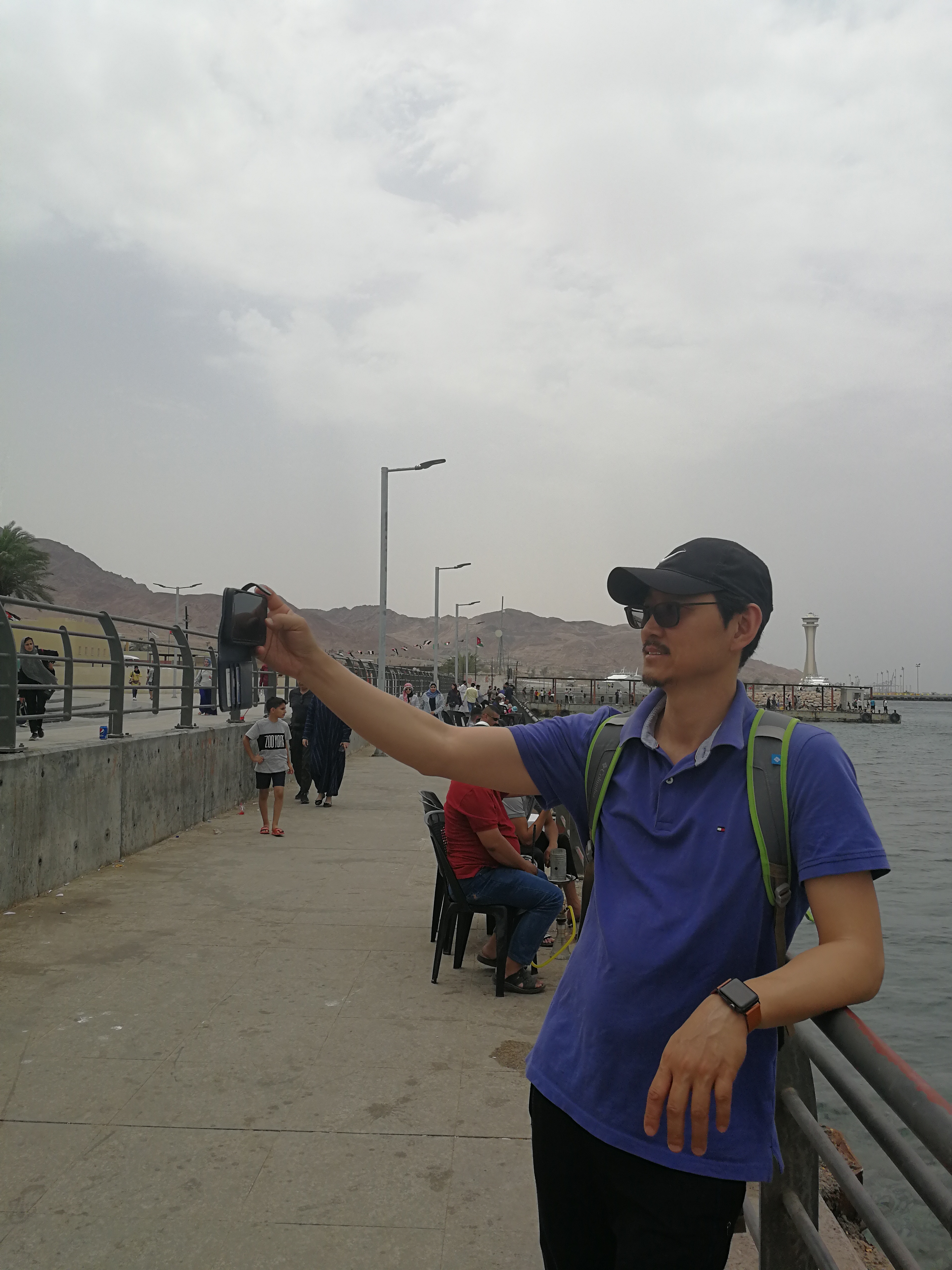
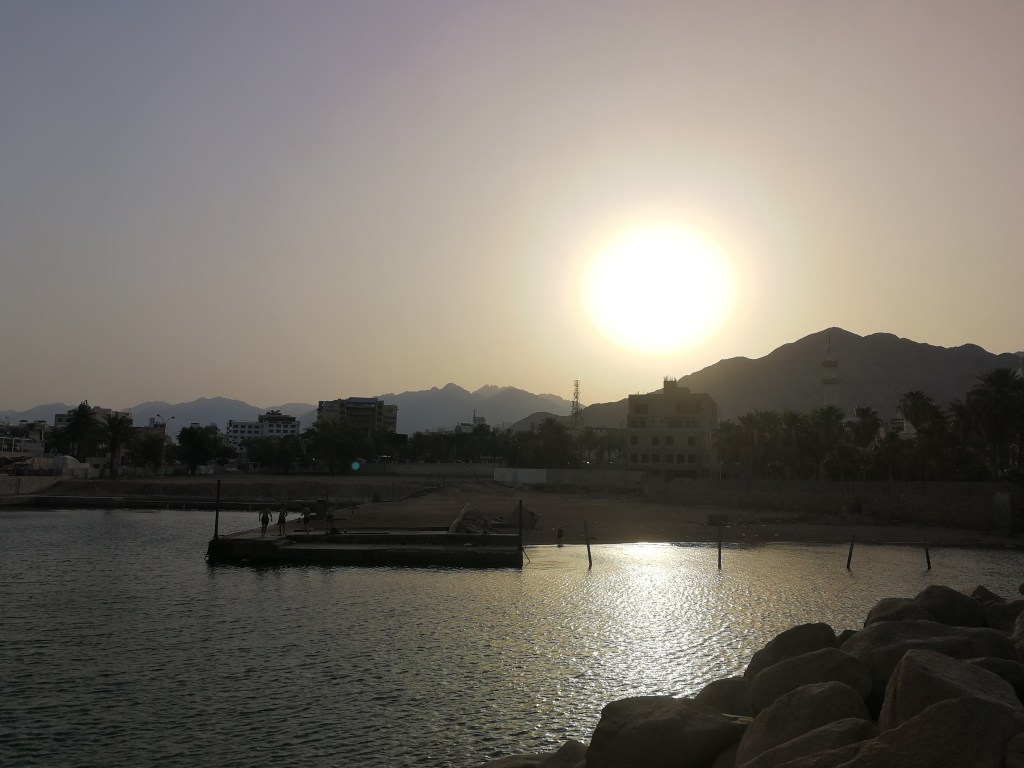
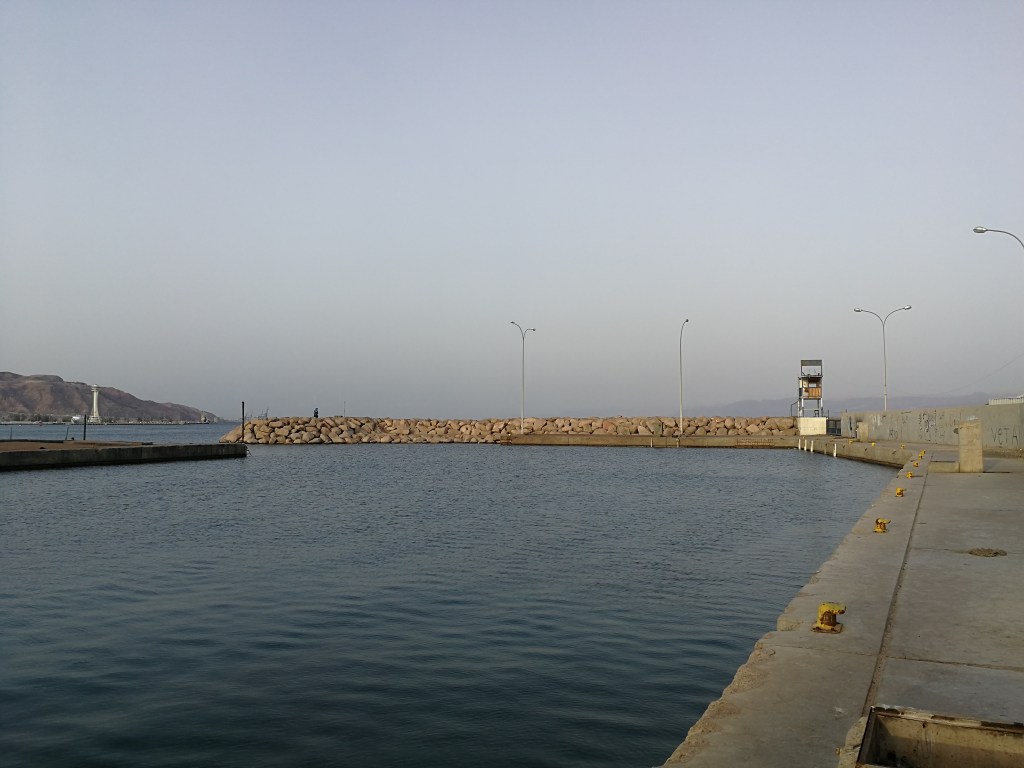
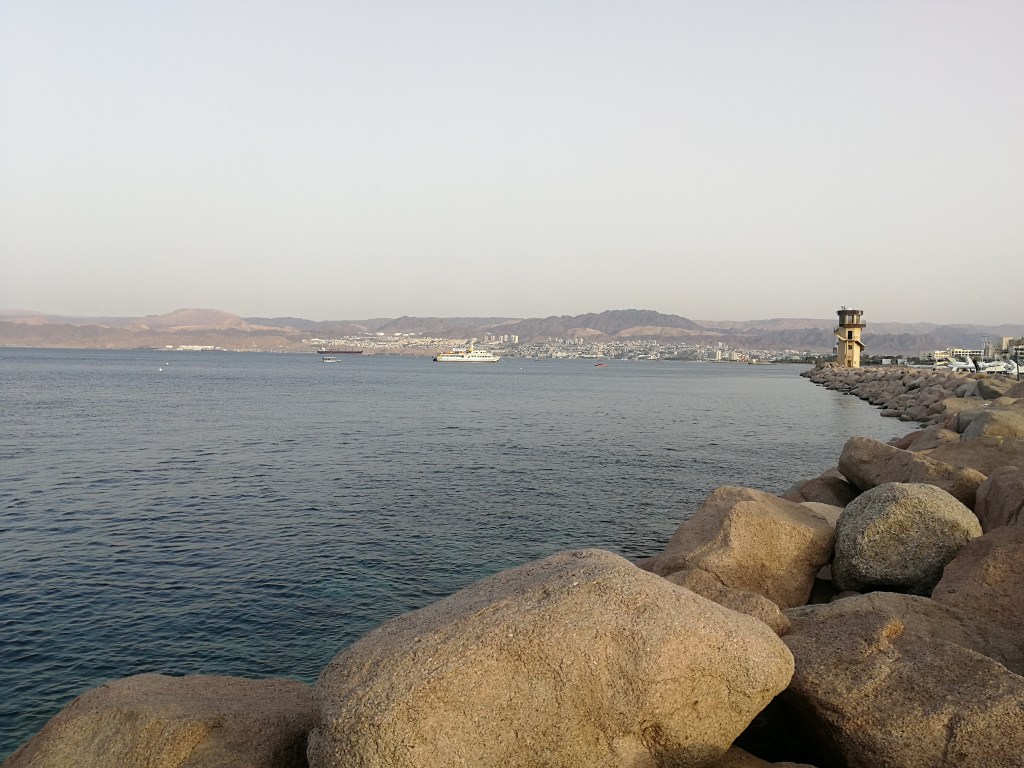
Aqaba is a port city located in the southernmost part of Jordan, along the northeastern coast of the Red Sea.
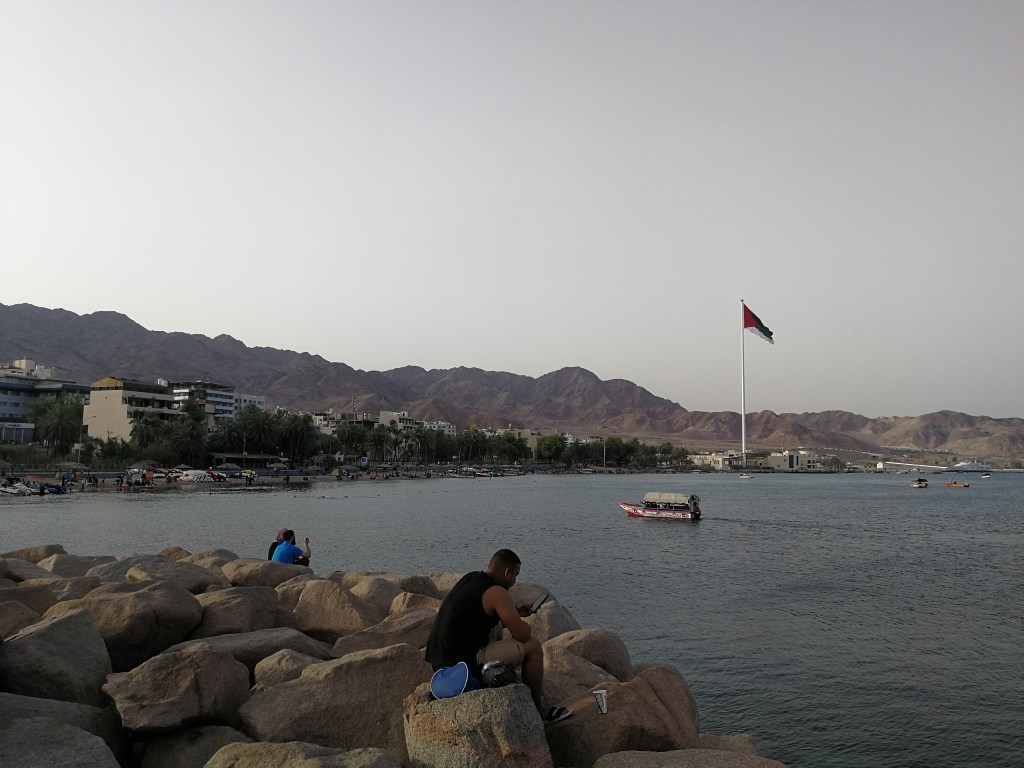
Aqaba’s history can be traced back to ancient times, with evidence of human habitation dating back to the 4th millennium BC.
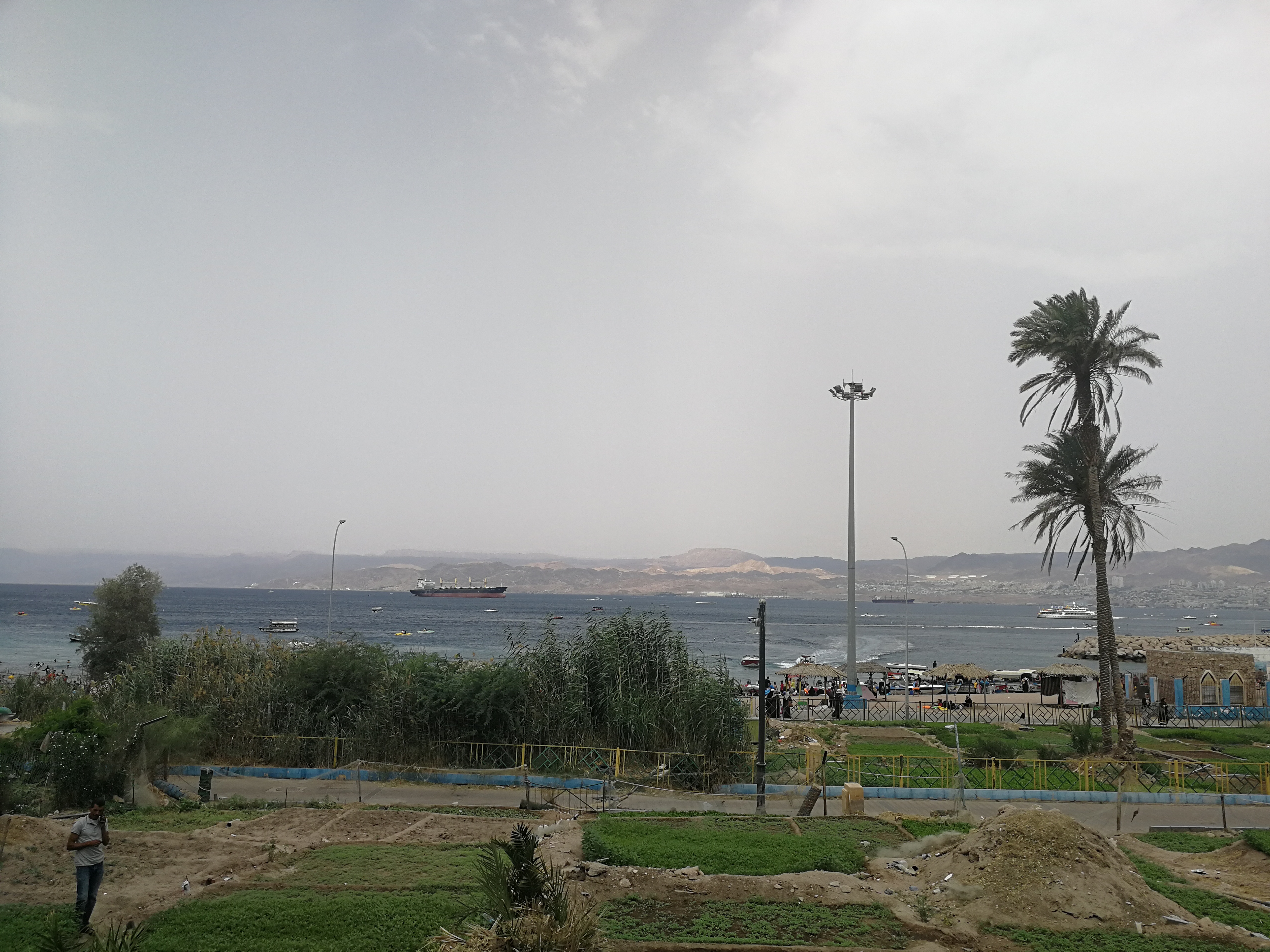
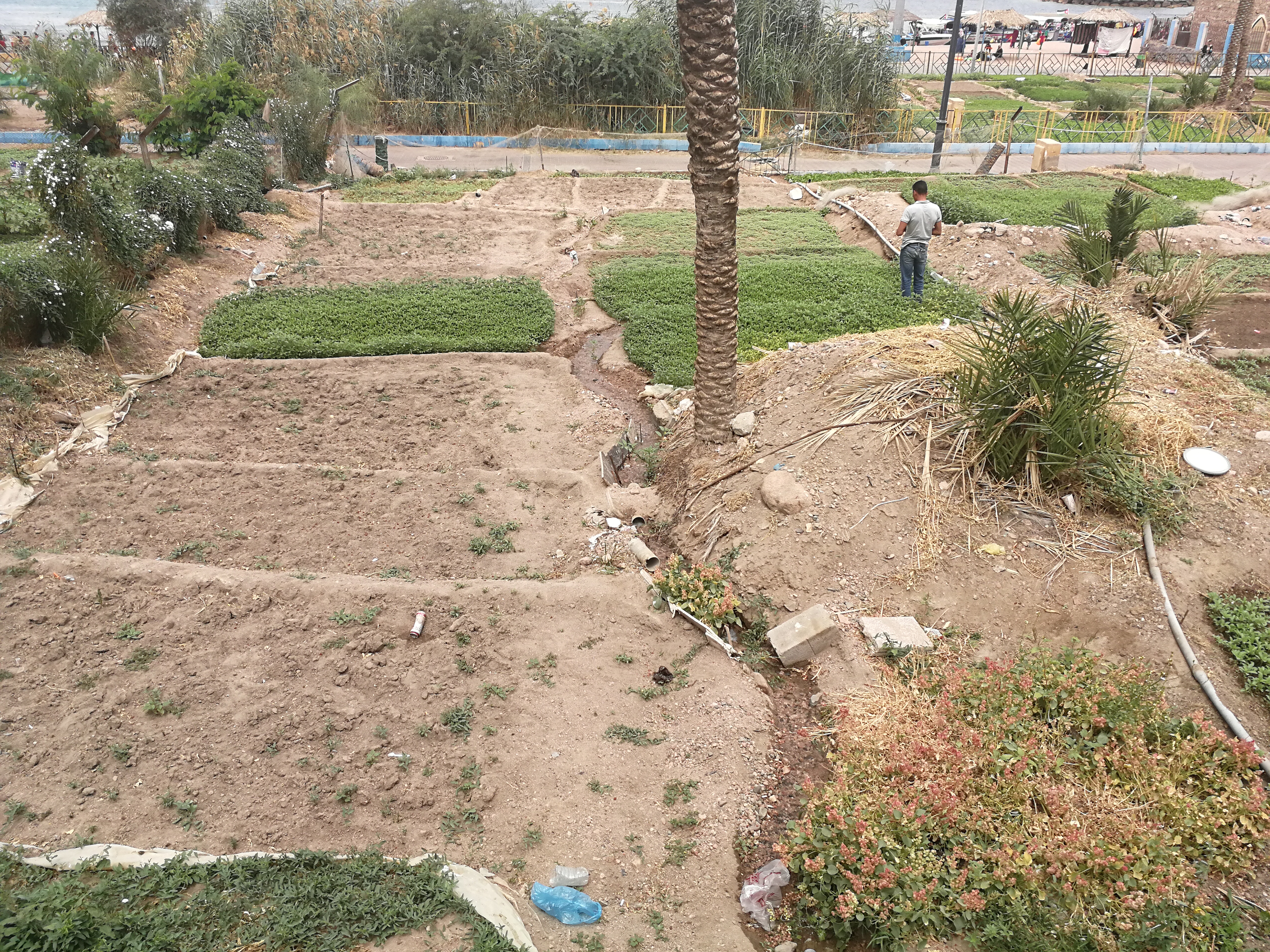
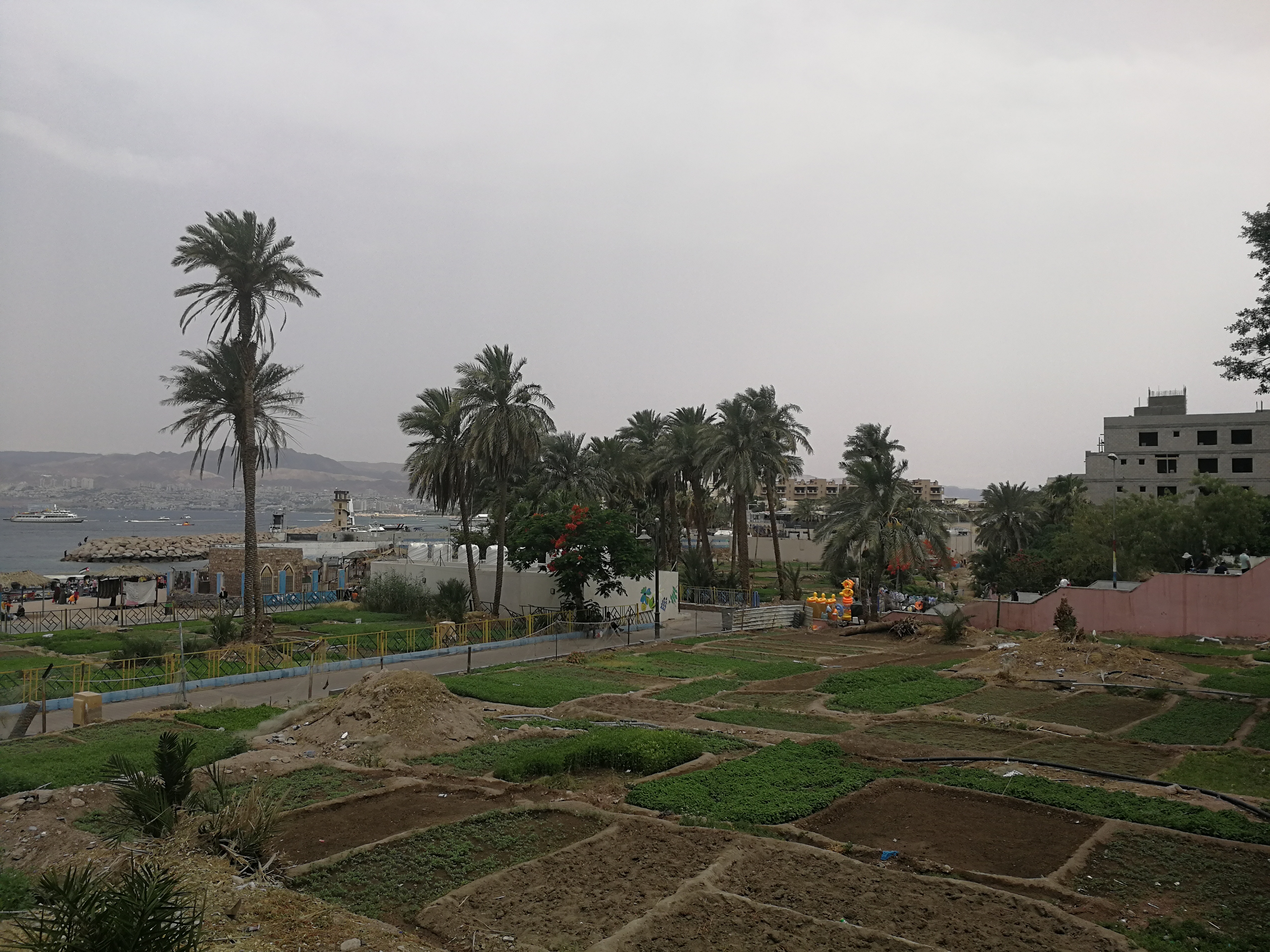
The city was a key trading post along the Incense Route, an ancient trade network connecting the Arabian Peninsula to the Mediterranean world.
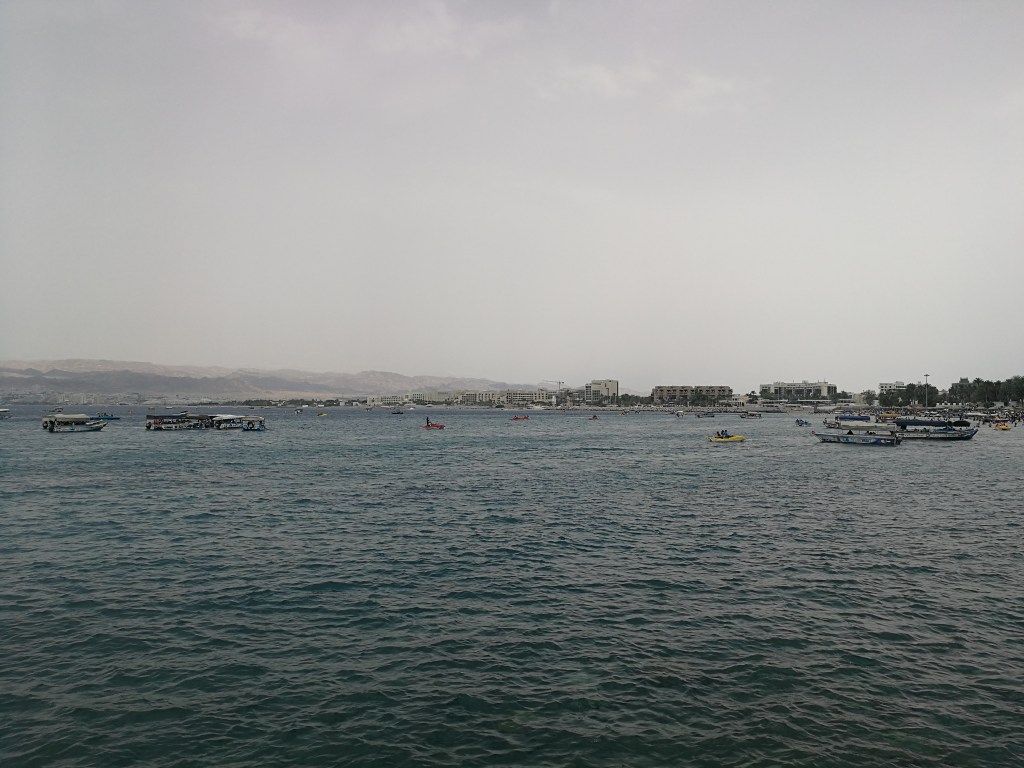
During the Nabatean era, Aqaba served as a significant maritime outpost for the thriving Arab civilisation that spanned from the 4th century BC to the 1st century CE. The Nabateans were renowned merchants and skilled navigators, and they controlled the lucrative spice and incense trade routes, with Aqaba playing a pivotal role in facilitating their trade activities.
Subsequently, during Roman rule in the 1st century CE, Aqaba’s importance as a strategic port remained intact after the annexation of the Nabatean Kingdom. The Romans further developed and fortified the city, recognizing its strategic value as a key maritime center.
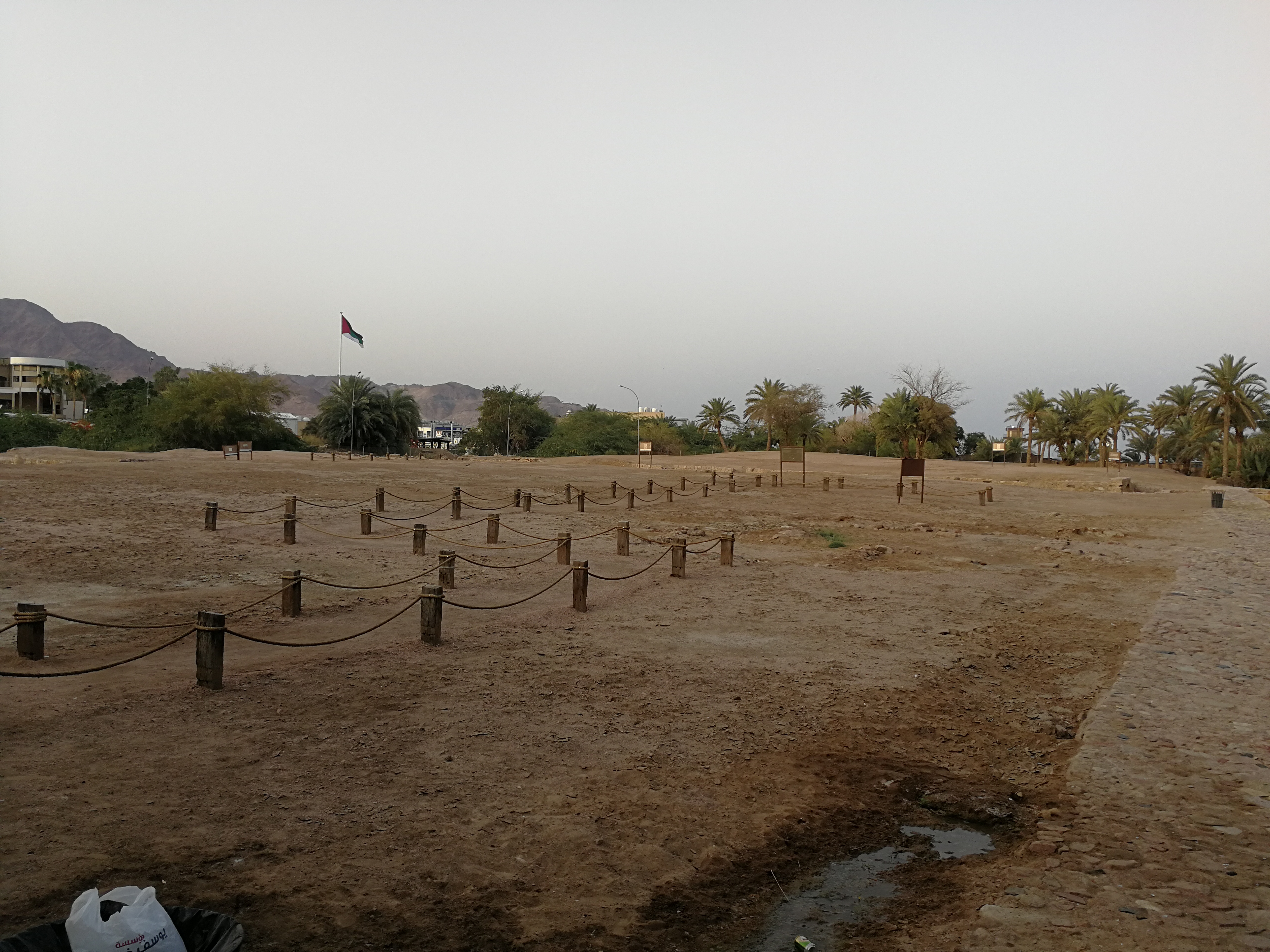
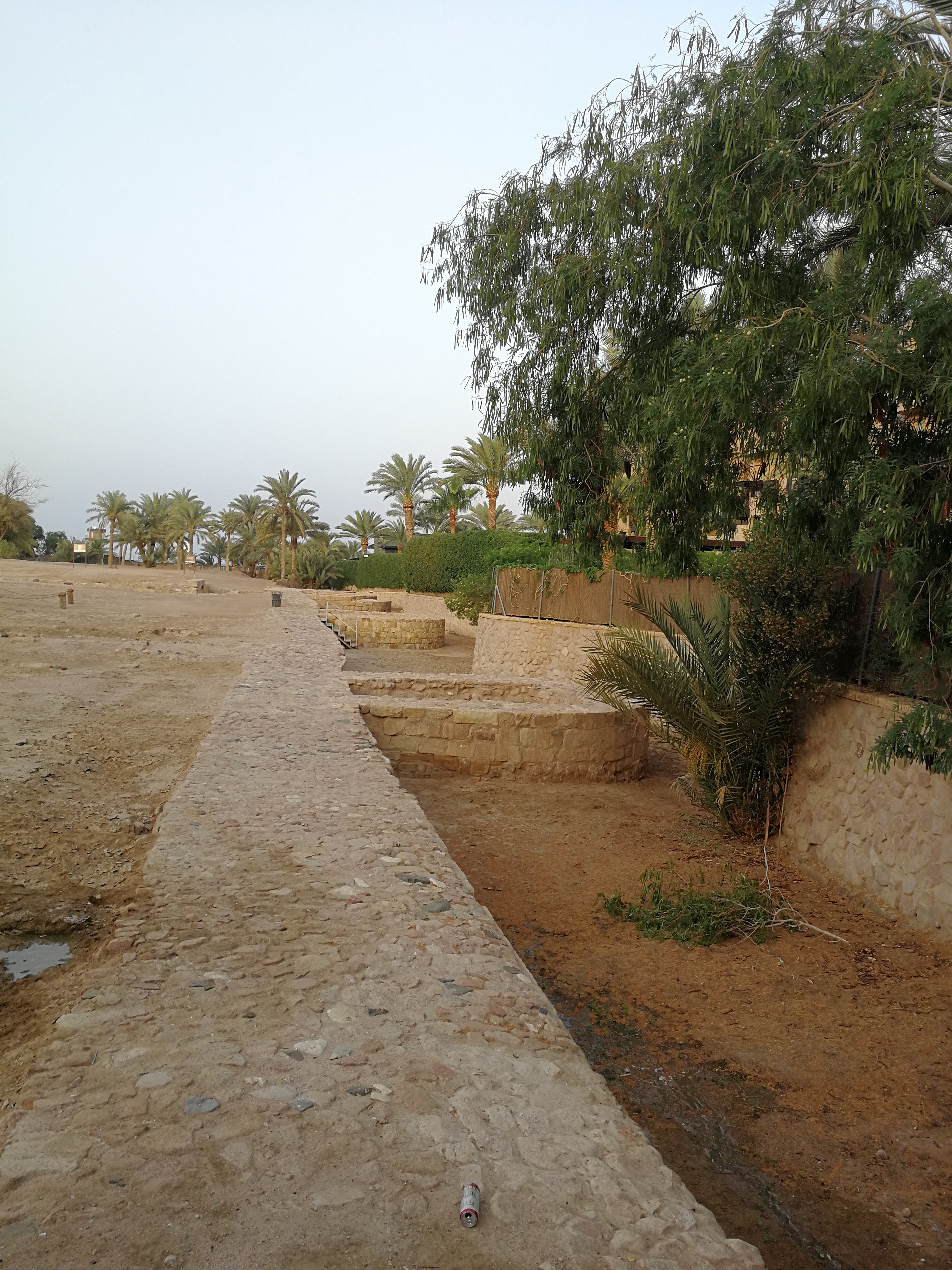
With the rise of Islam in the 7th century CE, Aqaba came under the control of various Muslim dynasties, including the Rashidun Caliphate, the Umayyad Caliphate, and the Abbasid Caliphate. The city’s significance as a trade hub continued to grow during this period. Aqaba changed hands several times between the Crusaders and the Mamluks in the 12th and 13th centuries. Both sides recognized its strategic importance as a gateway to the Holy Land. In the early 16th century, Aqaba became part of the Ottoman Empire. During this period, the city saw some decline in trade due to shifts in trade routes, but it still remained significant as a regional administrative center.
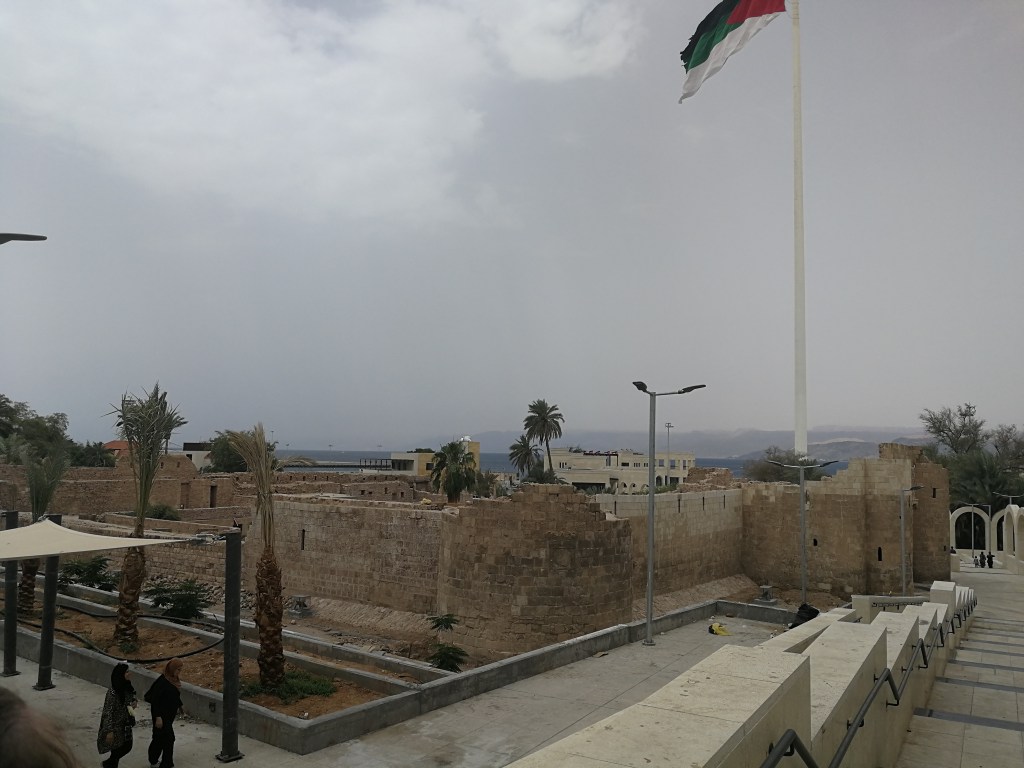
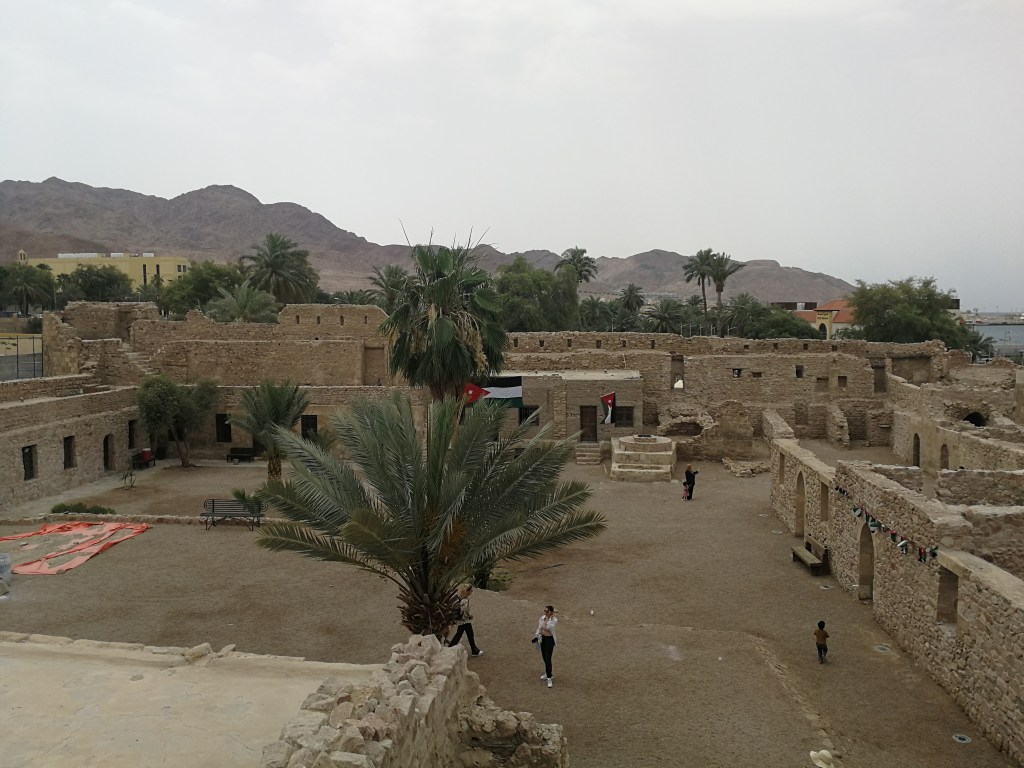
Perhaps the most renowned episode involving T.E. Lawrence is the Siege of Aqaba in 1917. Lawrence managed to persuade Arab chiefs to carry out a daring assault on the seaport of Aqaba, at that time under the dominion of the Ottomans. The audacious element of the strategy lay in the choice to attack overland, traversing the desert rather than from the sea where heavy defences were in place. This tactic shocked the Ottomans as they had presumed the desert route was impassable. The triumph of the Arab troops, comprised mainly of irregular tribal forces, in taking Aqaba signified a pivotal shift in the Arab Revolt. This victory enabled a logistics line from the British via the Red Sea for the Arab forces and validated them as a formidable opponent to the Ottoman Empire. Additionally, it served as a significant morale boost and a crucial victory in public relations that amplified further backing for the Arab cause from the Allies. The Siege of Aqaba is perhaps most recognised through its portrayal in the 1962 movie “Lawrence of Arabia”. The film’s depiction of the siege, albeit not entirely accurate to history, successfully conveys the boldness and significance of the event. The victorious onslaught on Aqaba significantly augmented Lawrence’s standing within the ranks of both the Arab forces and his British superiors, cementing his role as an essential figure in the Arab Revolt.
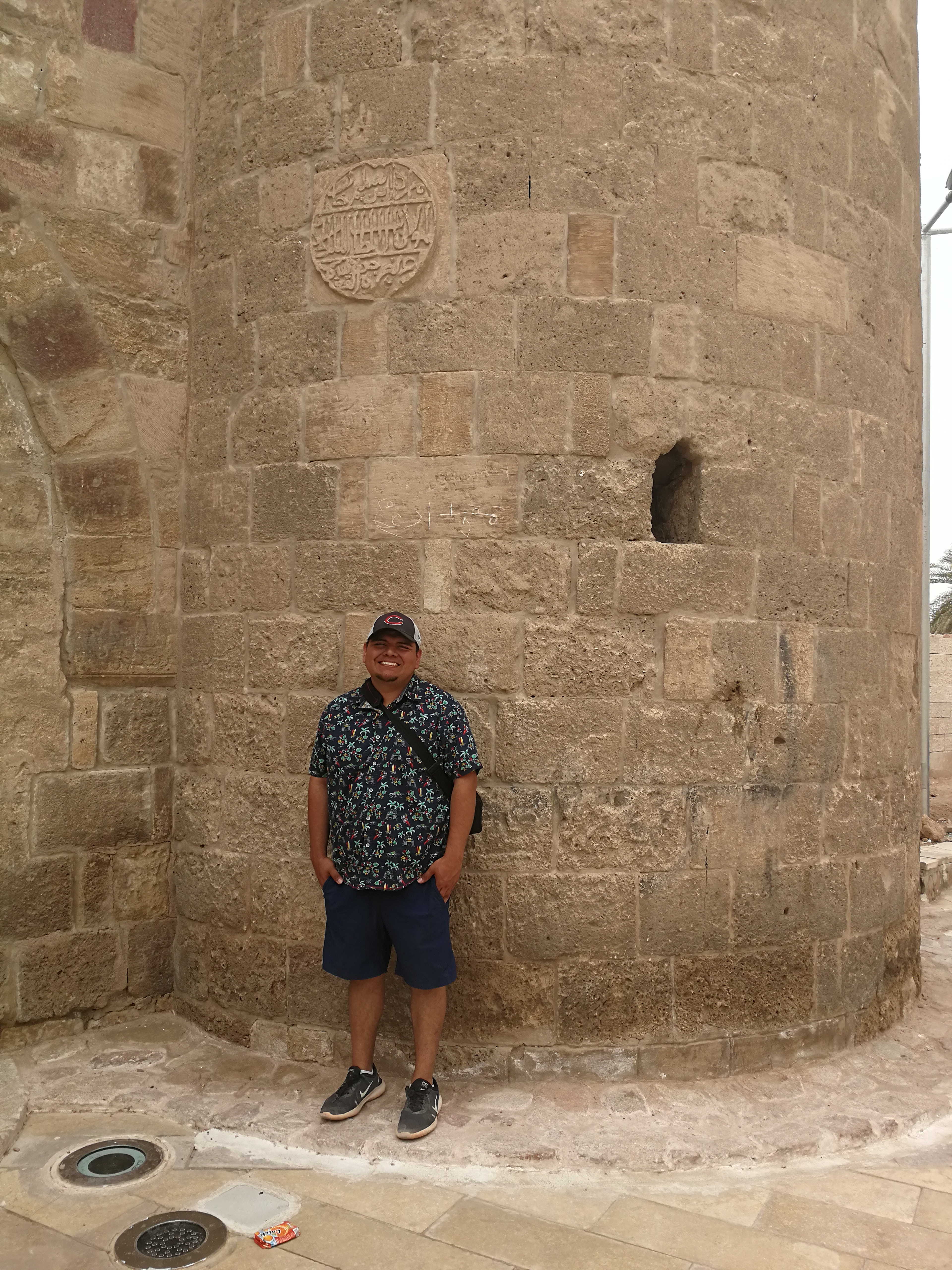
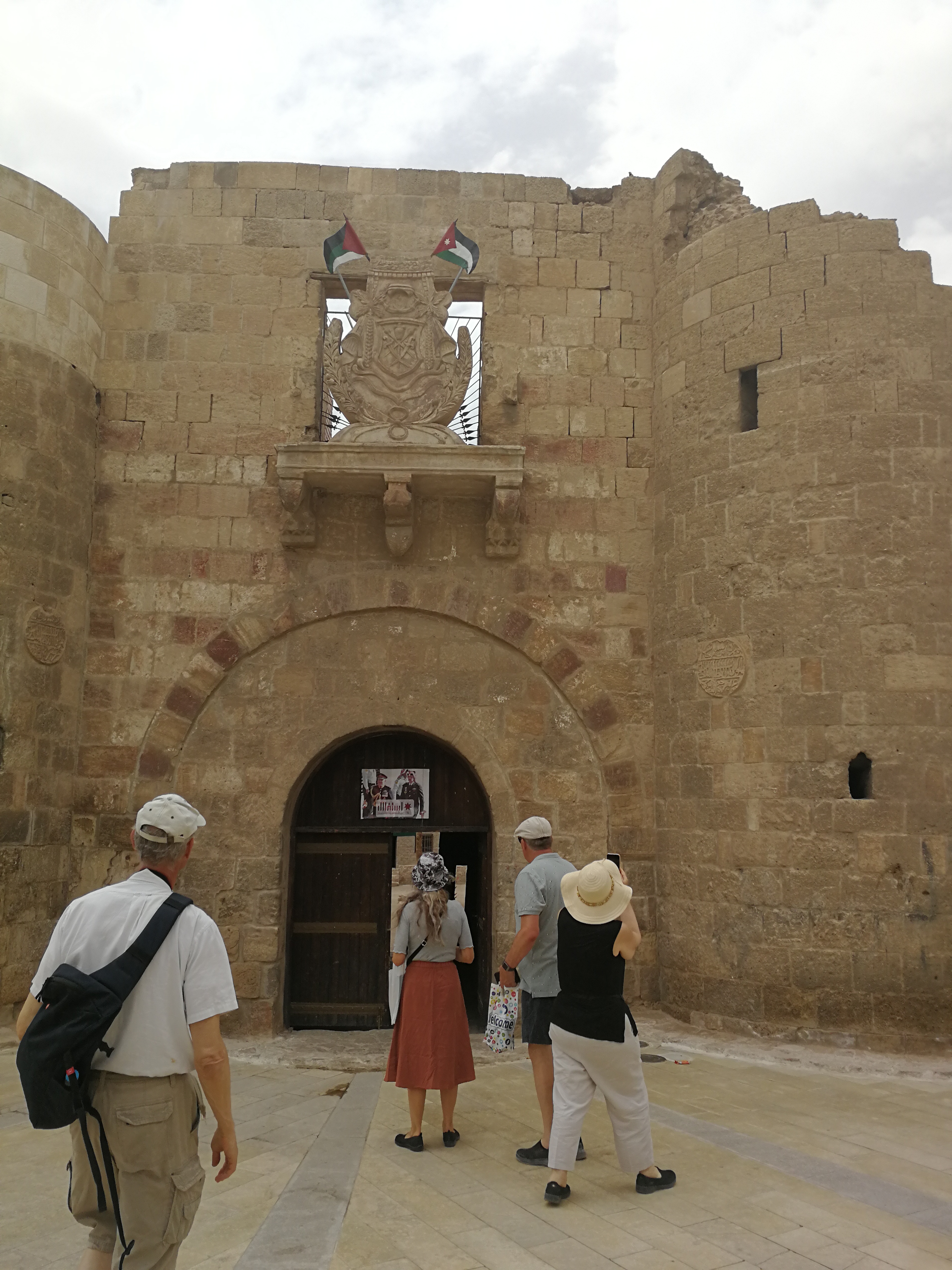
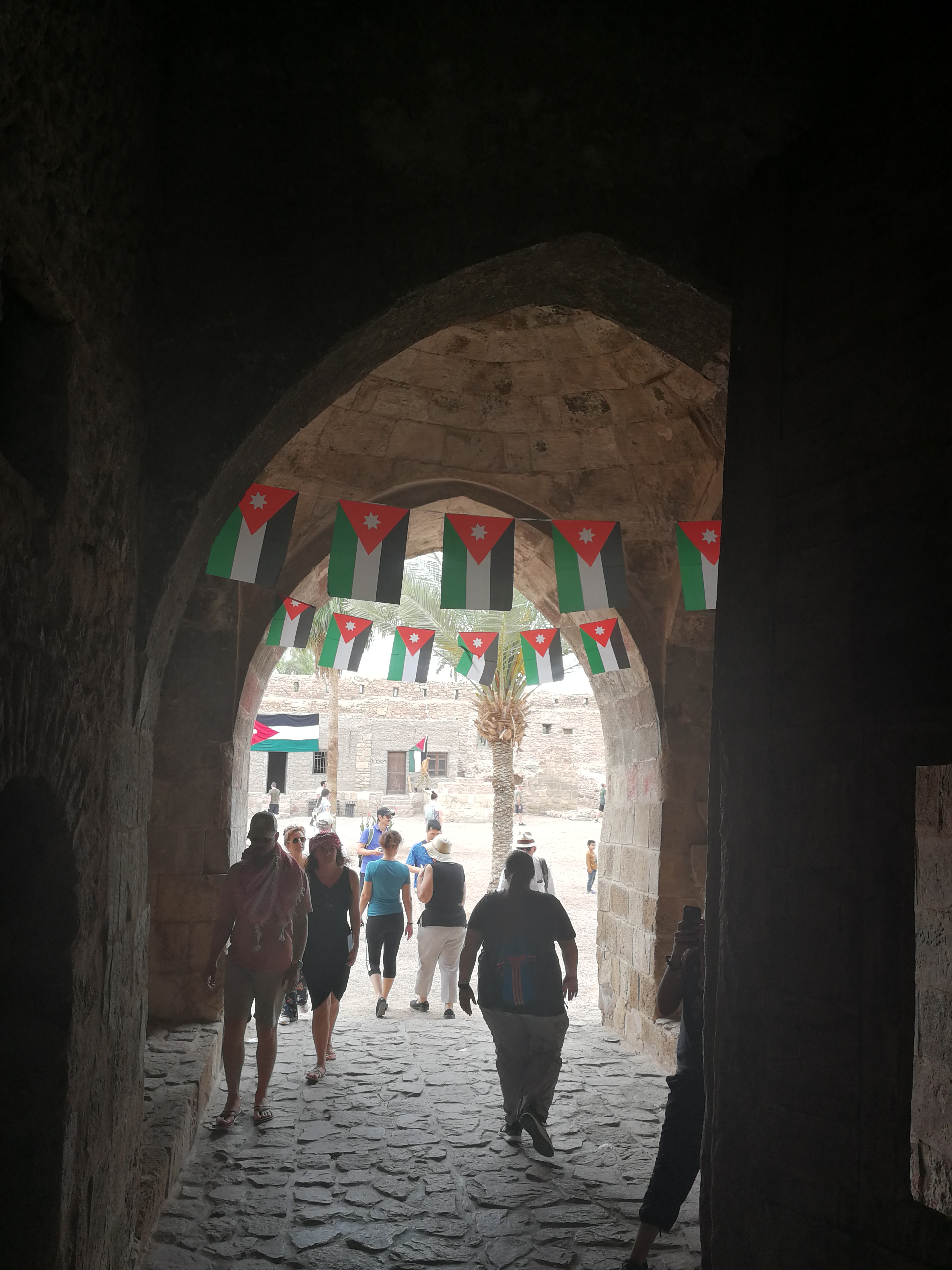
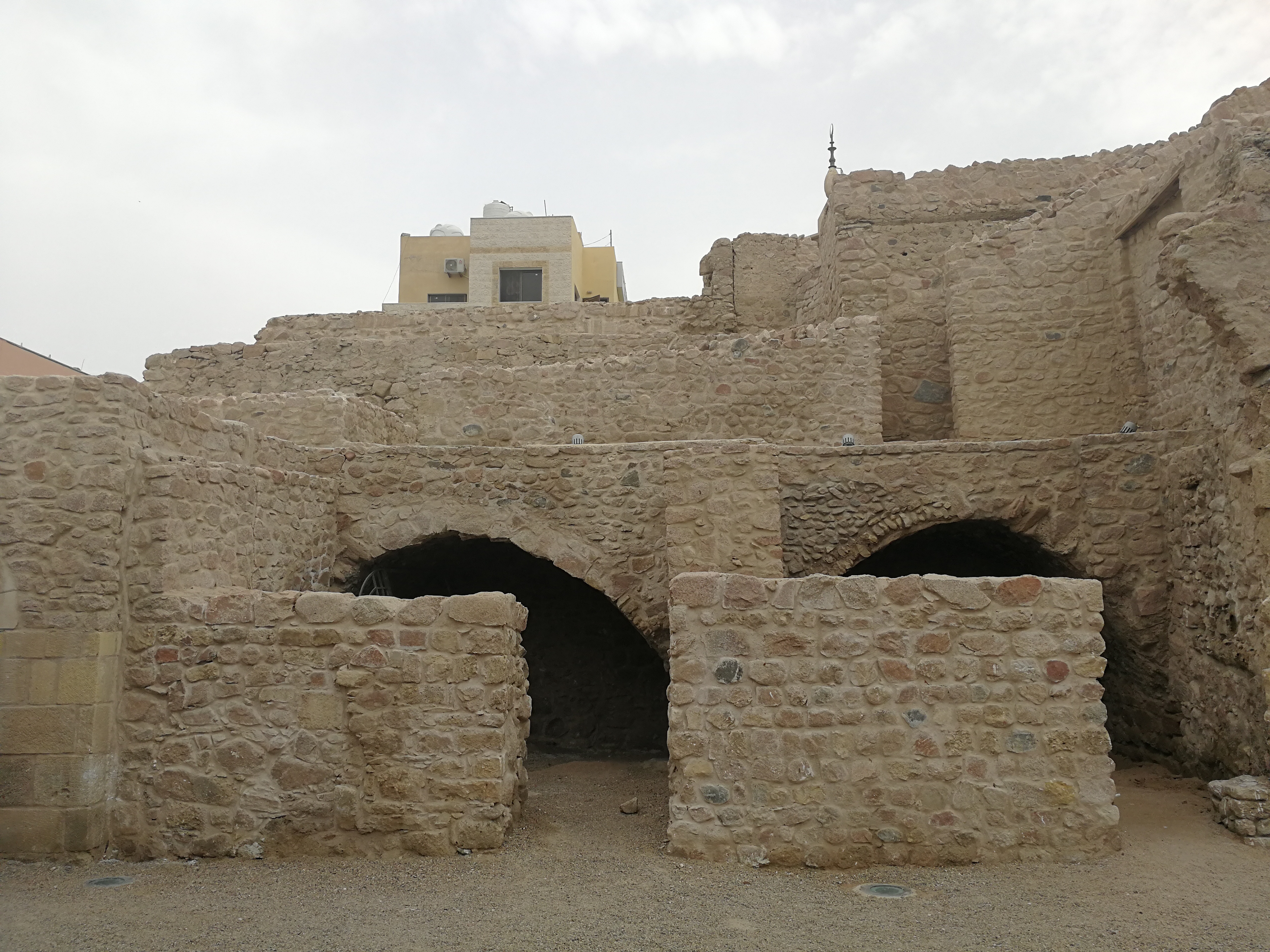

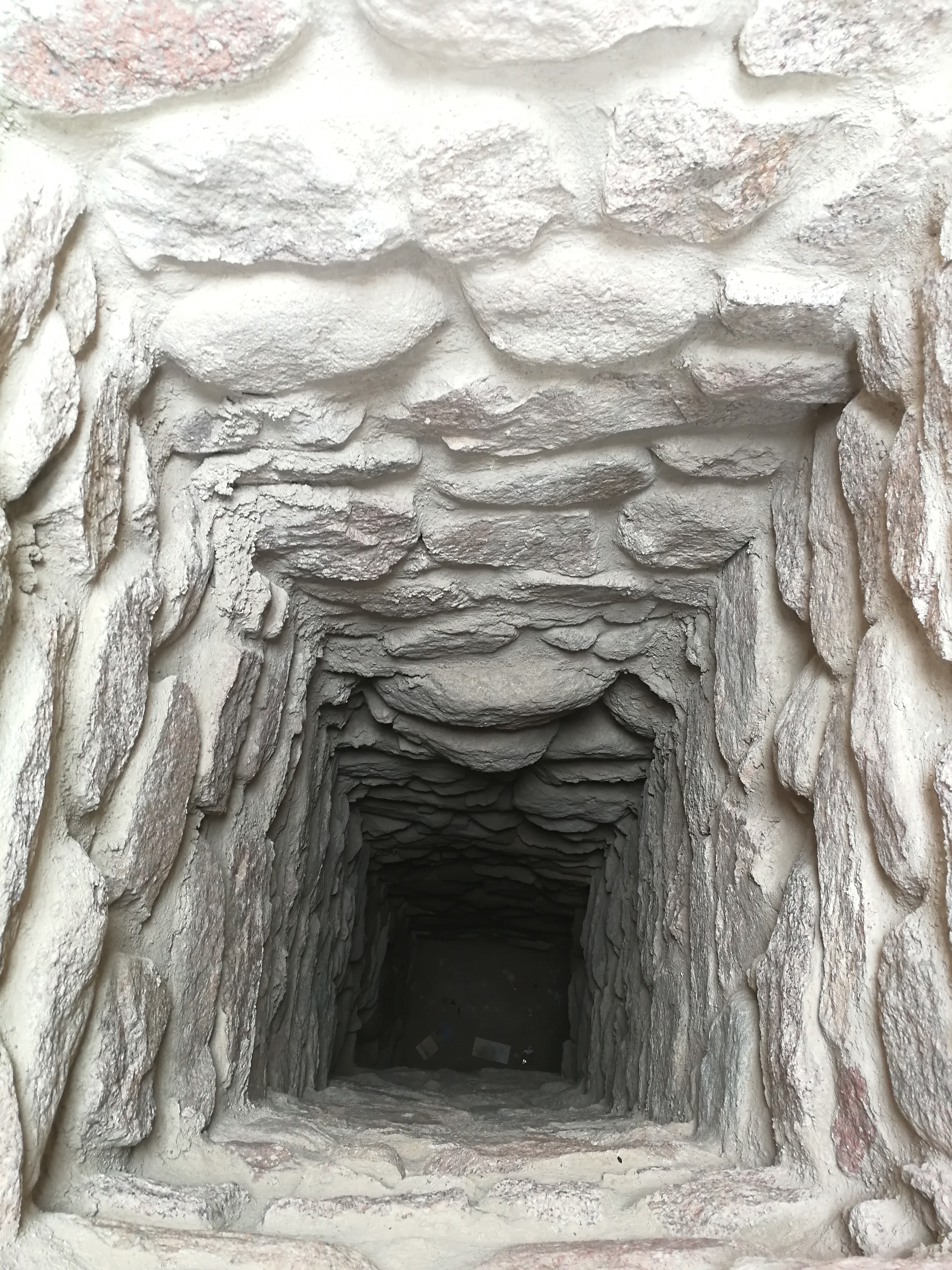
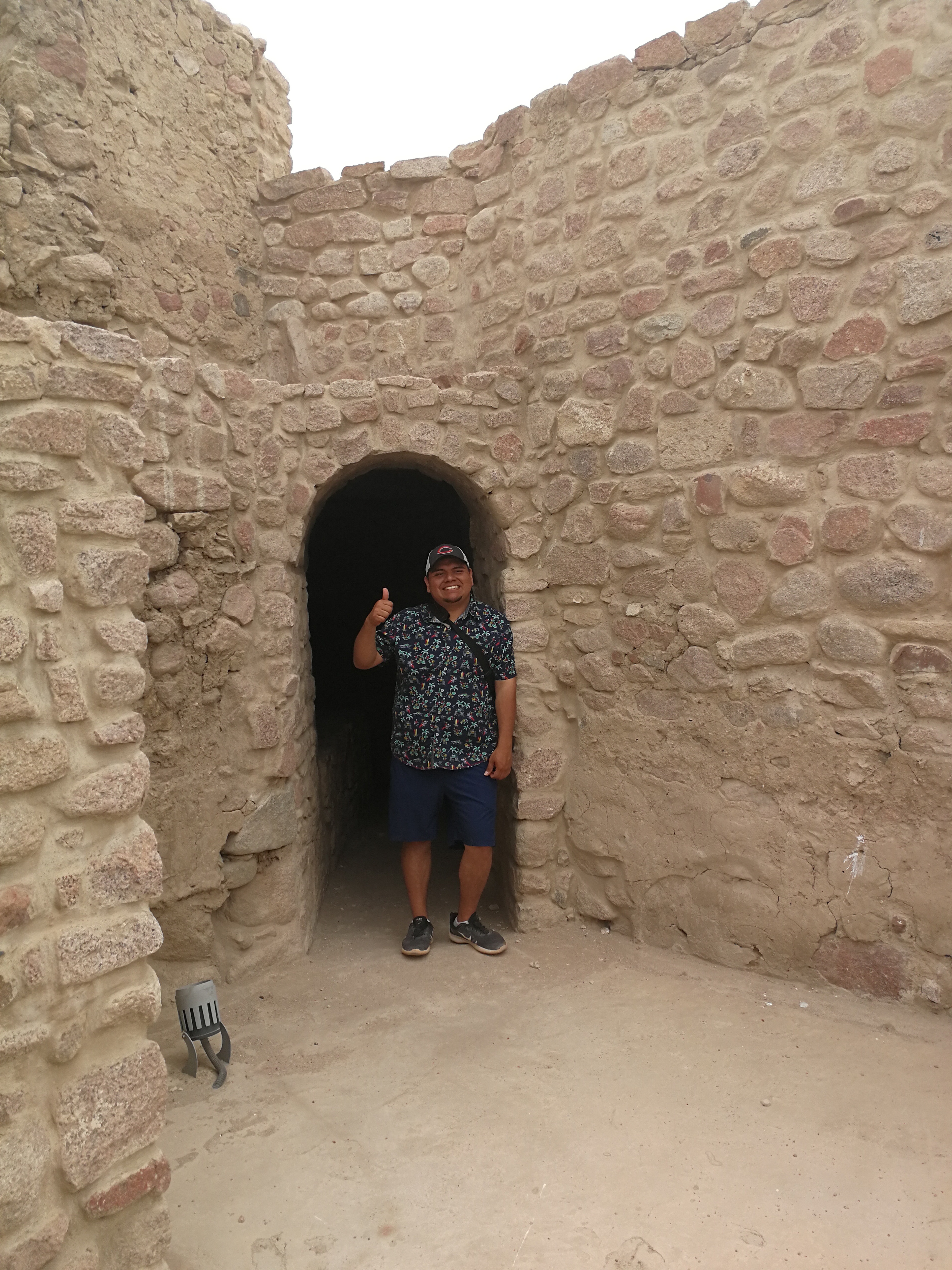
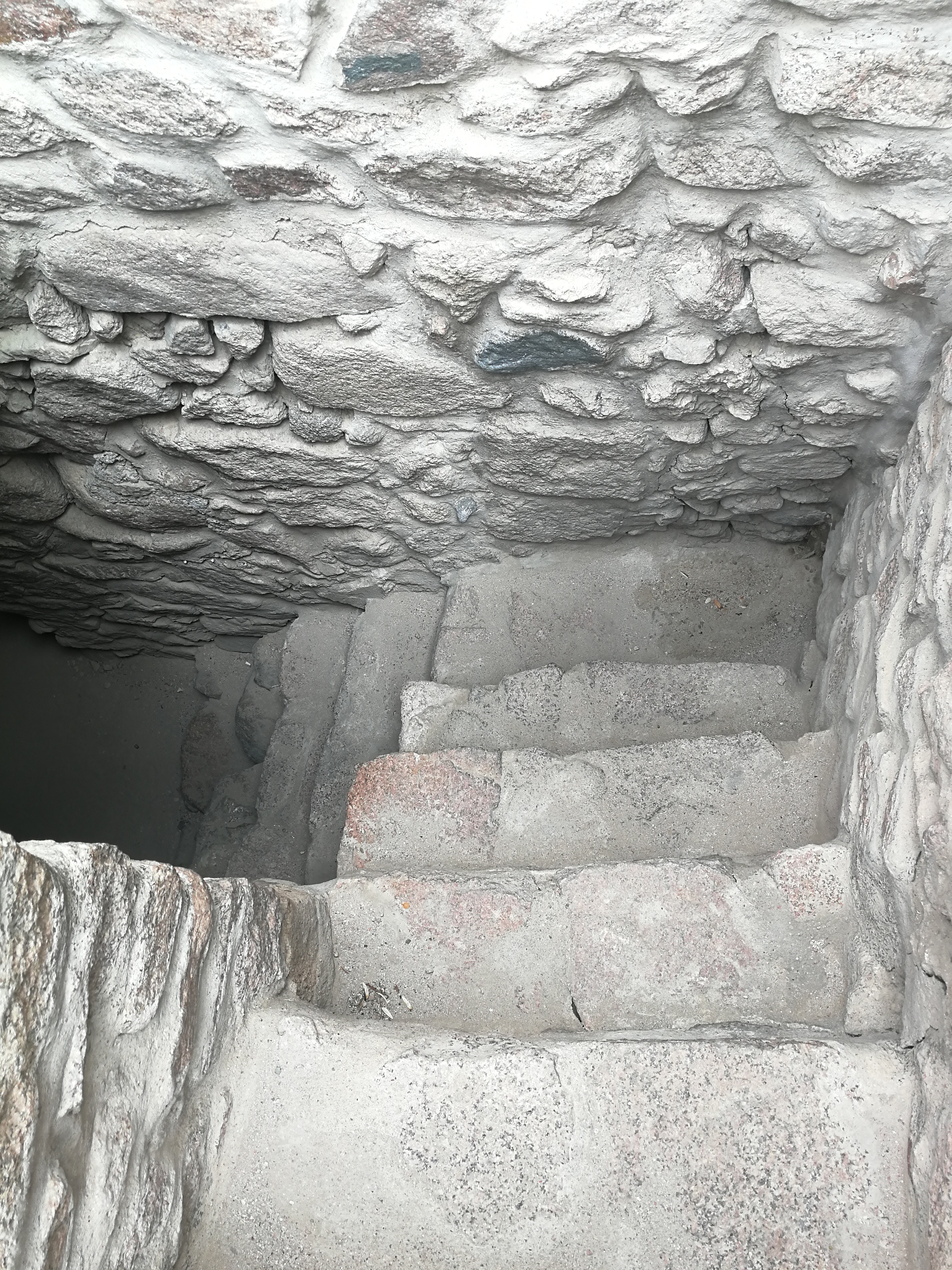
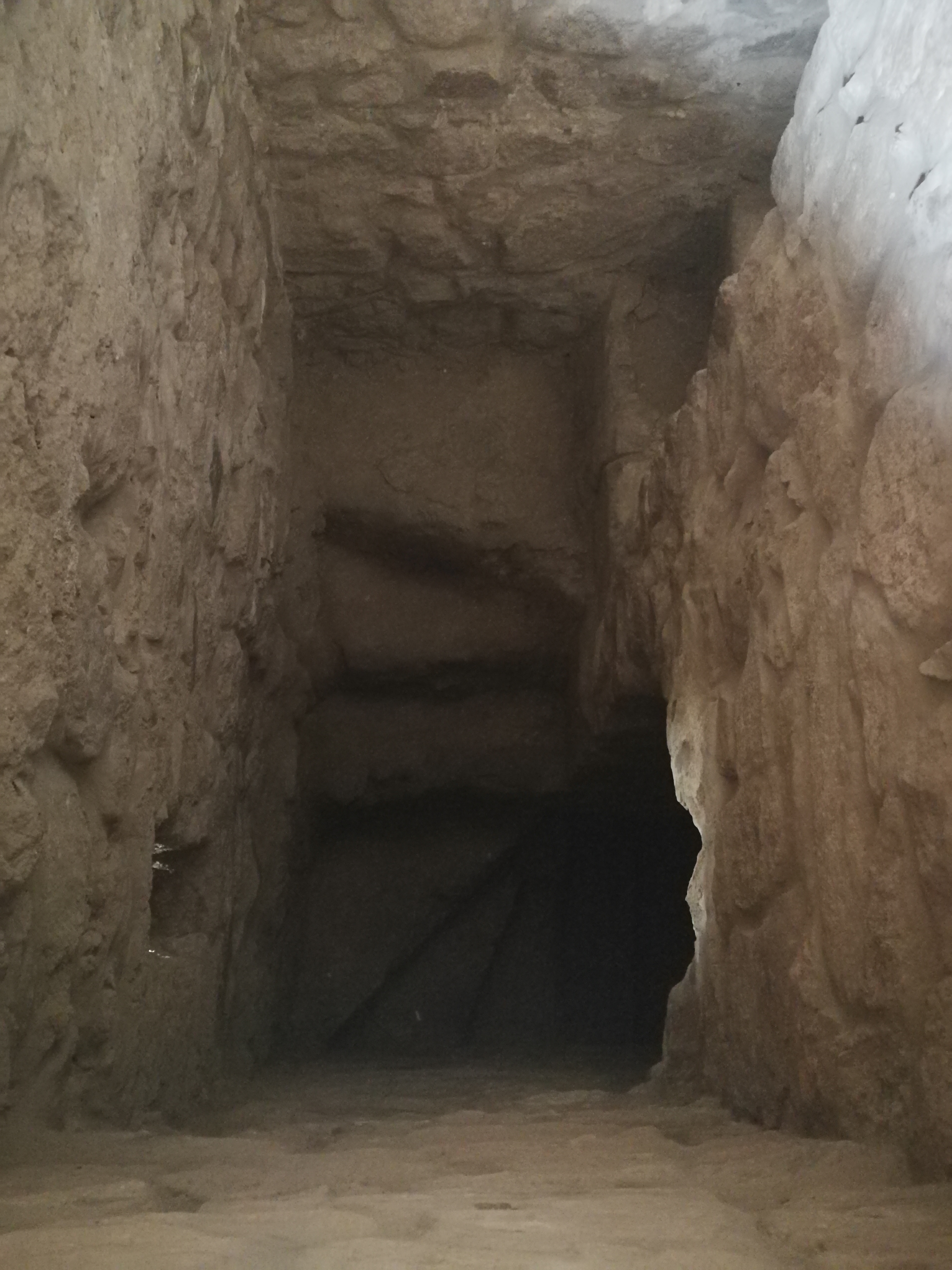
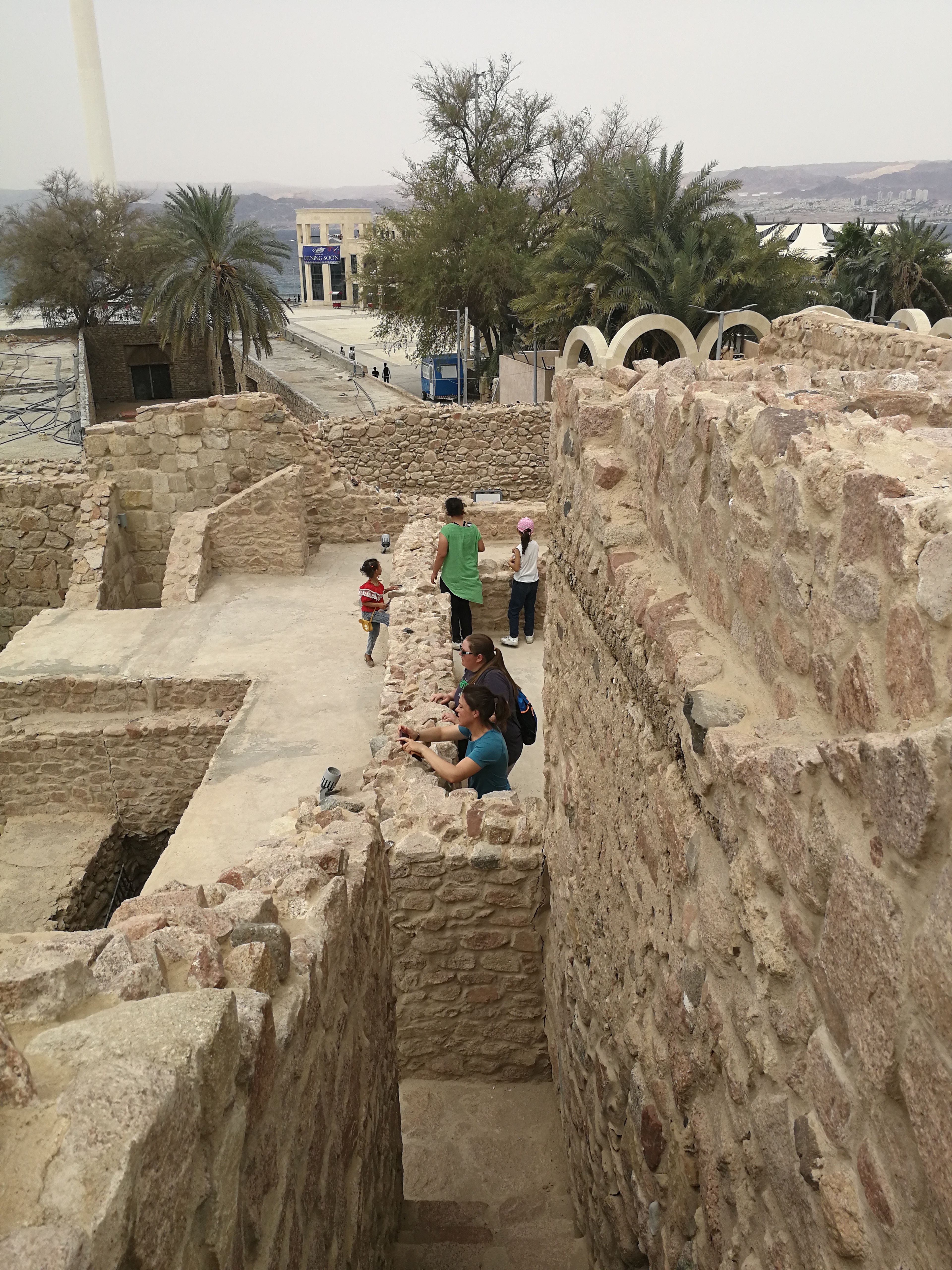
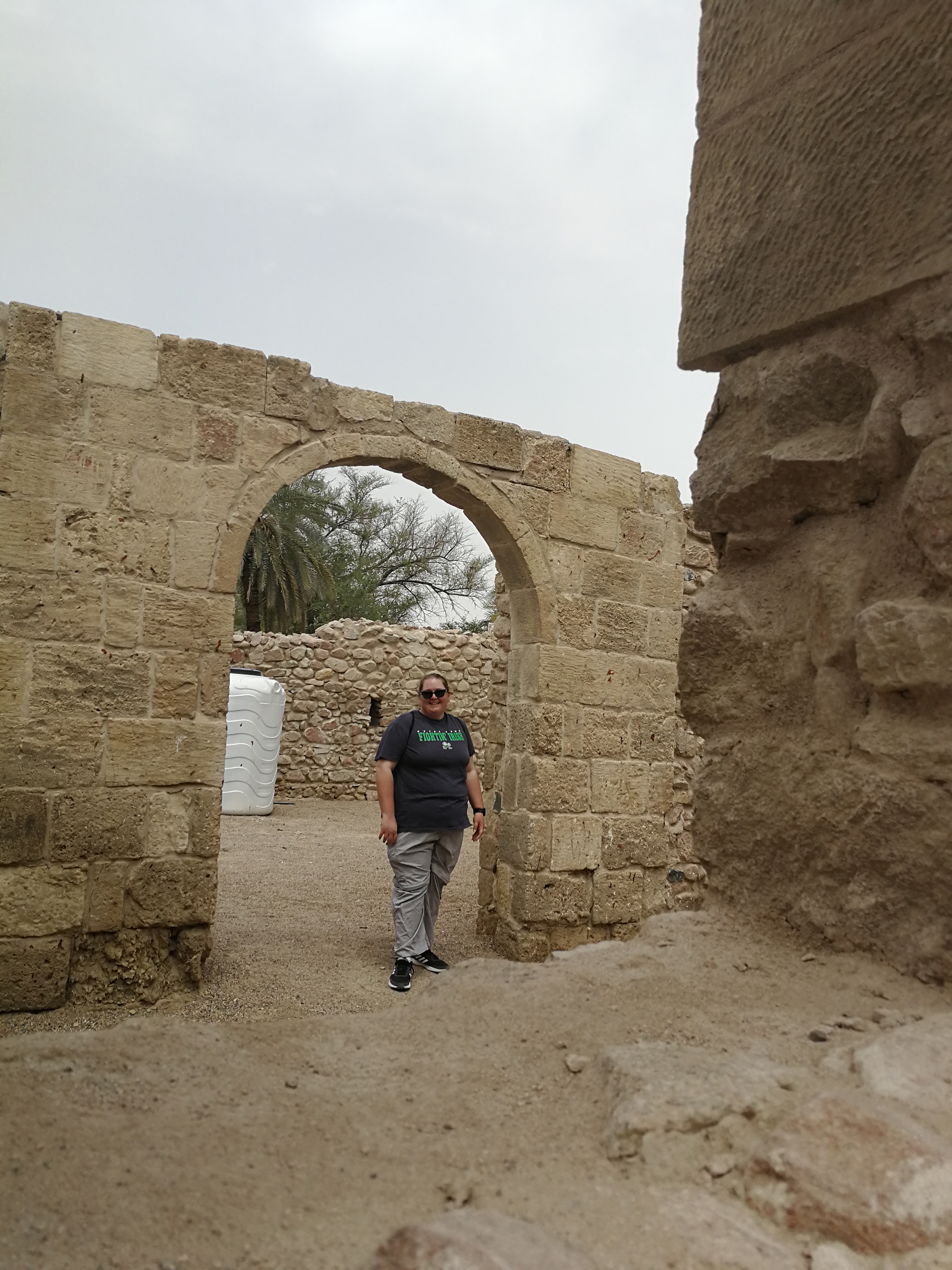
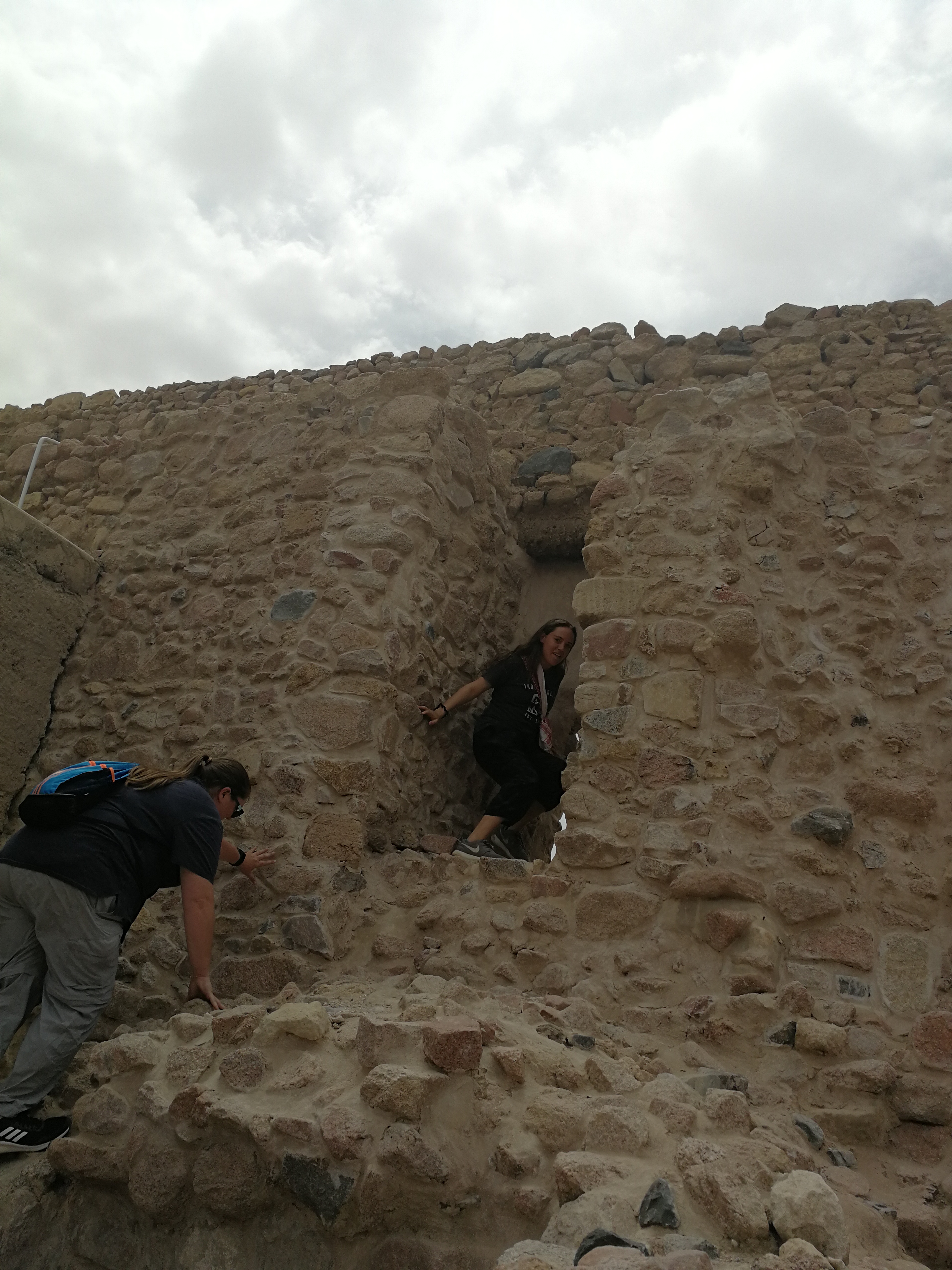
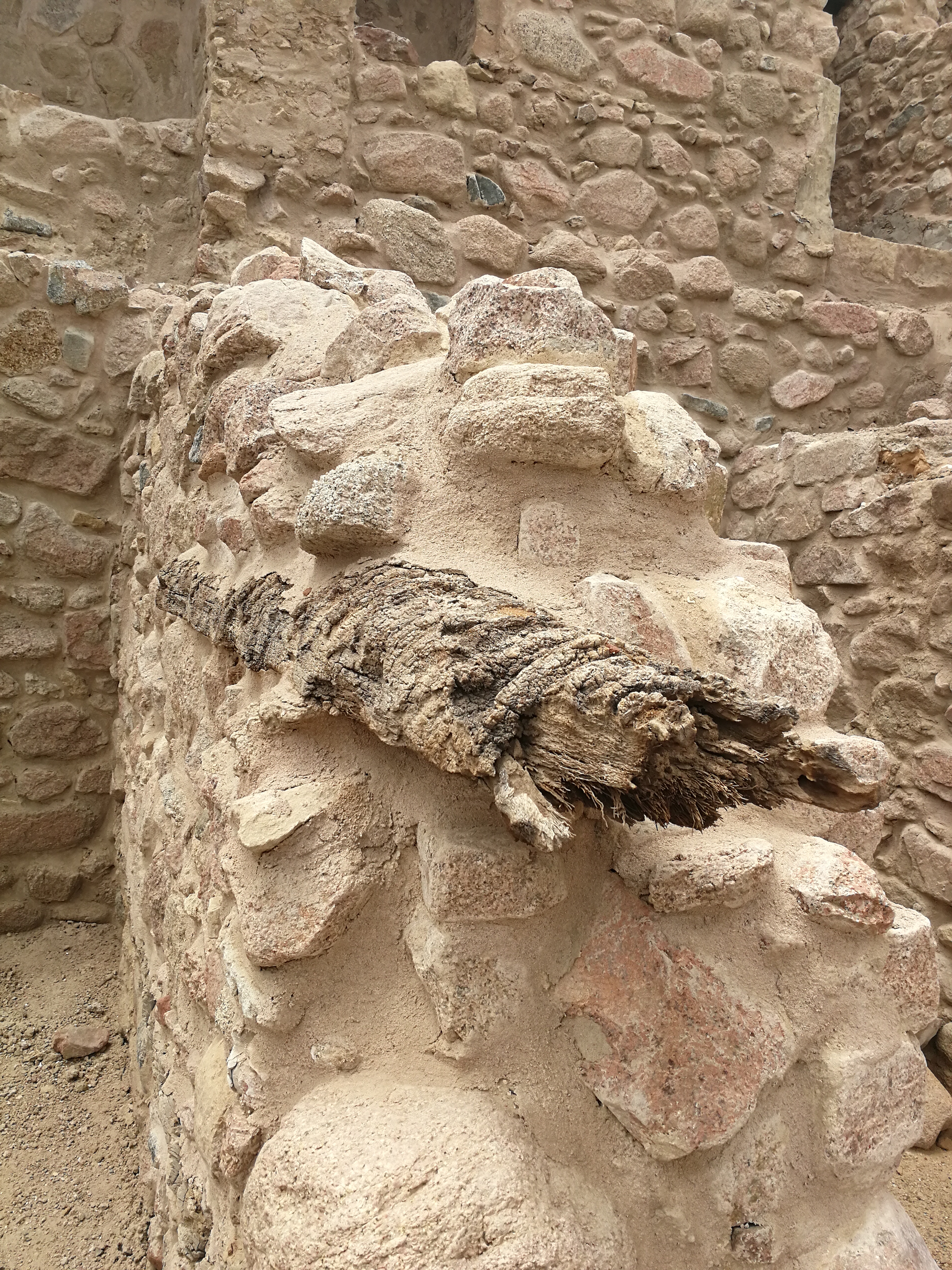
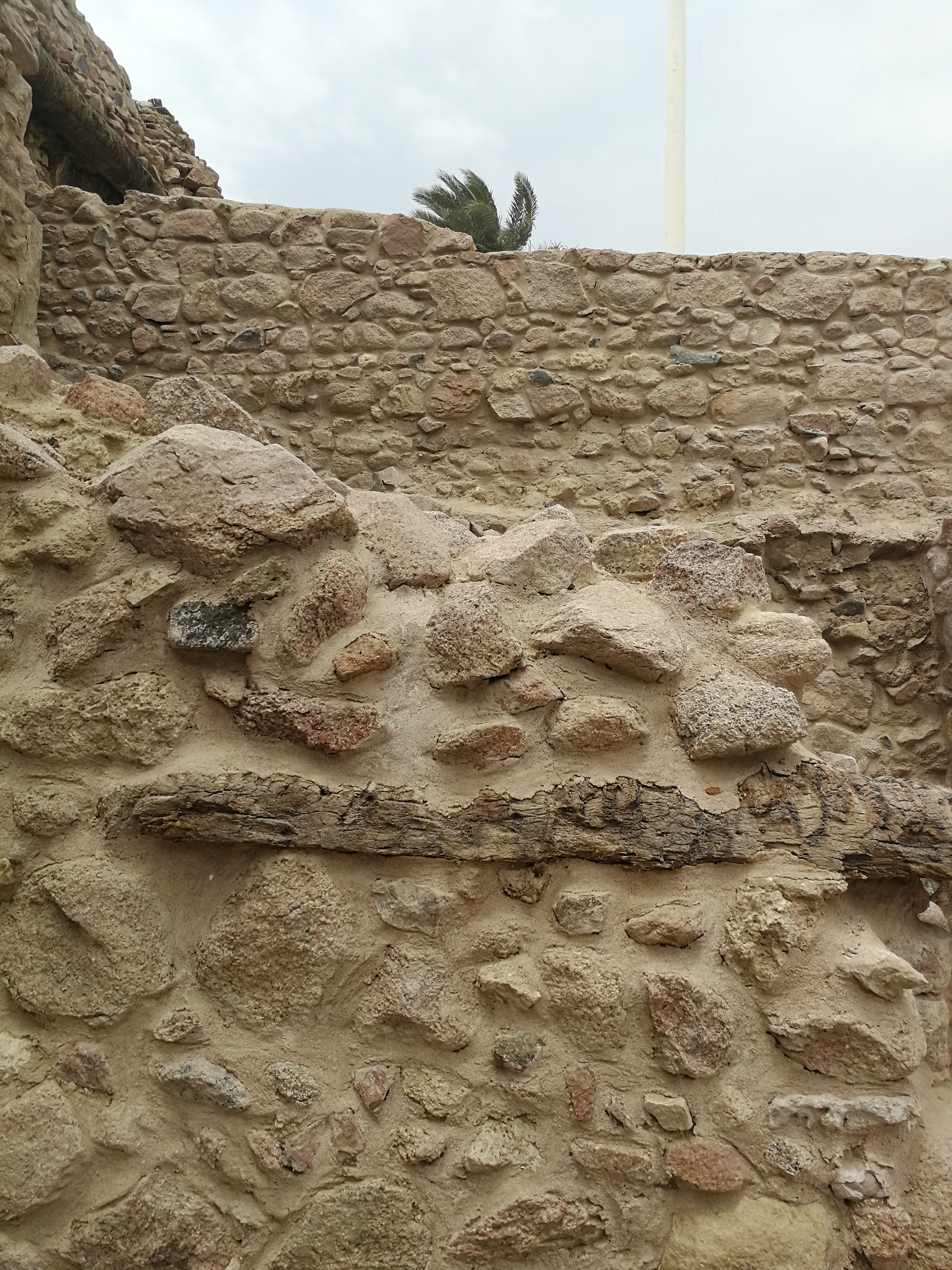
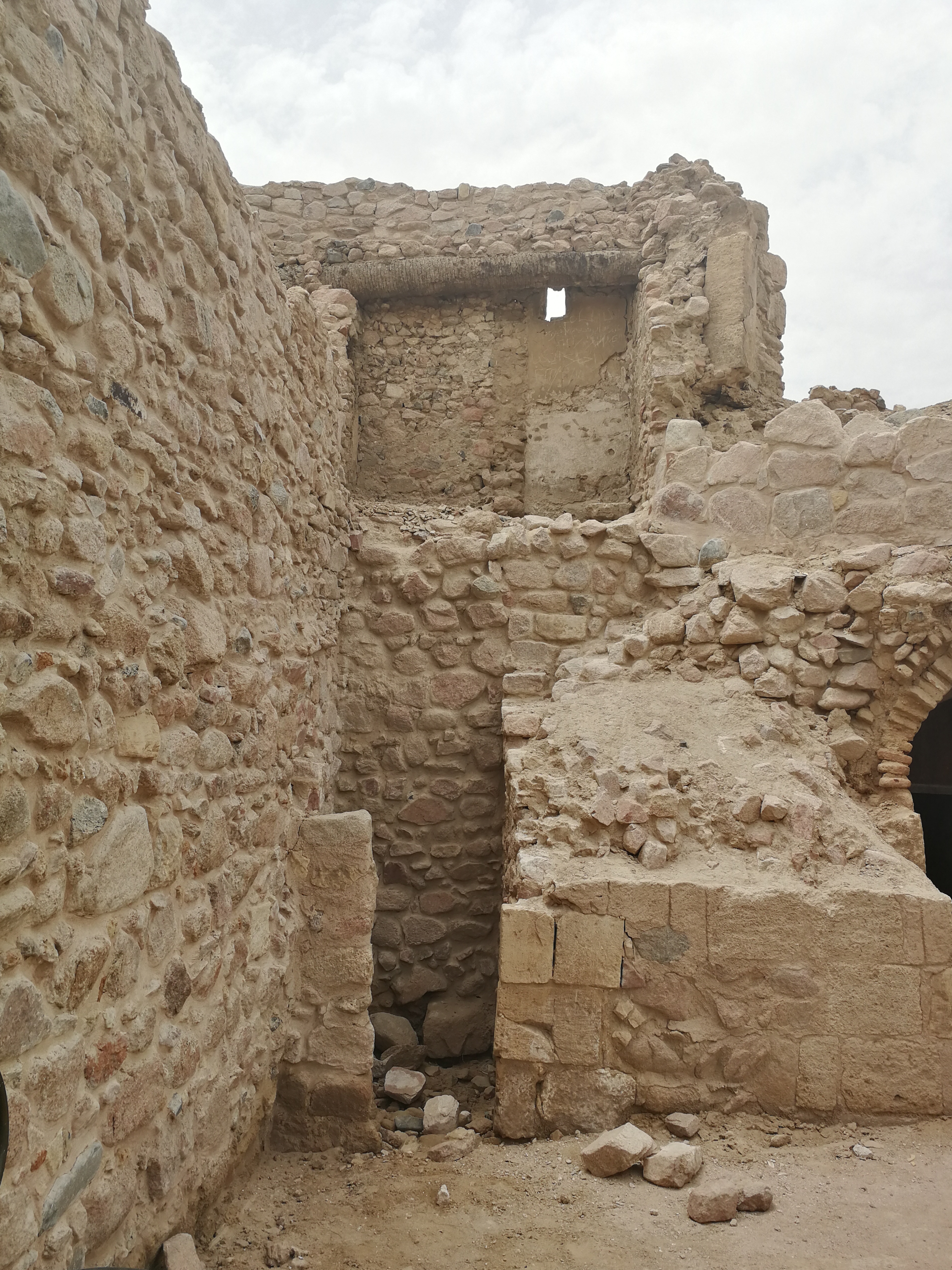
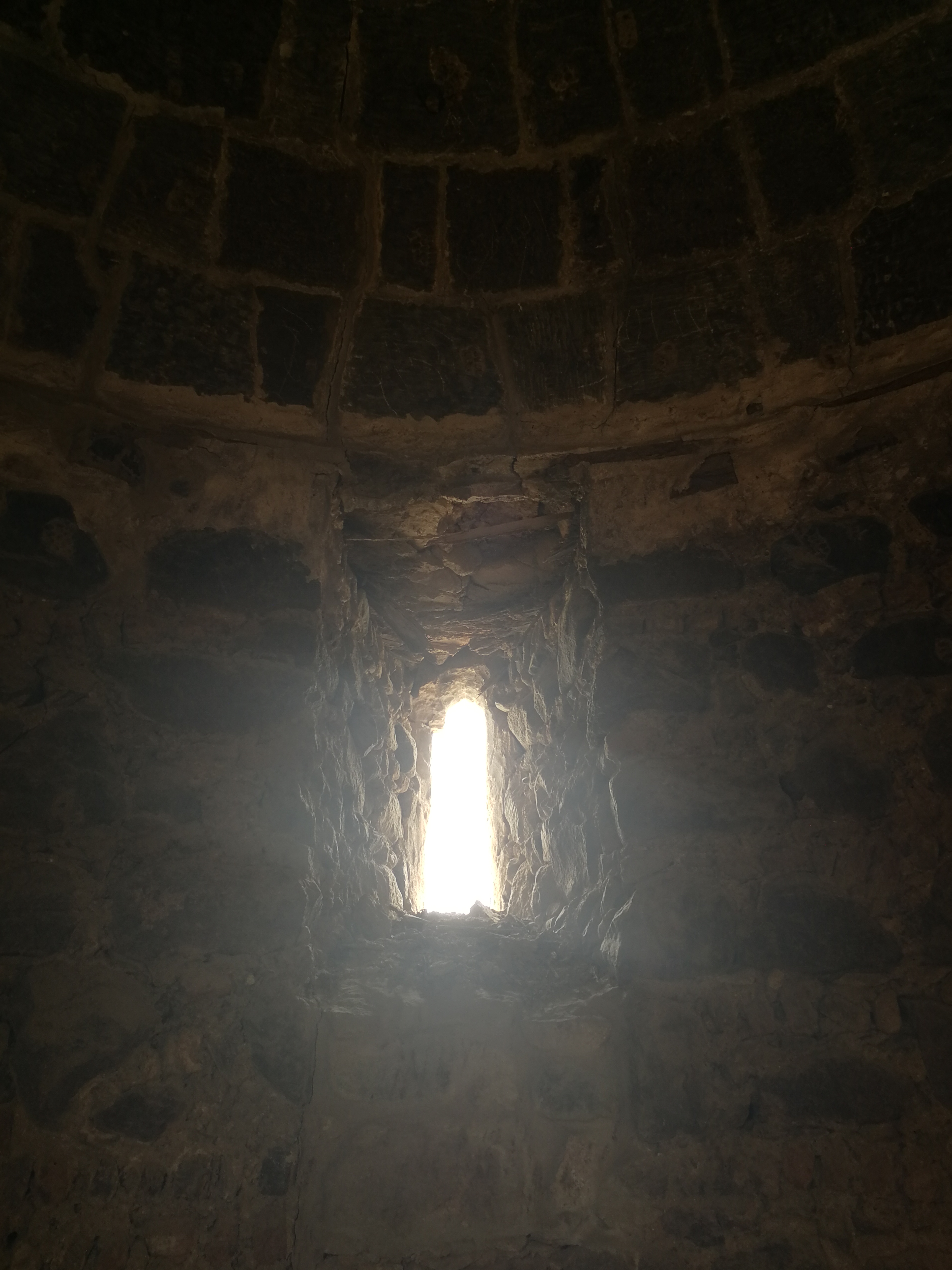

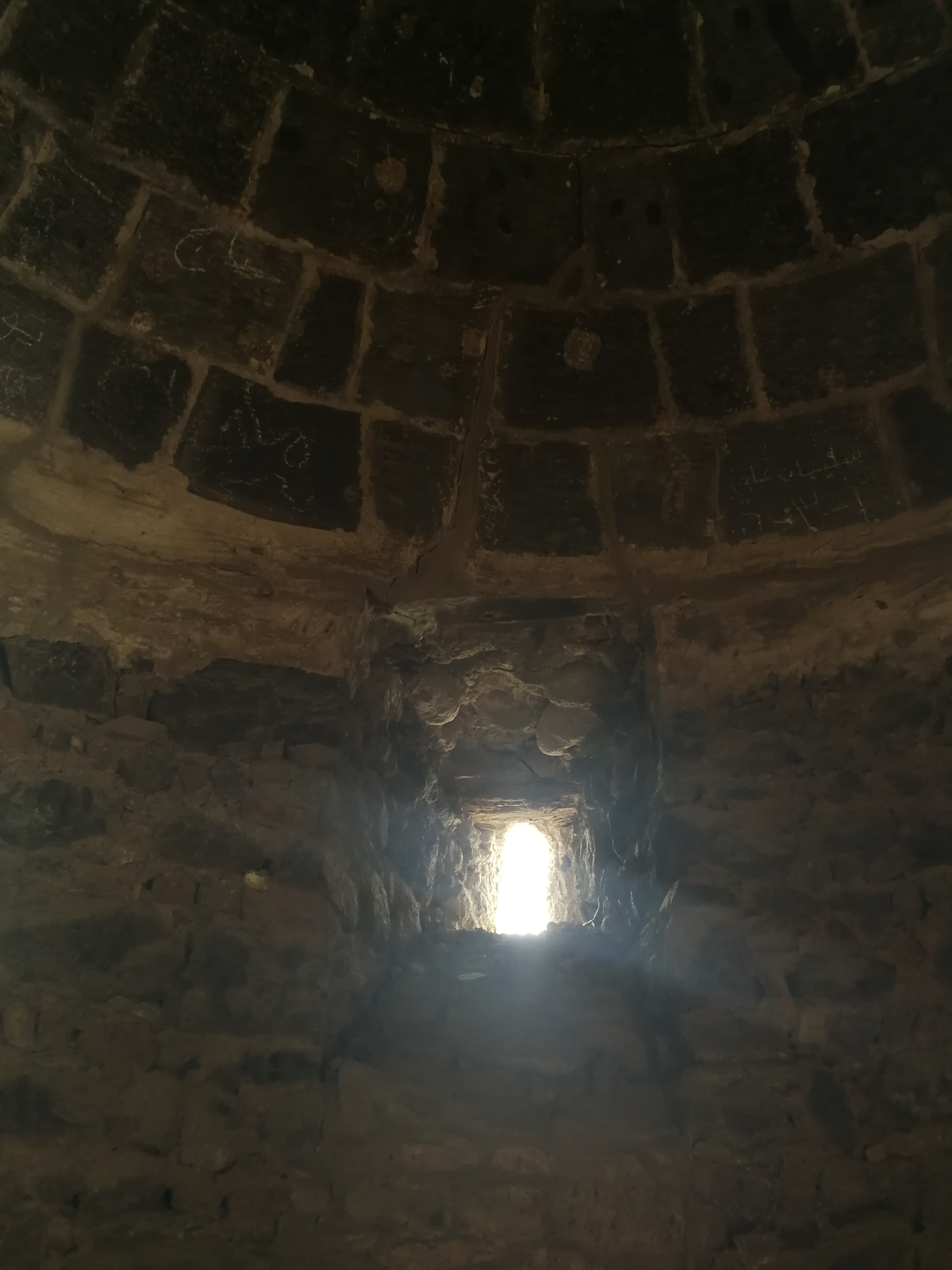
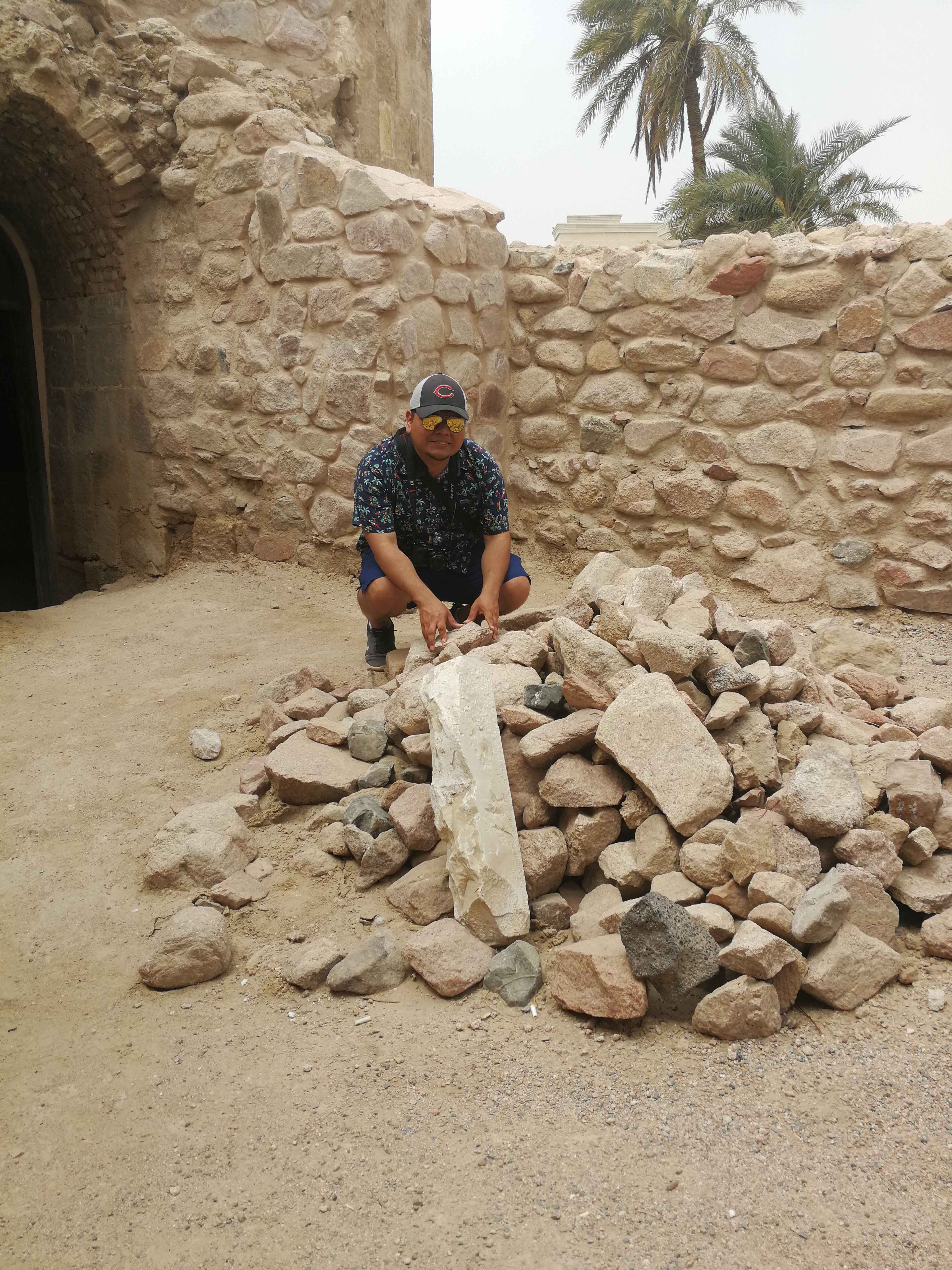
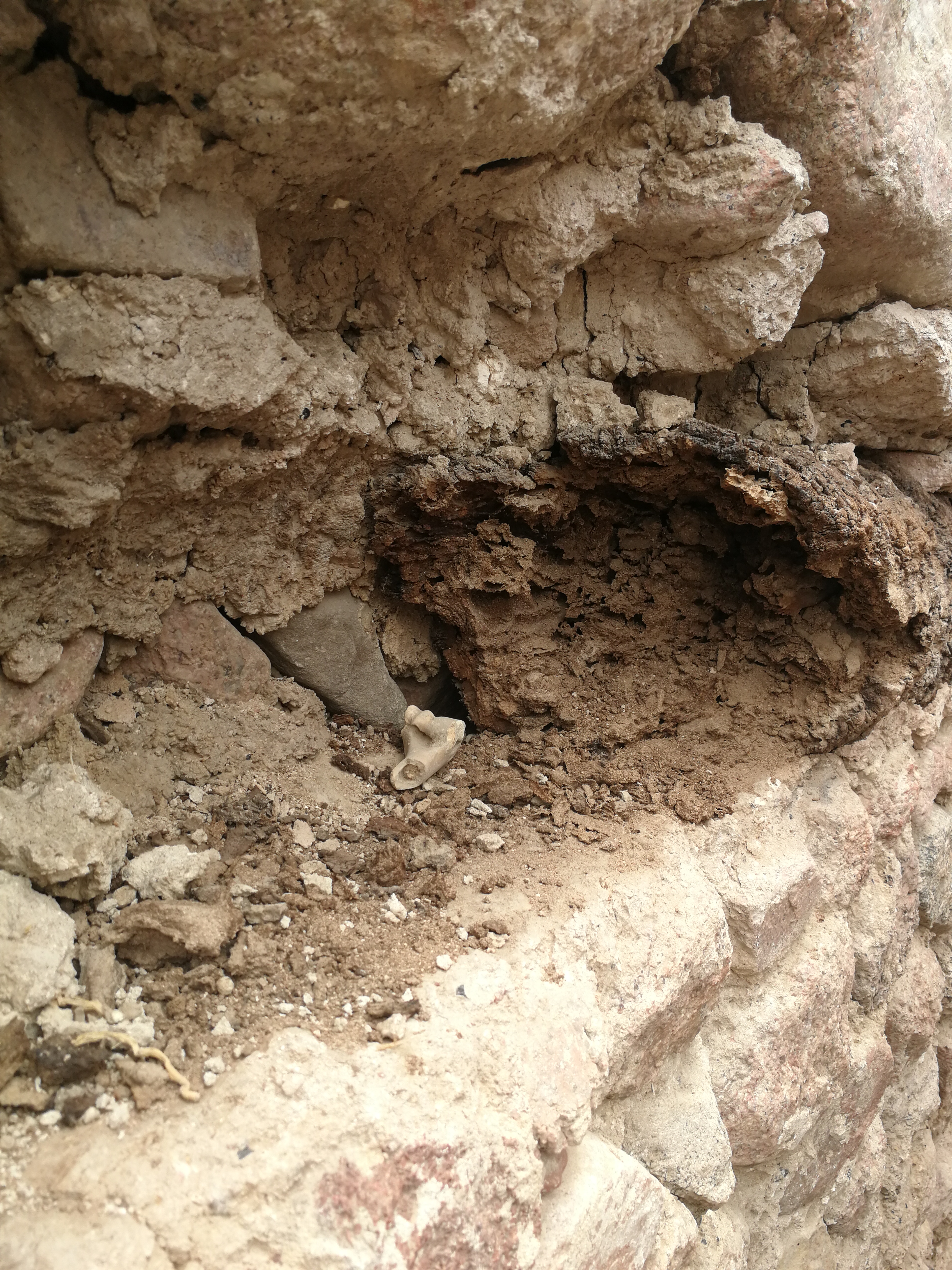
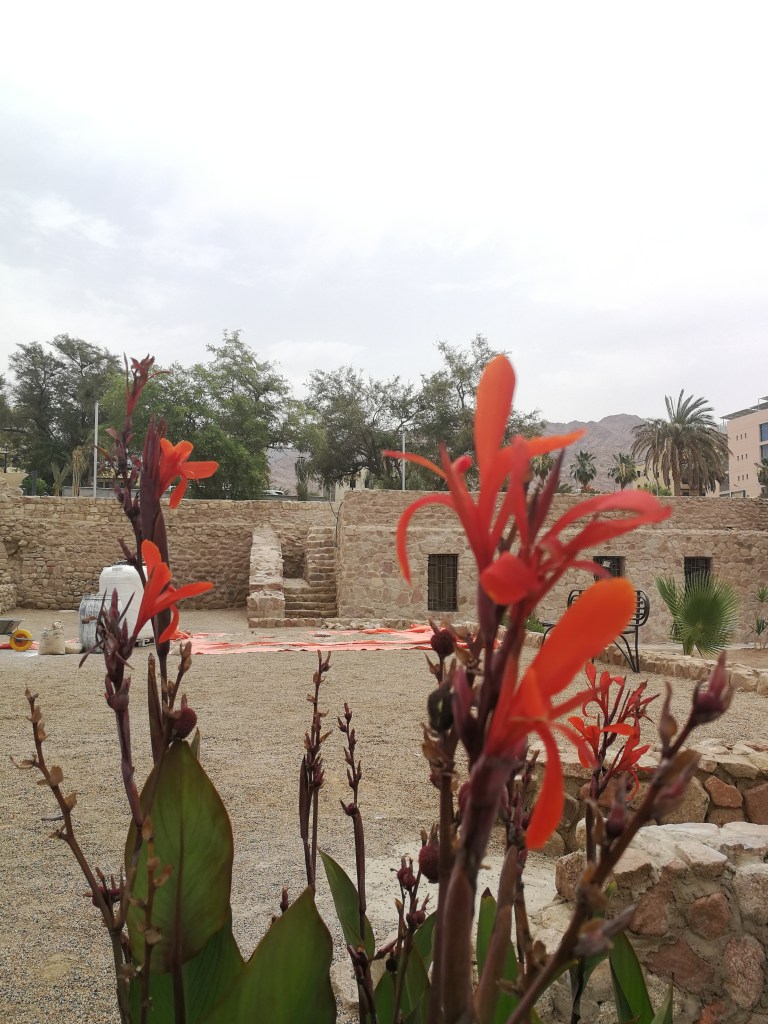
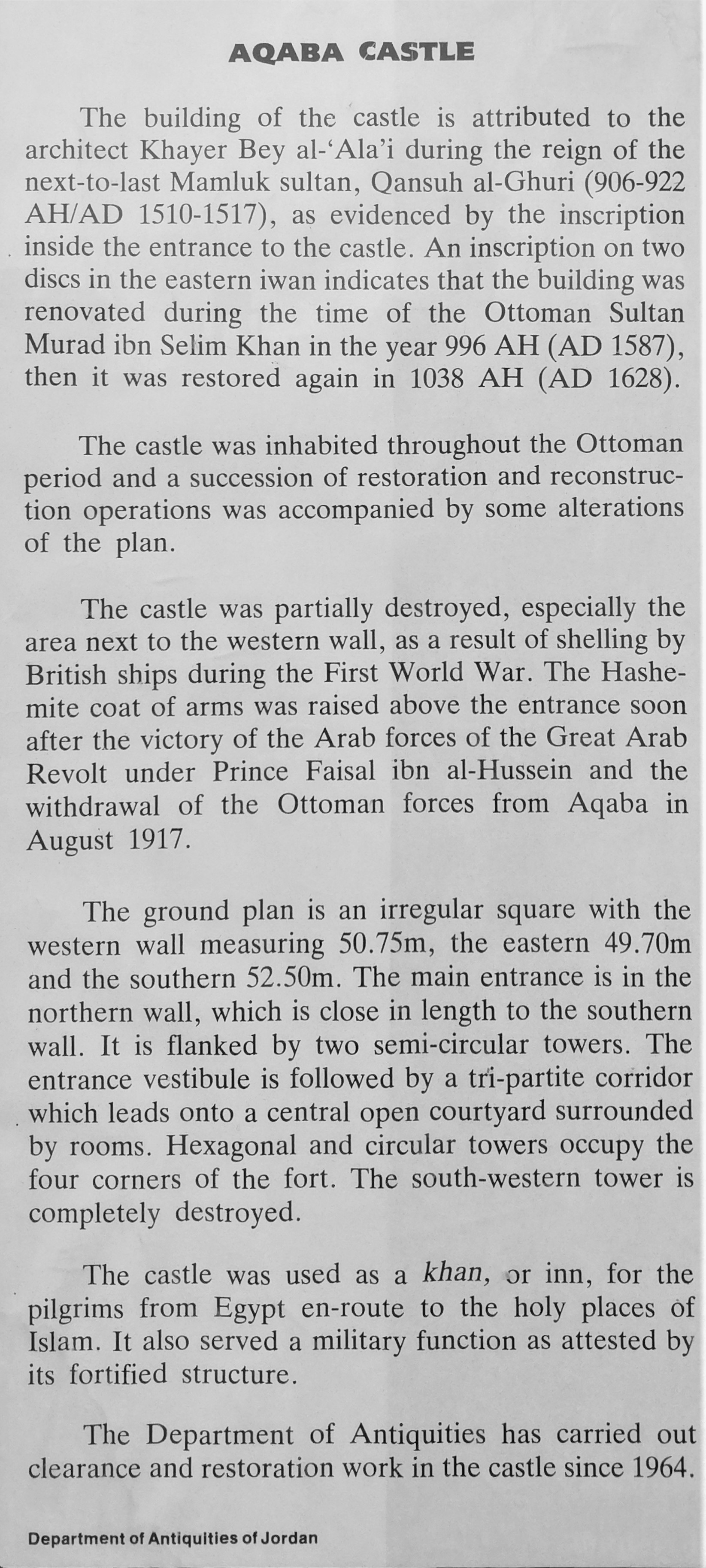
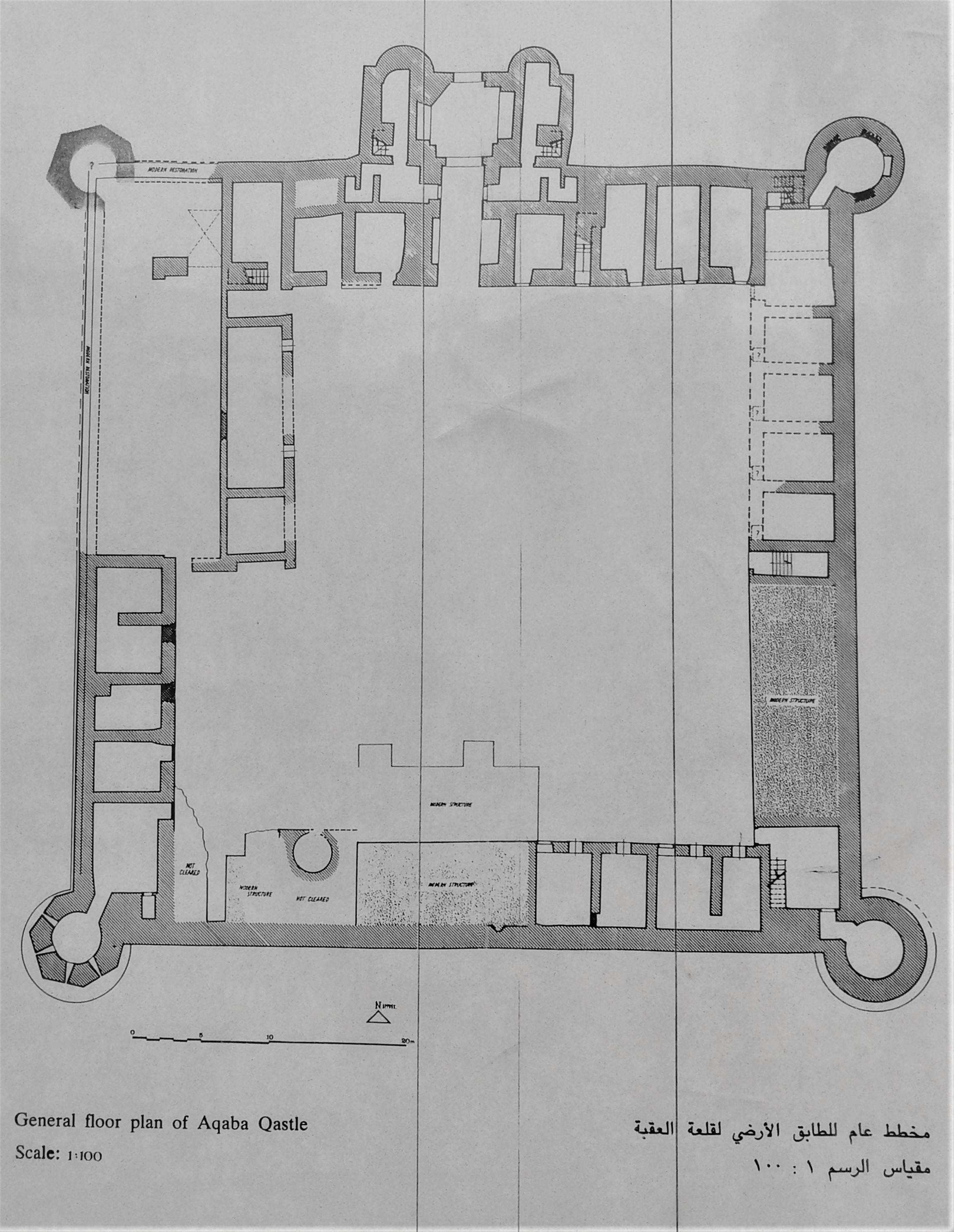
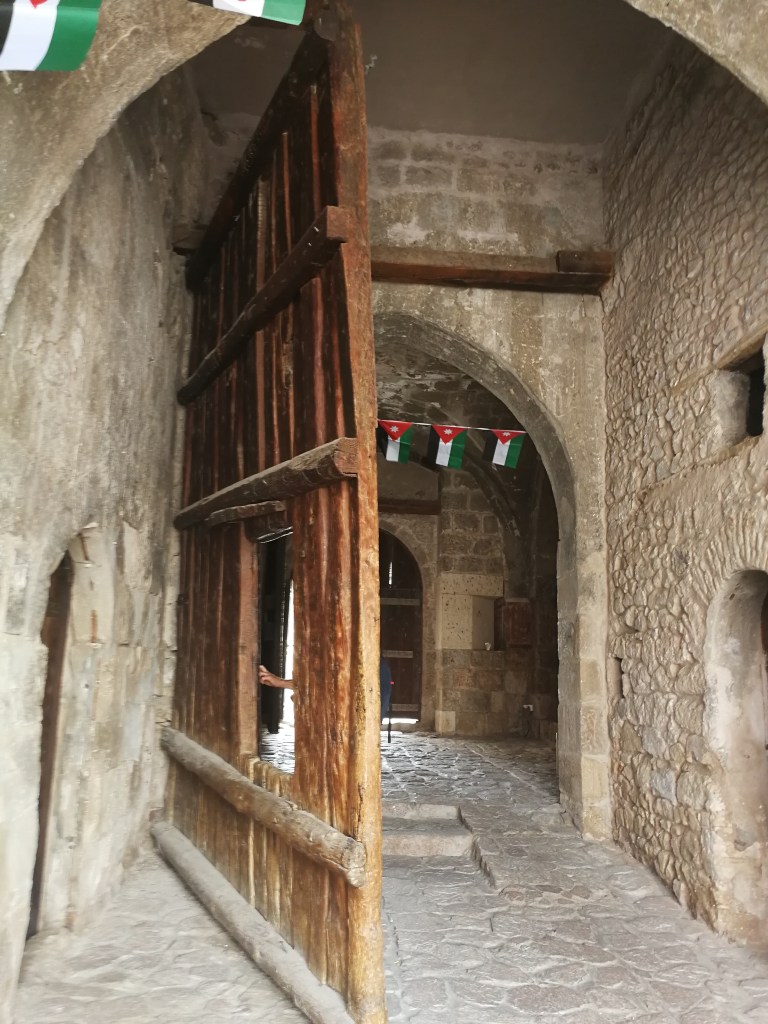
“Aqaba, the silent guardian of the Red Sea, became a crucible of valour and daring during those fateful days of 1917.” ( T.E. Lawrence )
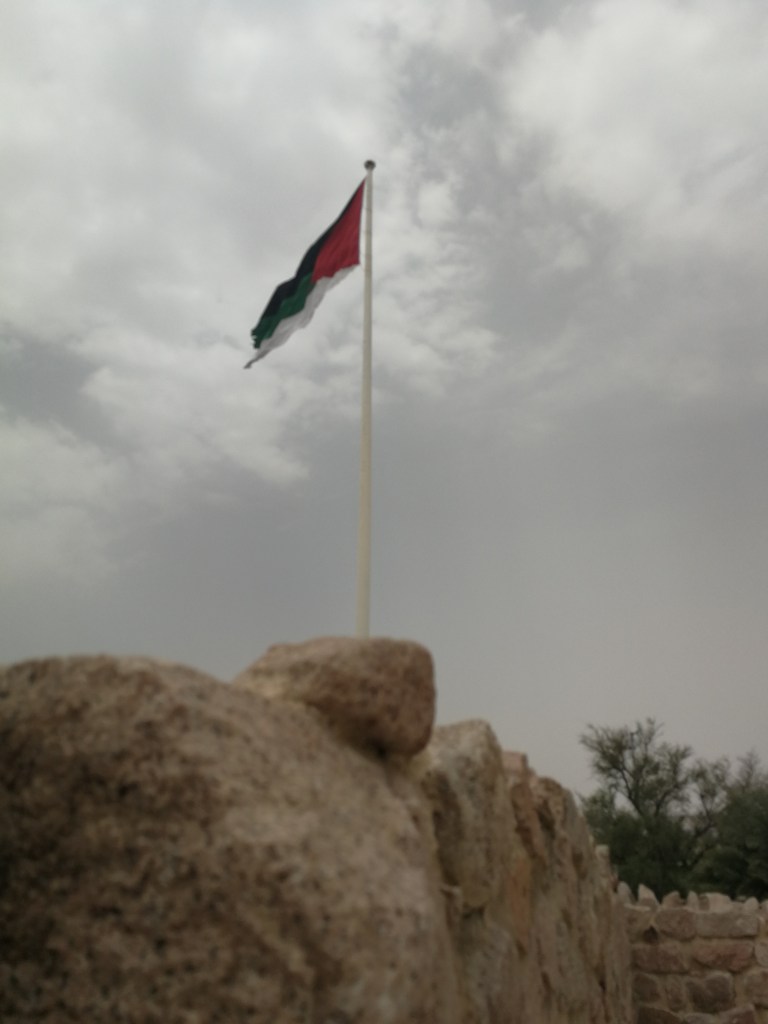
After the collapse of the Ottoman Empire following World War I, Aqaba came under the control of the British. In 1965, it was officially incorporated into the Hashemite Kingdom of Jordan.
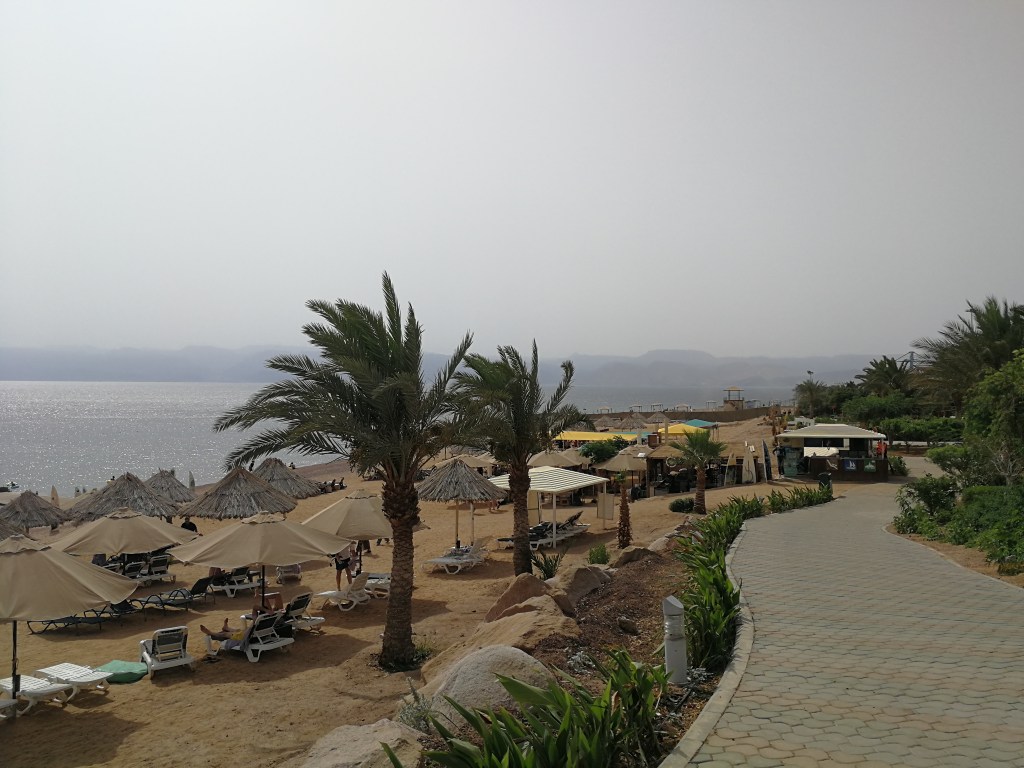
In recent decades, Aqaba has experienced significant development, particularly as a resort destination and a major seaport for Jordan. The city’s strategic location and the development of the Aqaba Special Economic Zone have contributed to its economic growth and importance in the region.
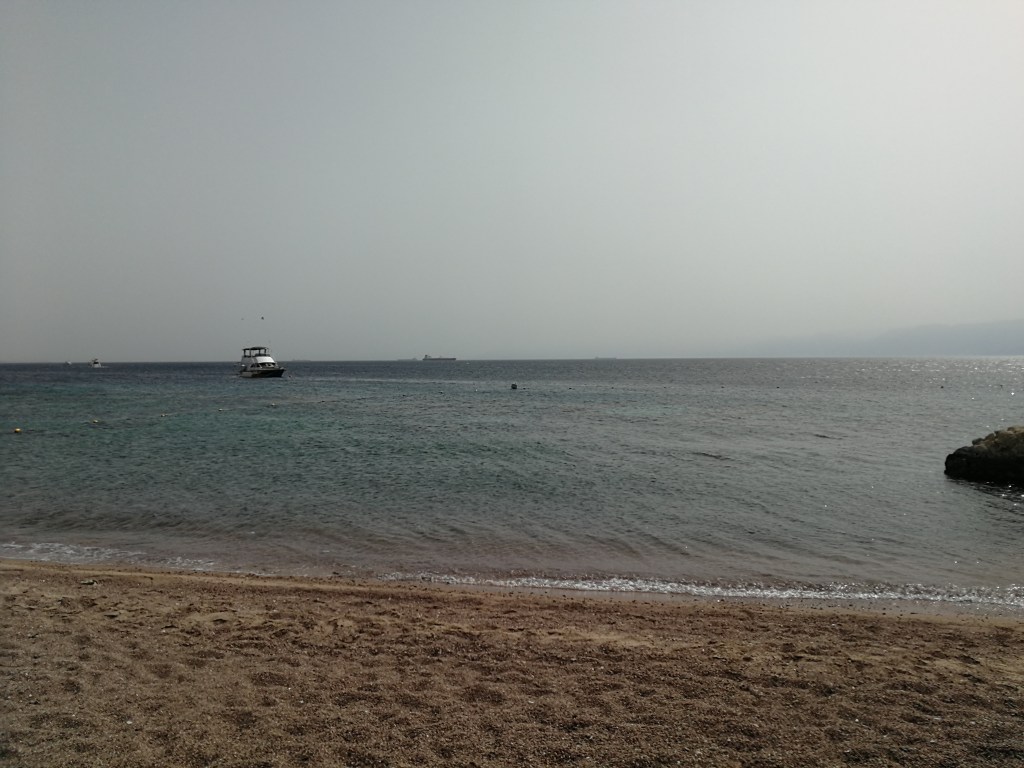


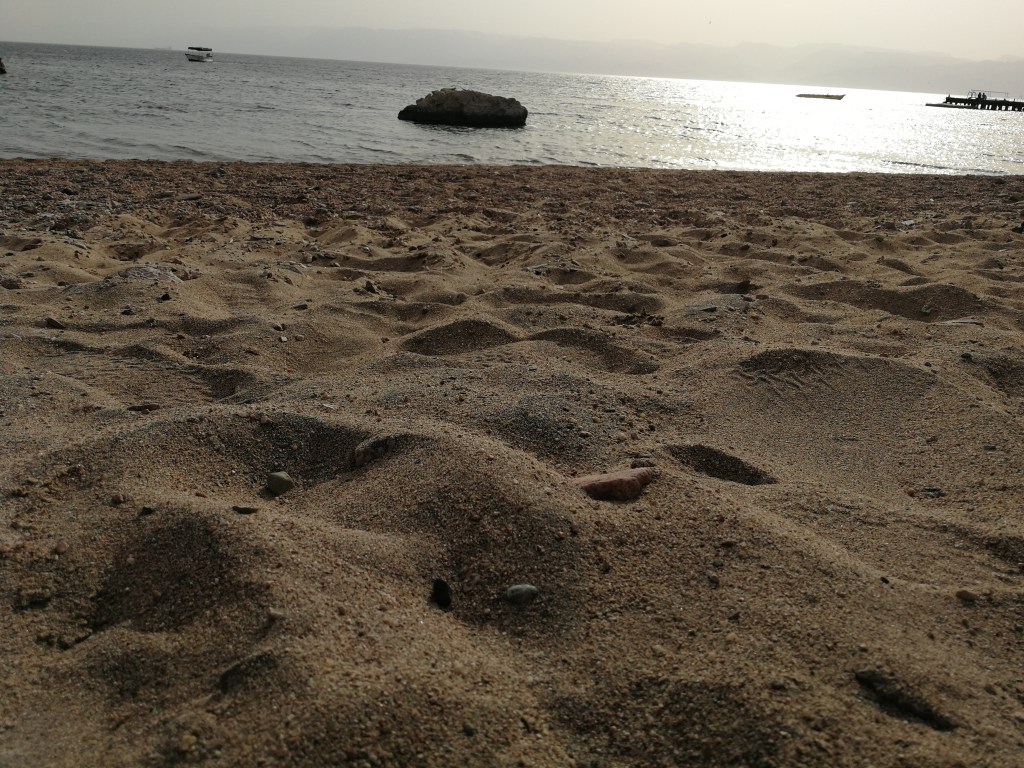
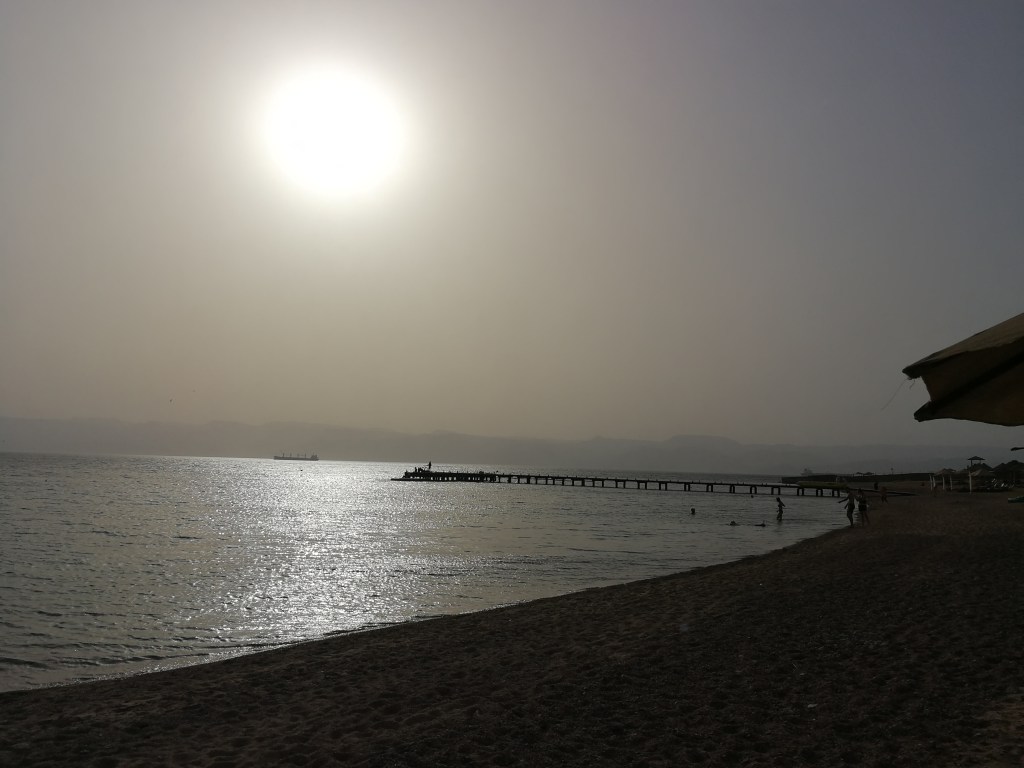
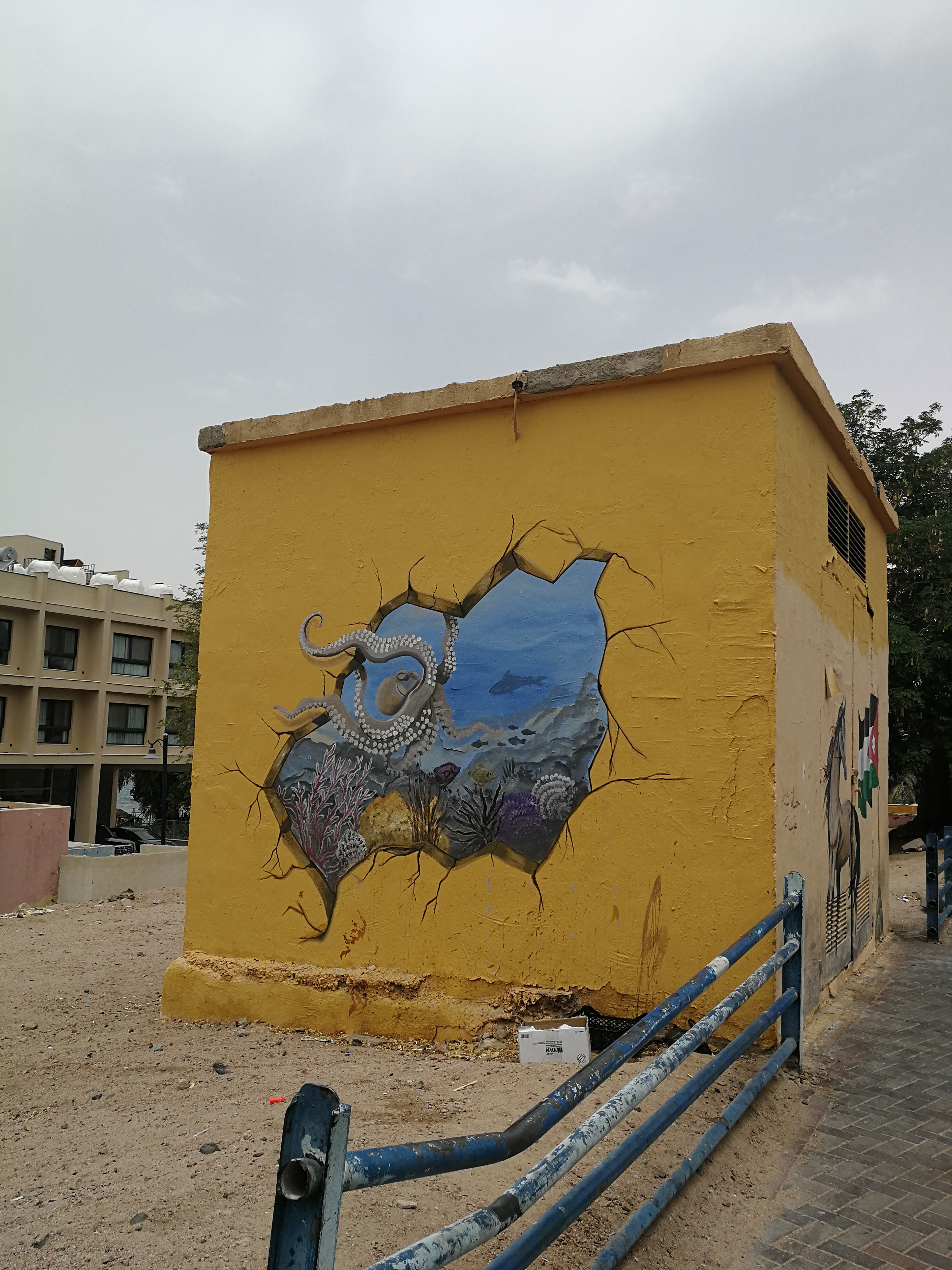
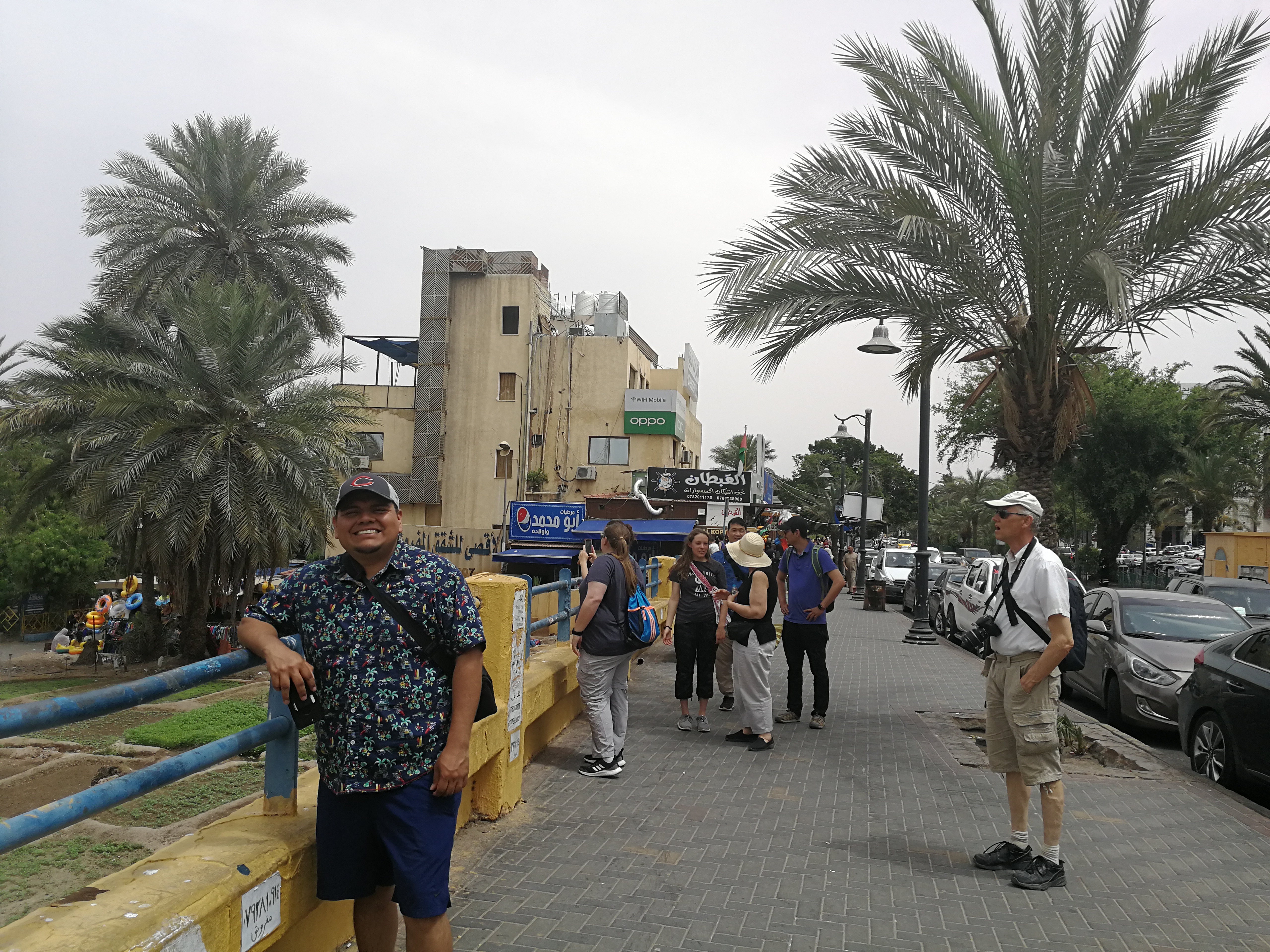
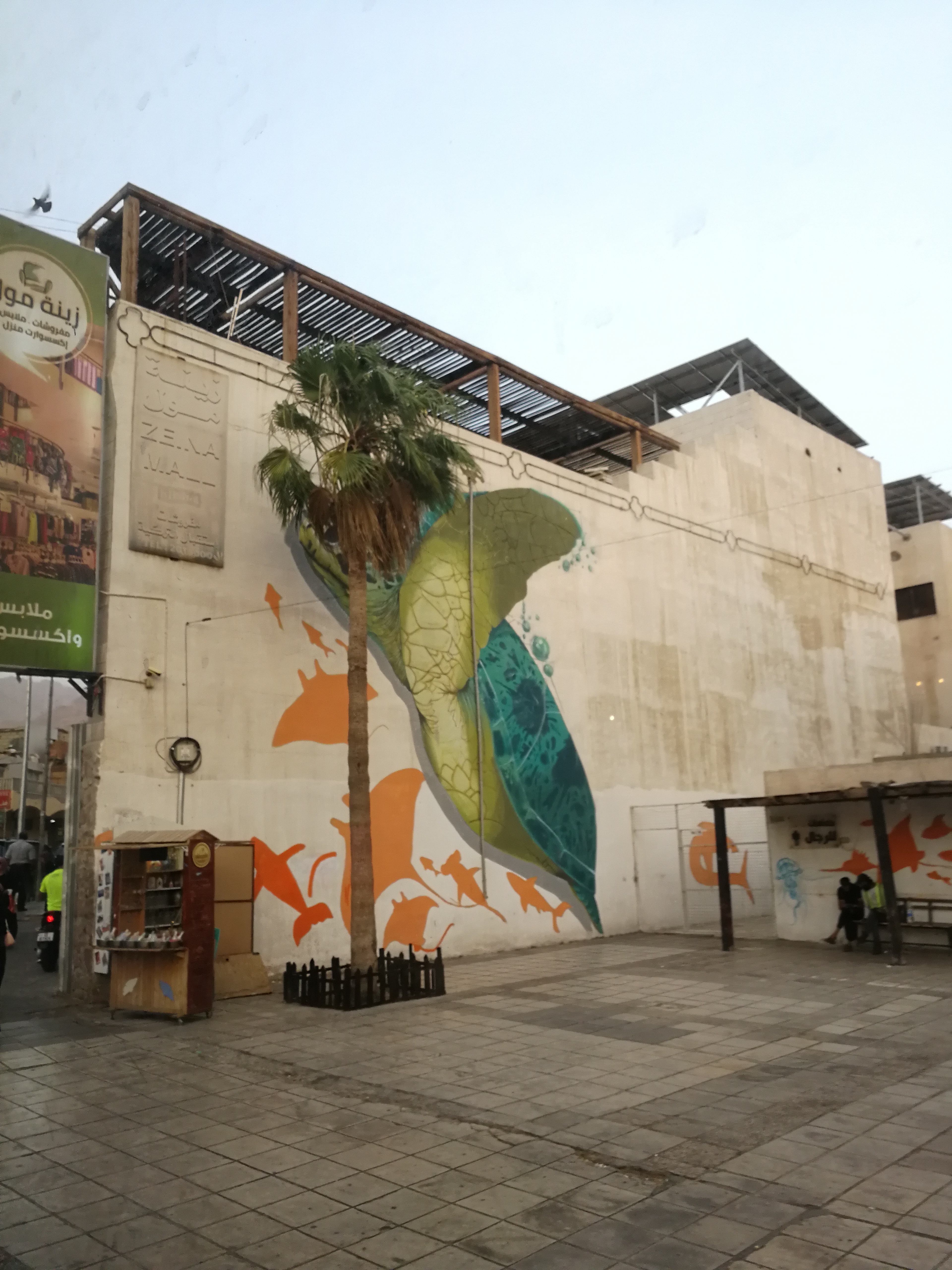
Today, Aqaba is known for its beautiful beaches, coral reefs, and historical sites, making it a popular destination for tourists and history enthusiasts. Its rich past and strategic location continue to shape its significance in Jordan and the Middle East.
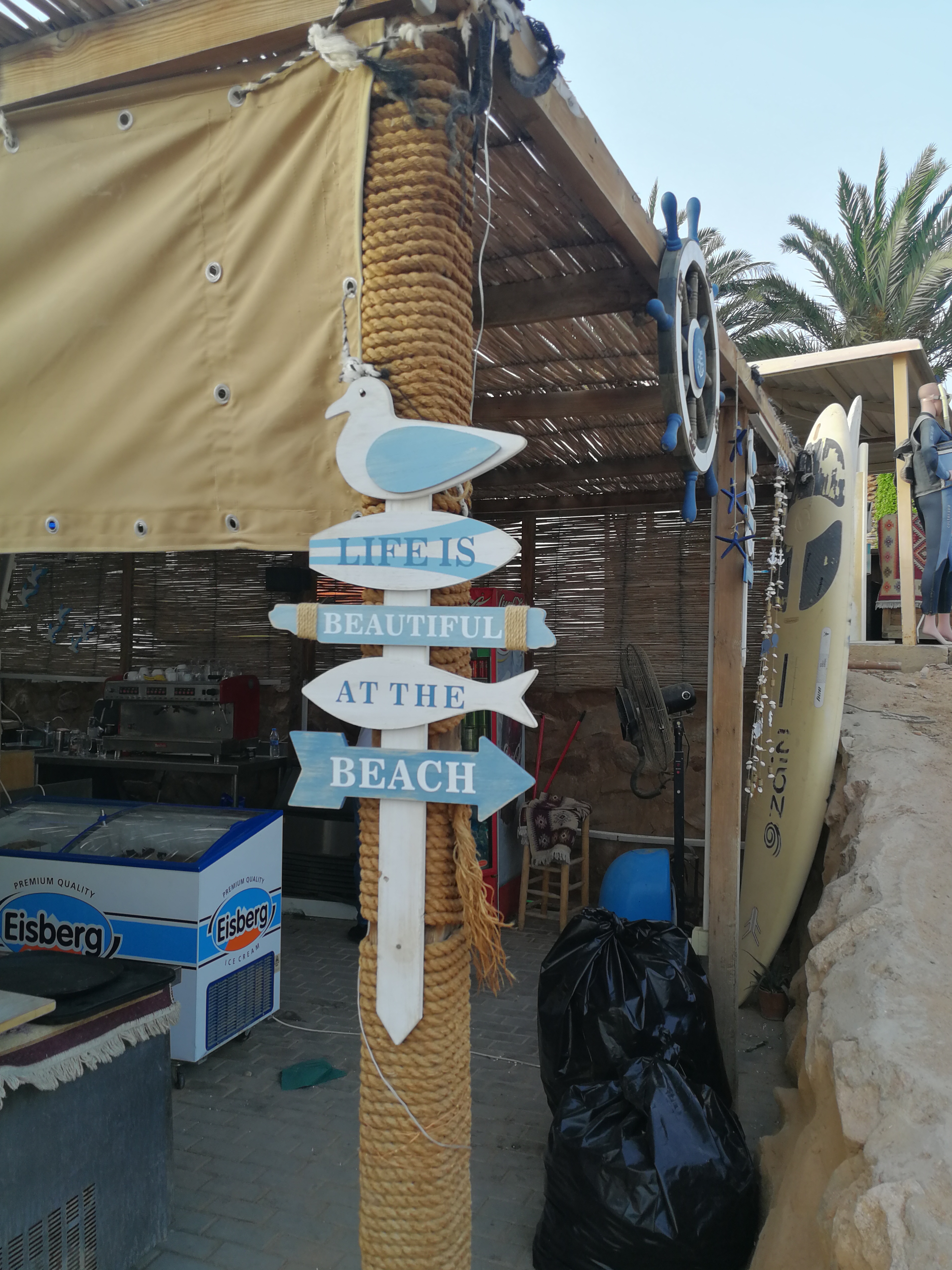
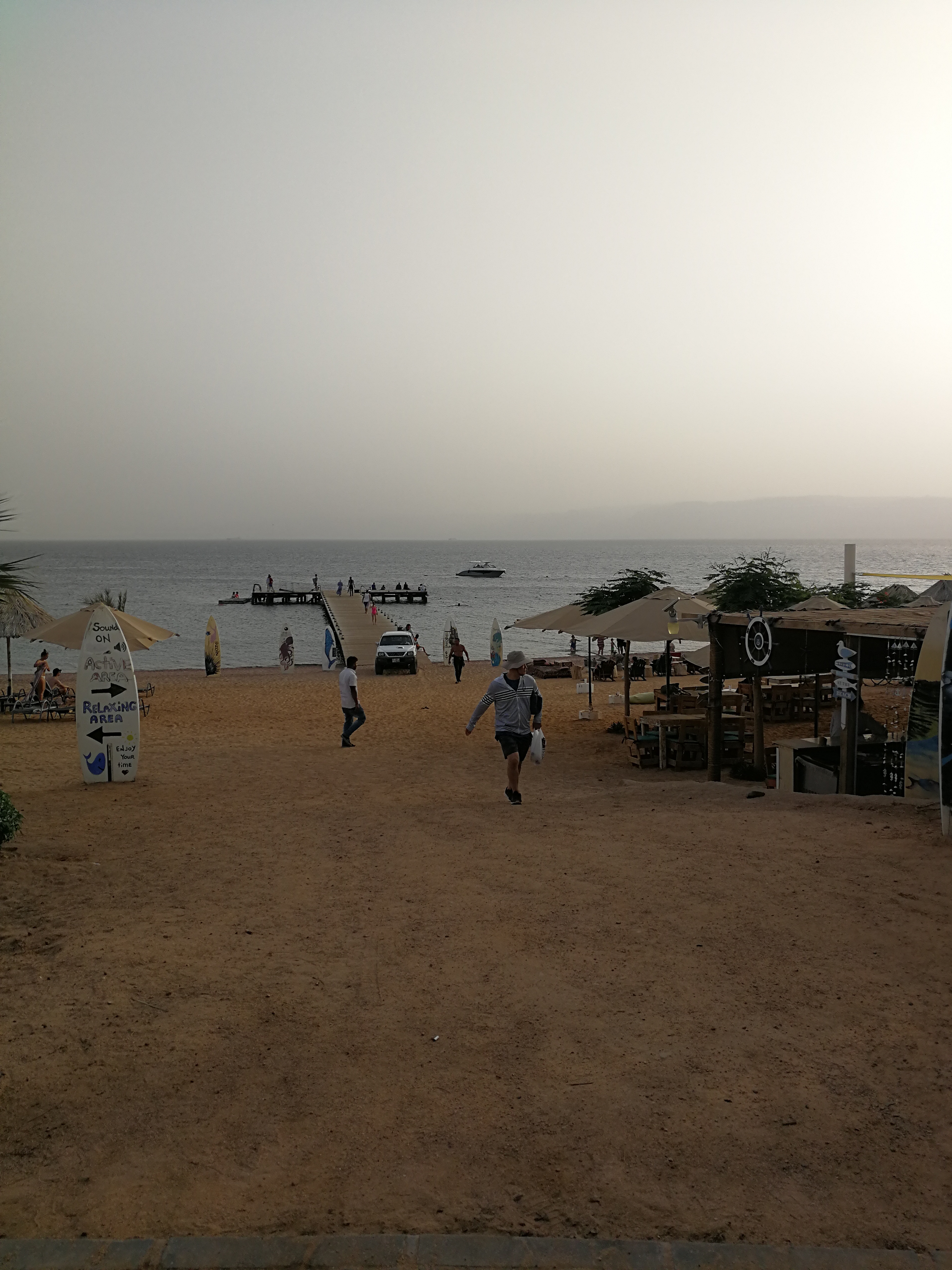




“Through the barren lands and sand-filled plains, Lawrence and his Bedouin warriors carved their path to victory and into the annals of history.” ( T.E. Lawrence’s biographer )
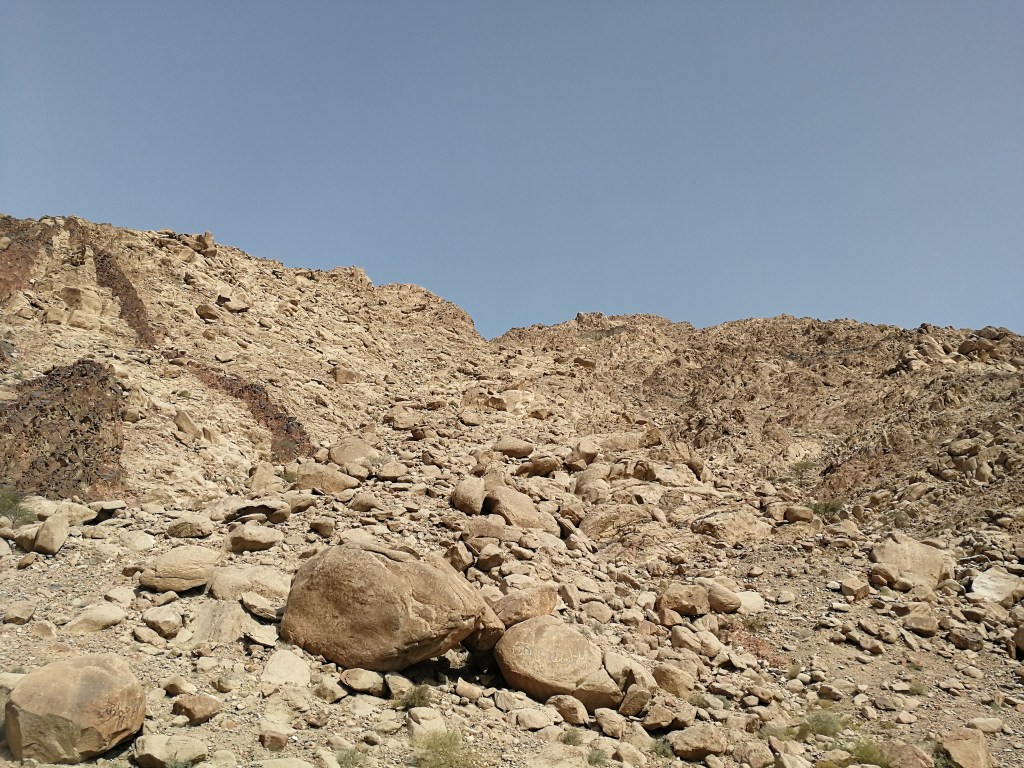
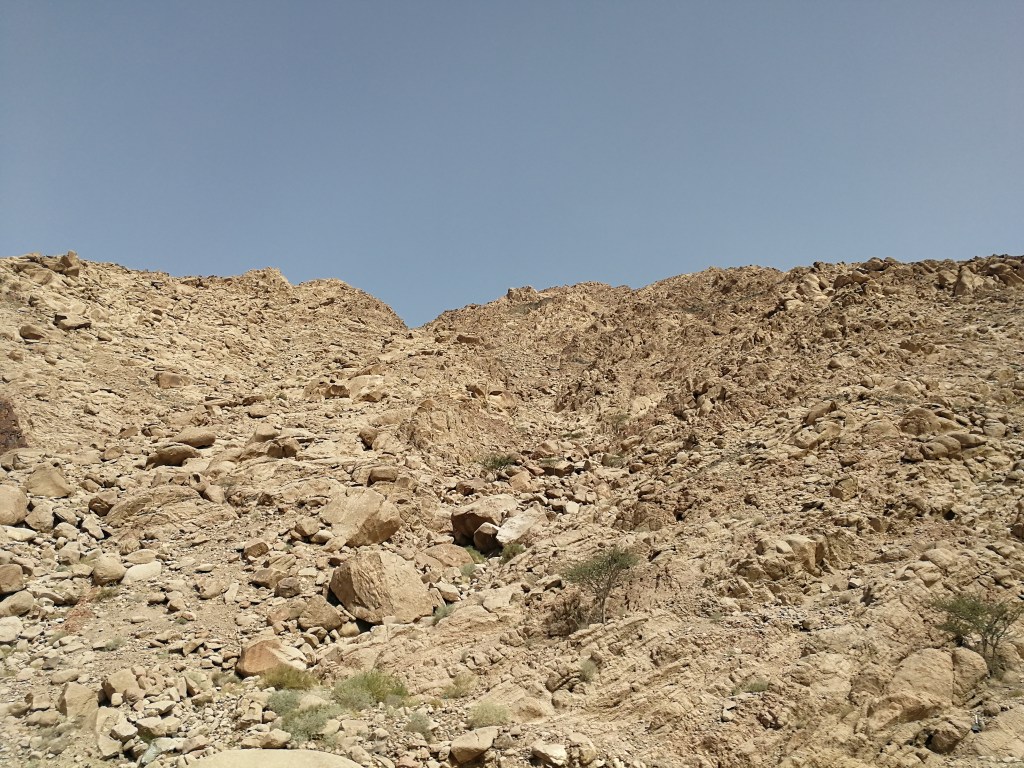
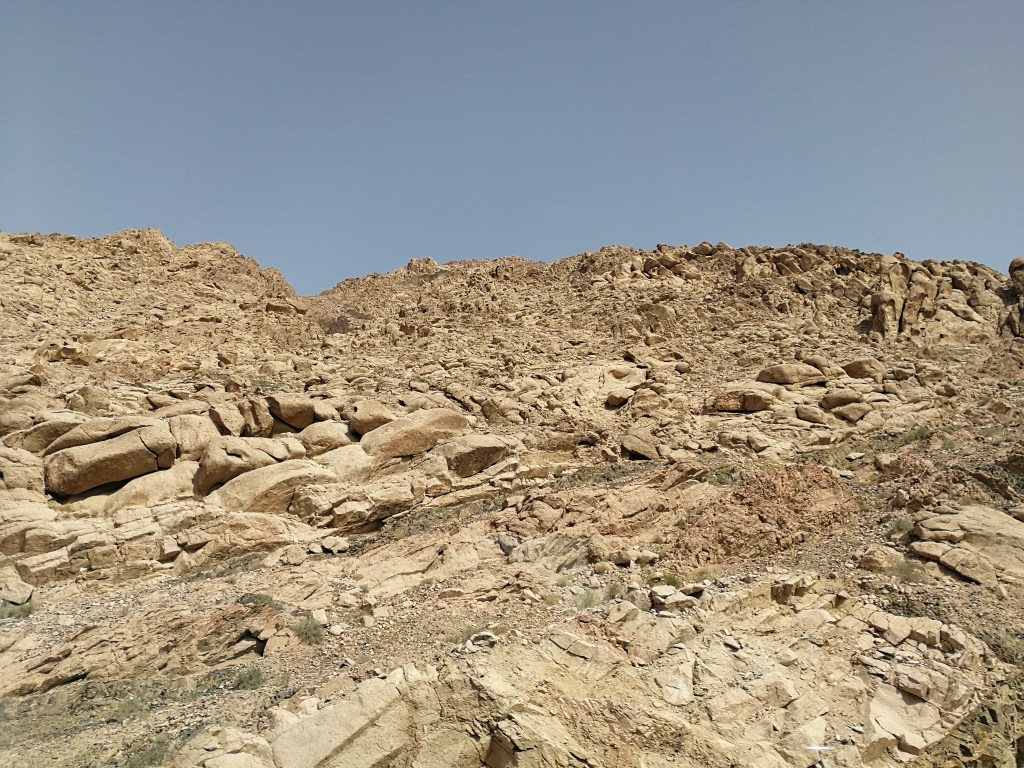
The inspiring history of Aqaba testifies as a testament to the strength of human will and the power of unity among the tribes. Getting to know this beauty on the Red Sea was a pleasure. But it is good to be back on the road to Madaba, back north, back to work, enjoying the view of the geological masterpiece.

