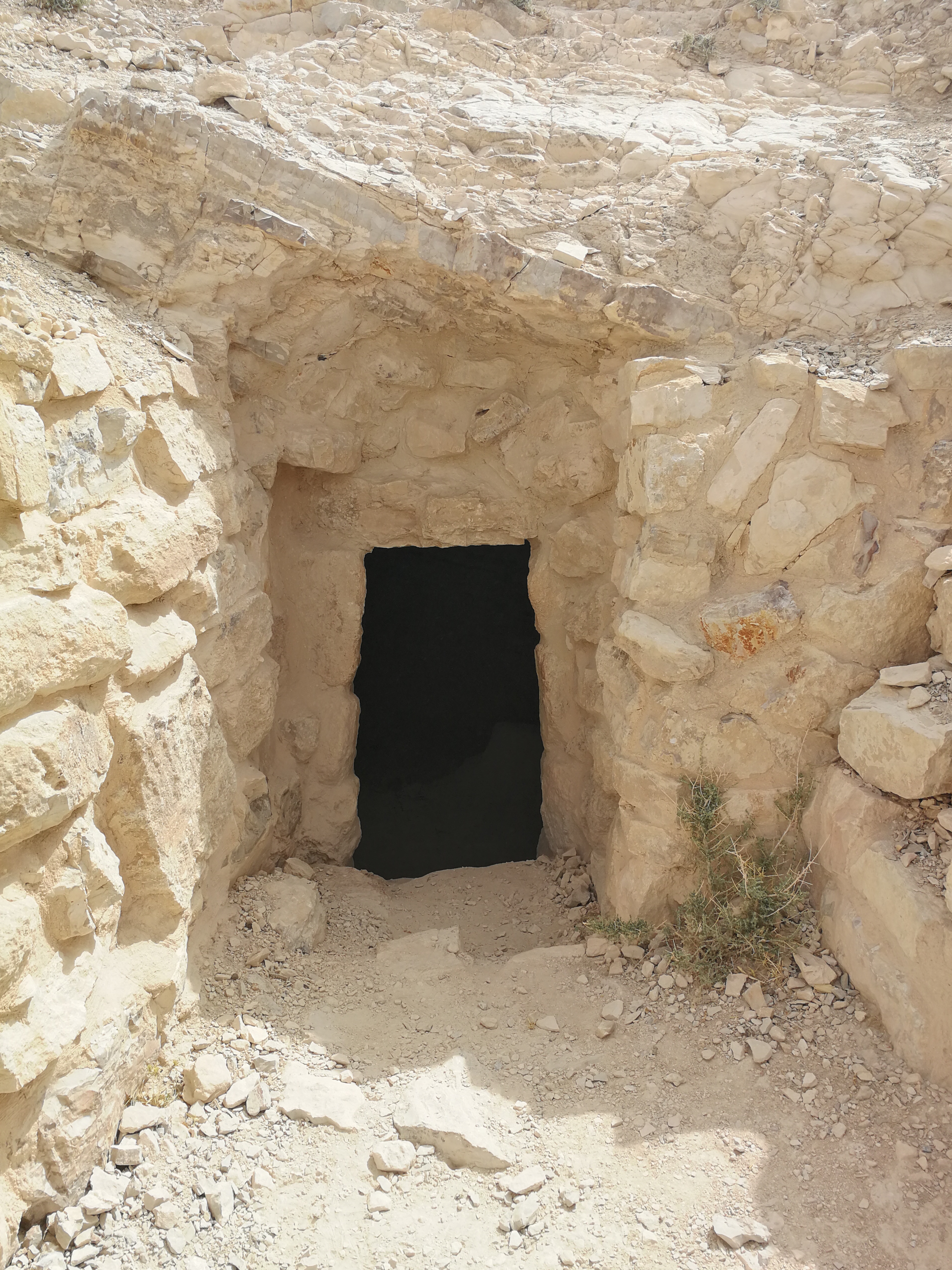
In 2022 I visited Mukawer for the third time in my life, and it was an utterly different experience. The sky was a dark and strange yellow-grey colour. The winds were blowing insanely from every direction, and our group was the only one there at the time.
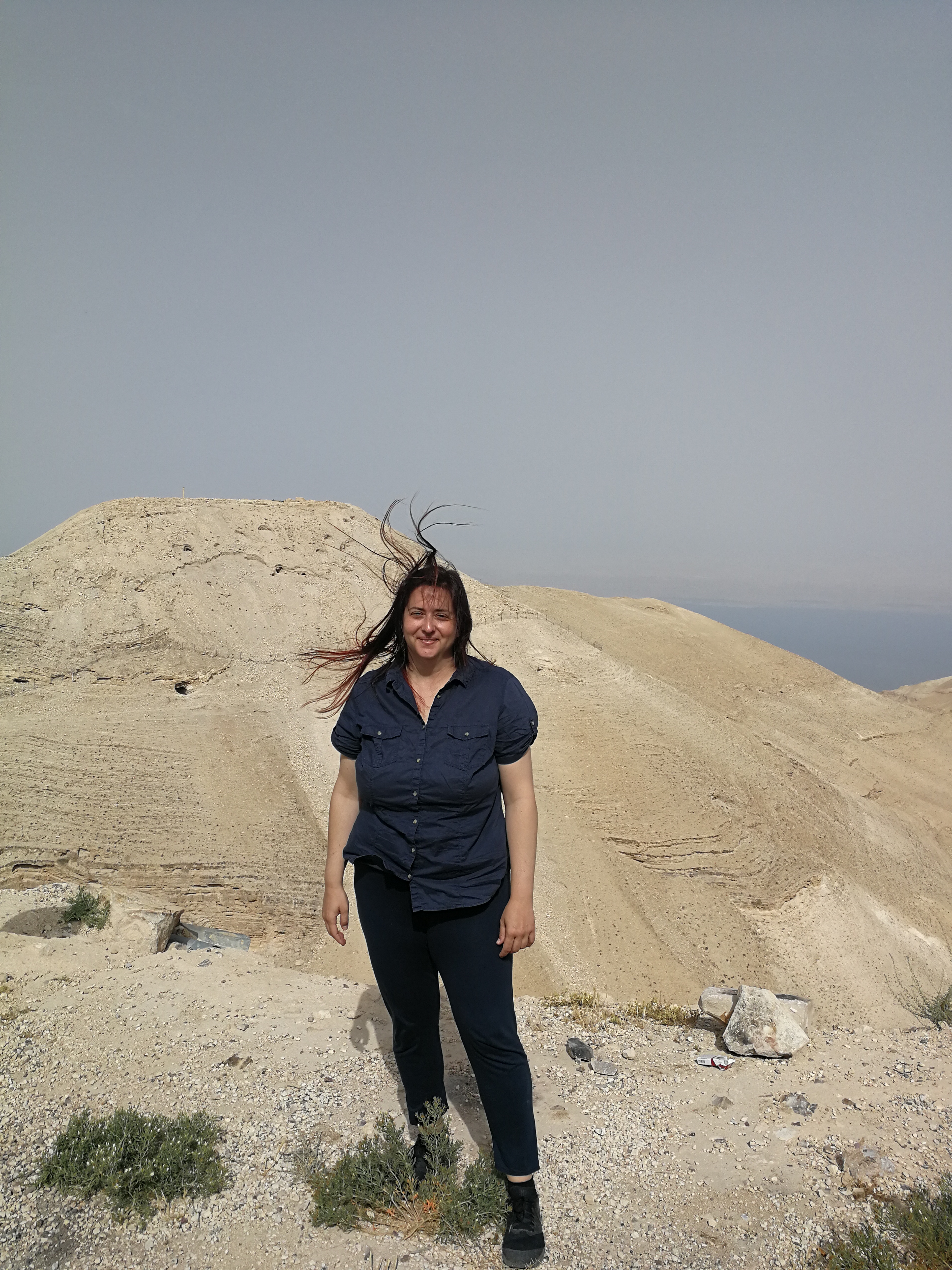
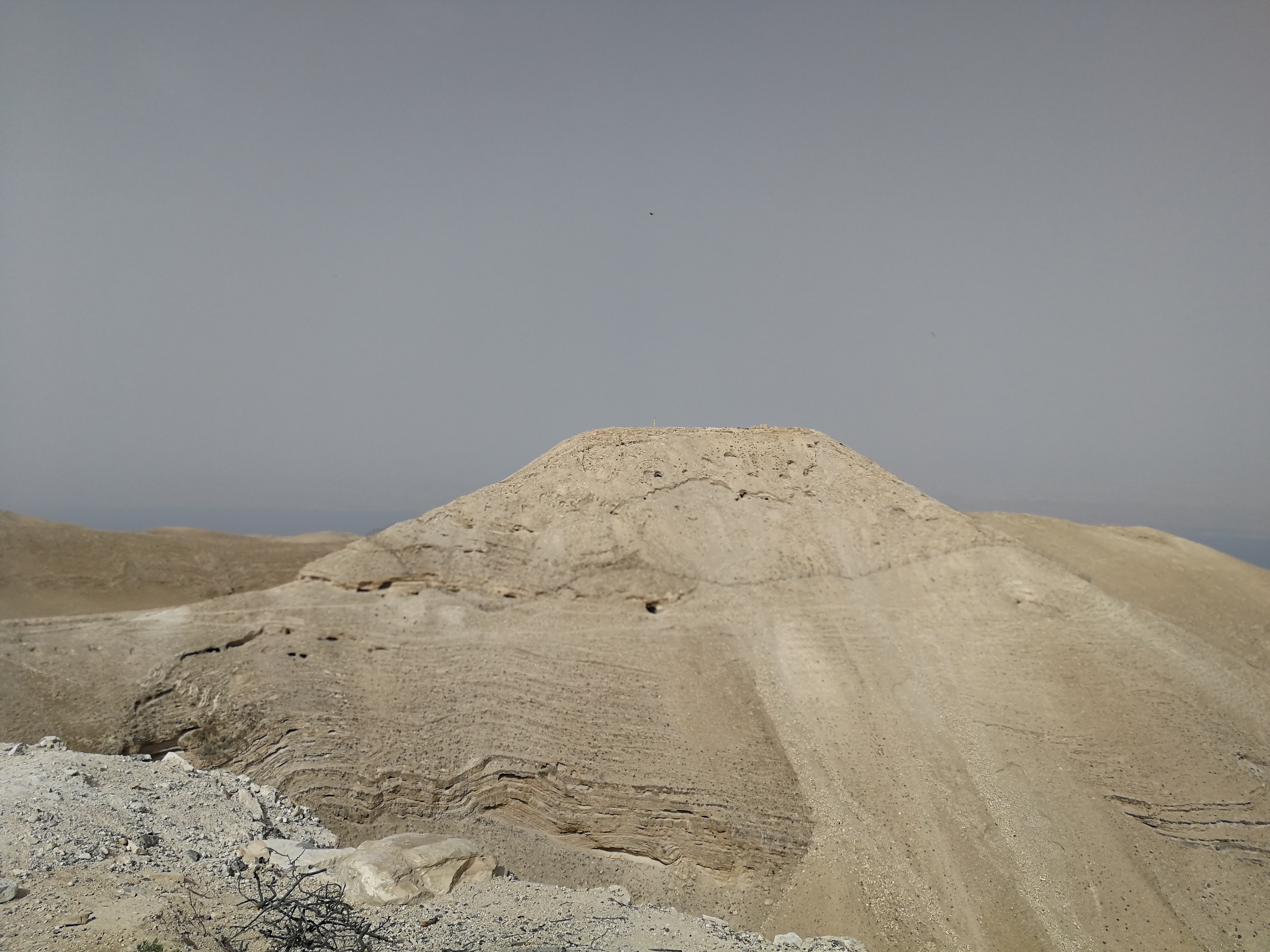
Josephus wrote: “Now when Alexander [Janneus], the king of the Jews, observed the nature of this place, he was the first who built a citadel here, which afterwards was demolished by Gabinius, when he made war against Aristobulus. But when Herod came to be king, he thought the place to be worthy of the utmost regard, and of being built upon in the firmest manner, and this especially because it lay so near to Arabia; for it is seated in a convenient place on that account, and hath a prospect toward that country; he therefore surrounded a large space of ground with walls and towers, and built a city there, out of which city there was a way that led up to the very citadel itself on the top of the mountain; nay, more than this, he built a wall round that top of the hill, and erected towers at the corners, of a hundred and sixty cubits high; in the middle of which place he built a palace, after a magnificent manner, wherein were large and beautiful edifices. He also made a great many reservoirs for the reception of water, that there might be plenty of it ready for all uses, and those in the properest places that were afforded him there. Thus did he, as it were, contend with the nature of the place, that he might exceed its natural strength and security (which yet itself rendered it hard to be taken) by those fortifications which were made by the hands of men. Moreover, he put a large quantity of darts and other machines of war into it, and contrived to get everything thither that might any way contribute to its inhabitants’ security, under the longest siege possible.” (Wars 7.6.2)
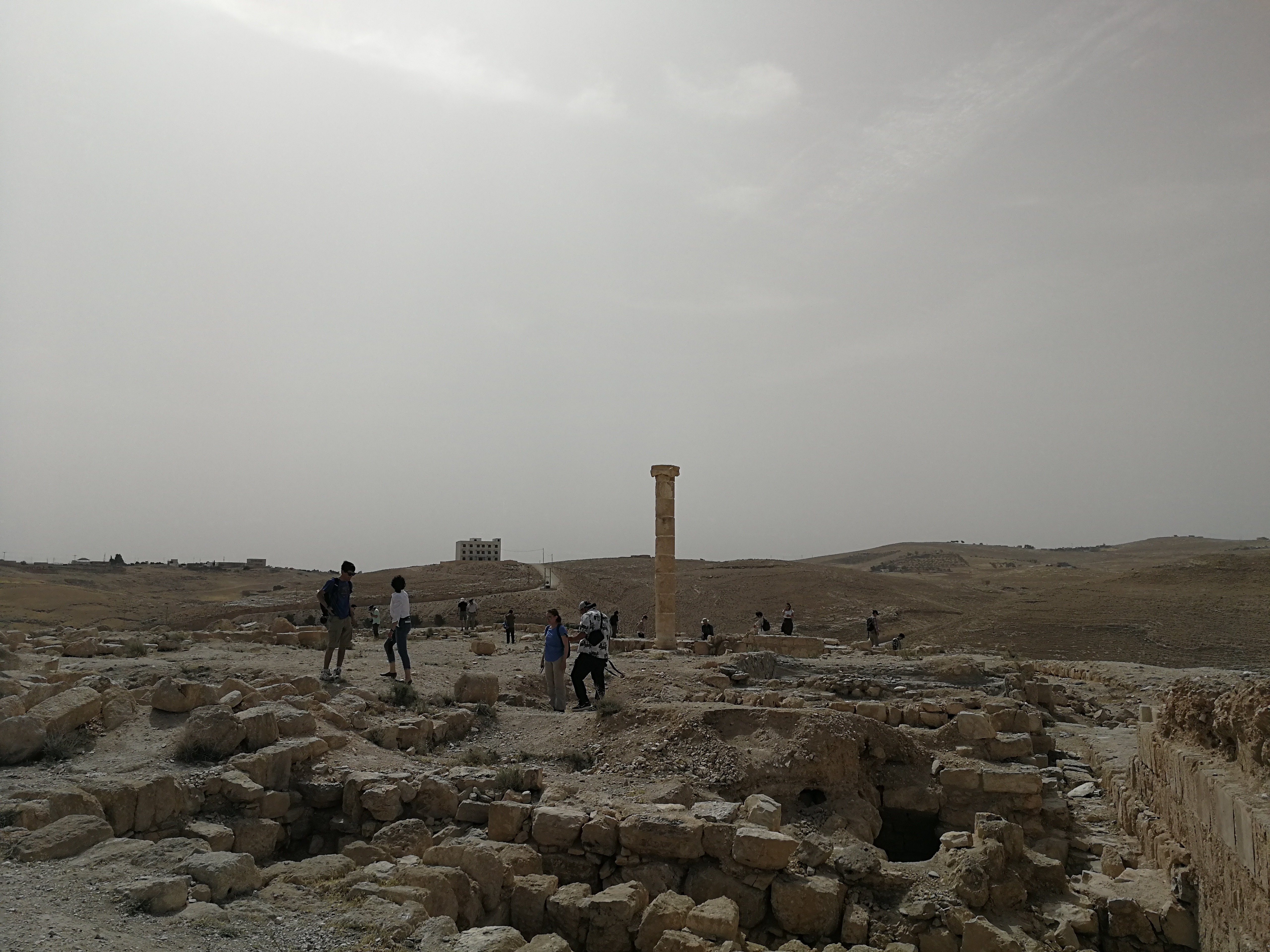
Over 50 years of archaeological research have provided evidence of a sizeable palatial structure, emphasising fortification and water cisterns.
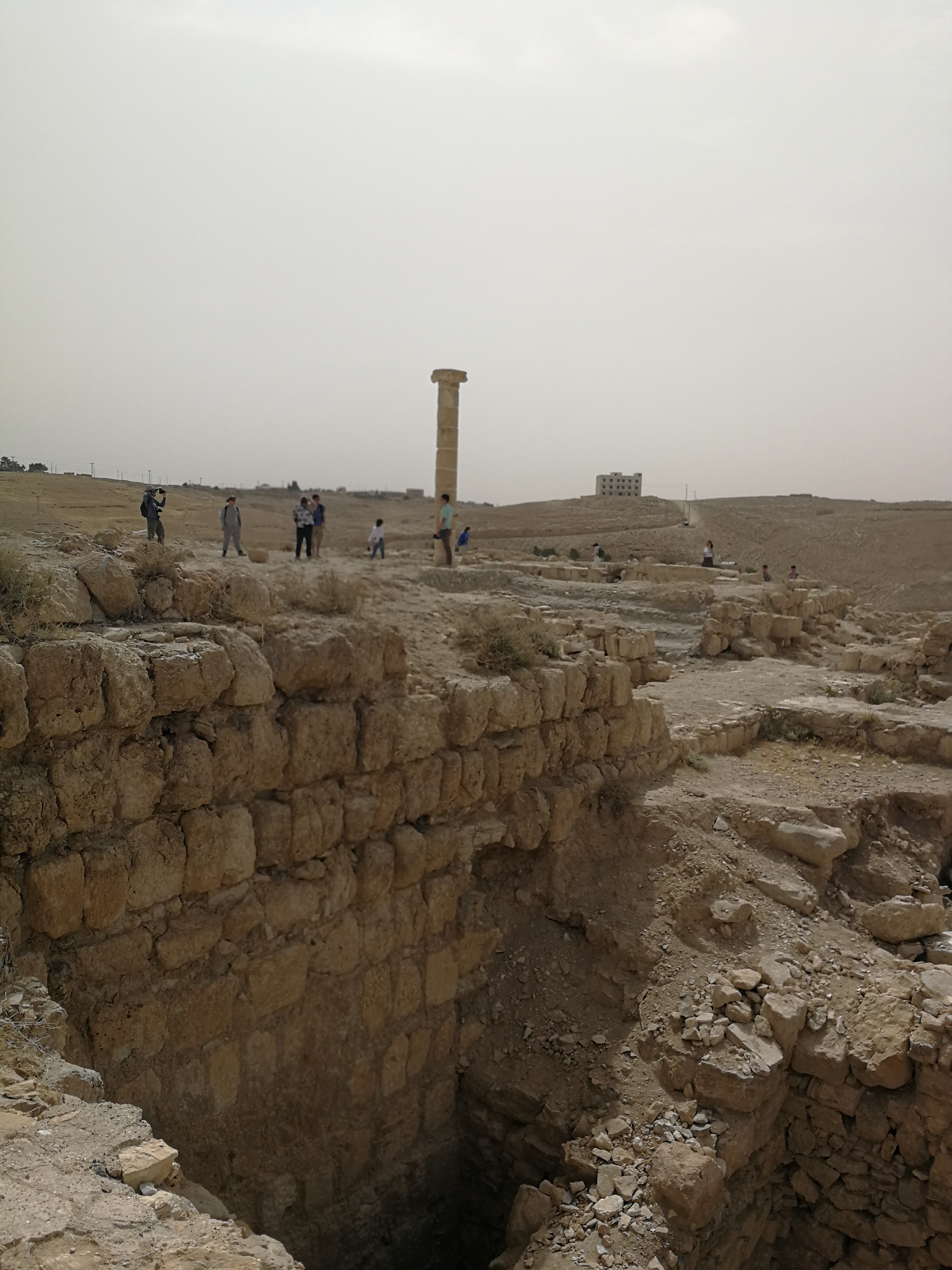
Archaeological excavations focused on the top hill and fortified area.

A large courtyard, rooms and an elaborate bath were uncovered.
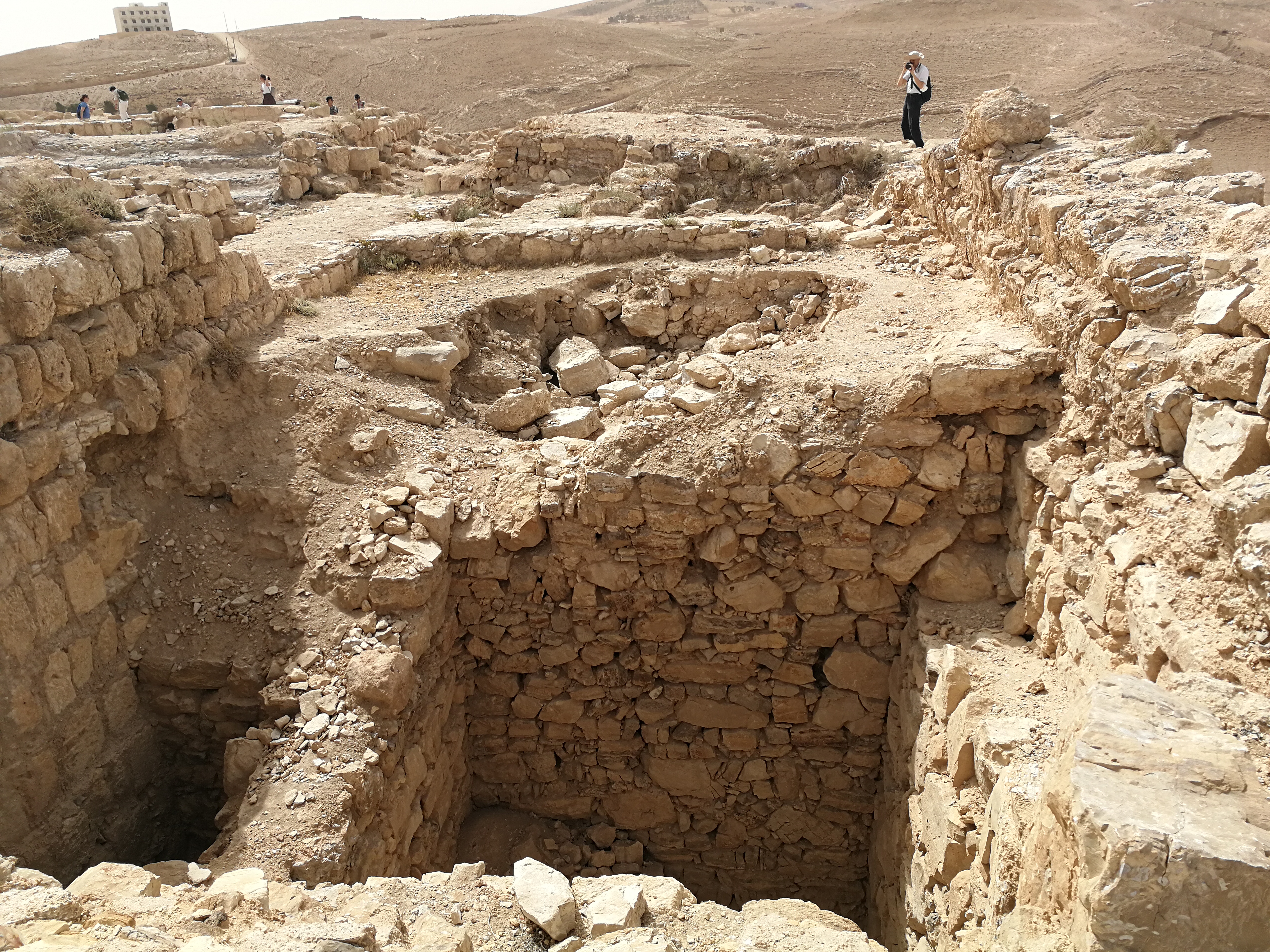
Ruins of a Herodian palace.
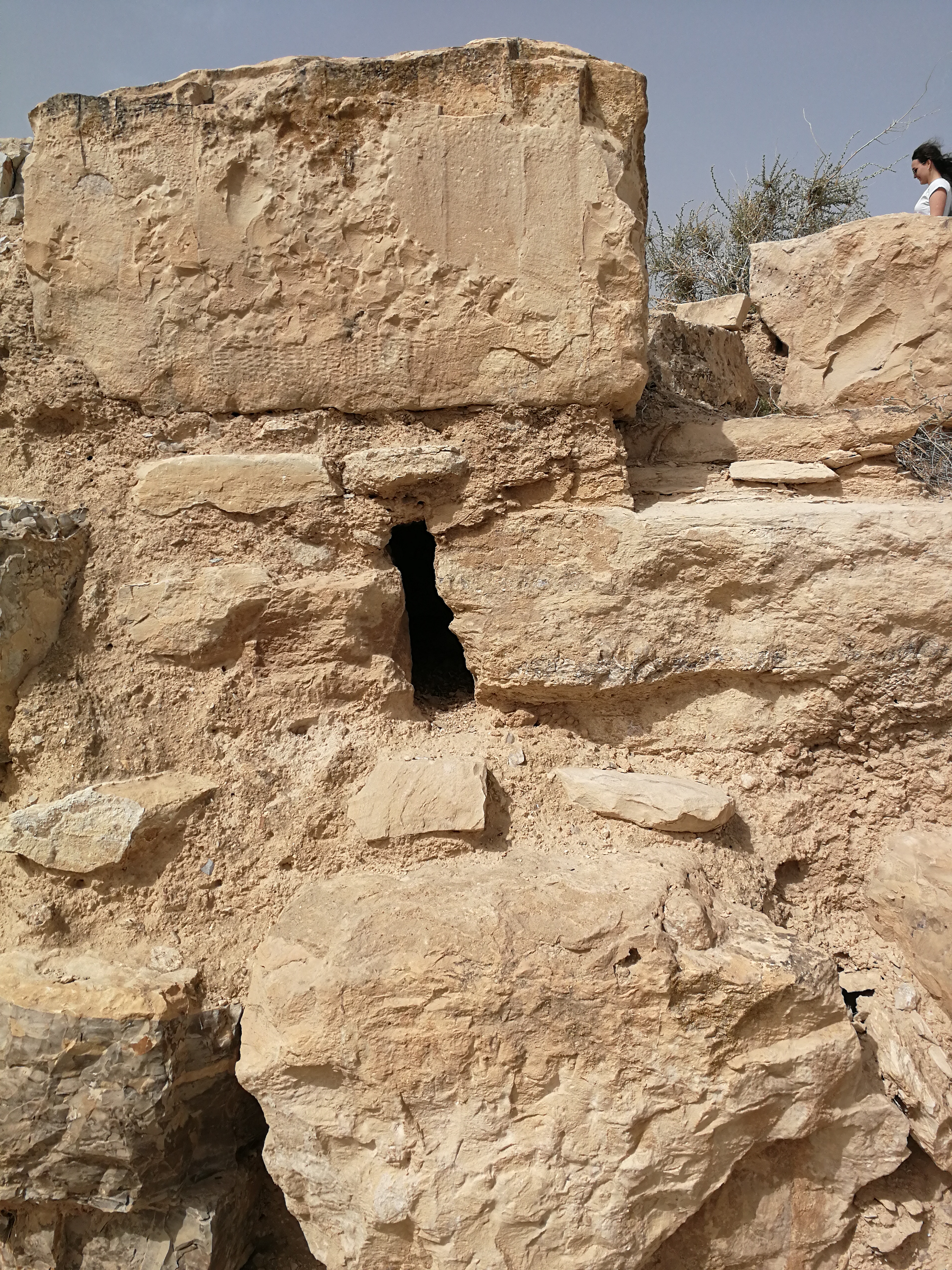
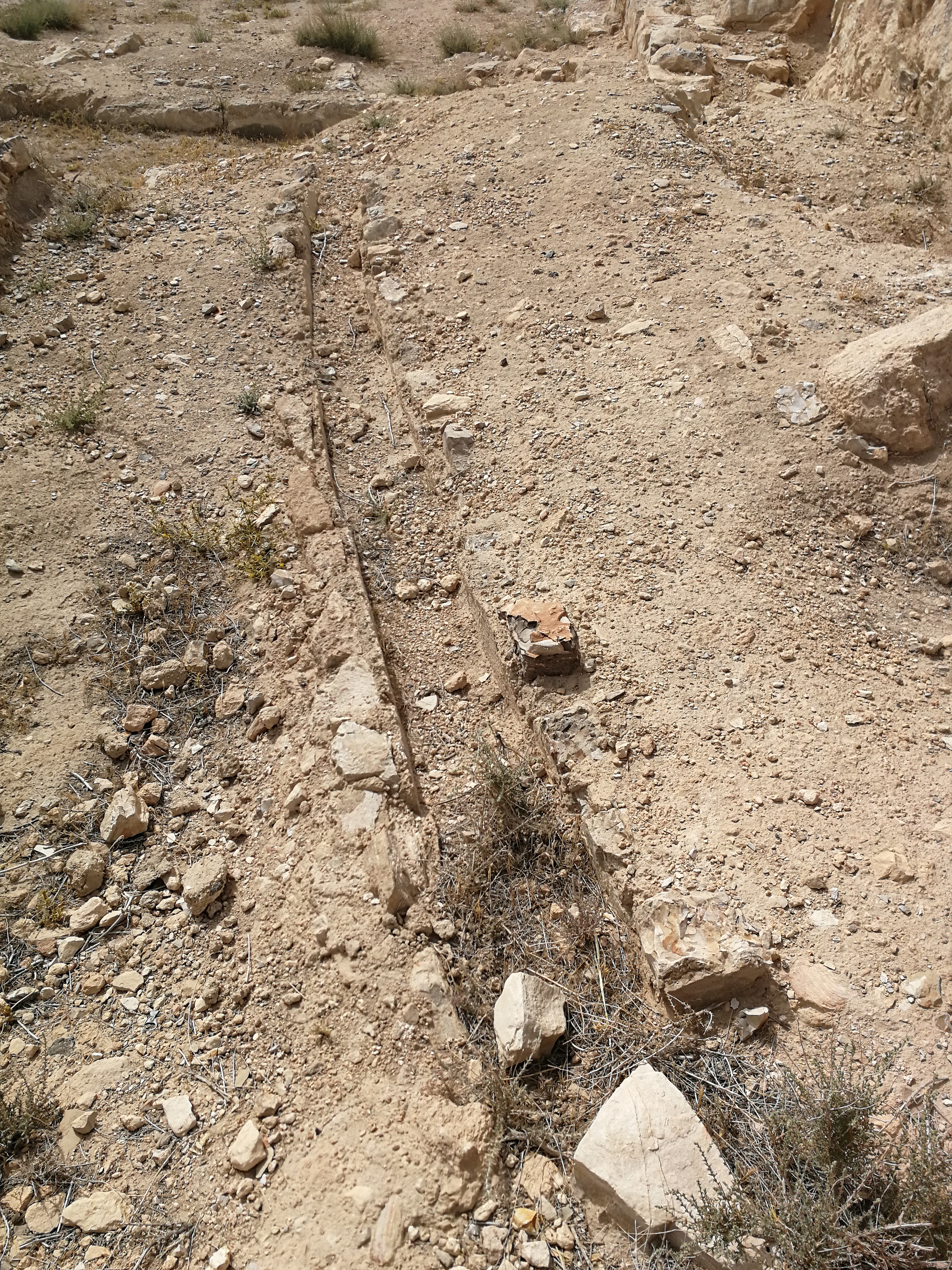
The aqueduct that brought water to the cisterns of the fortress is traceable.
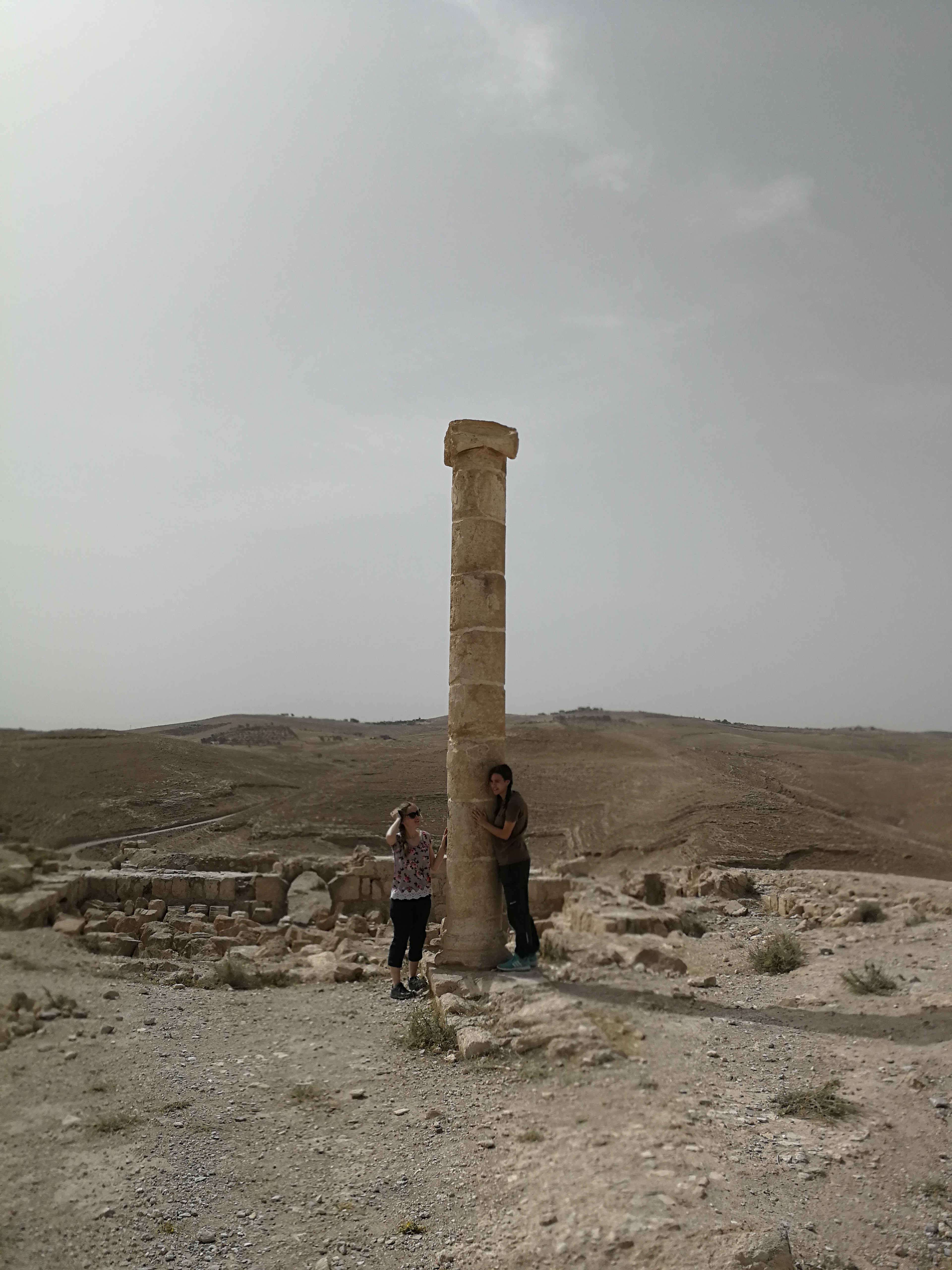
One of the restored columns.
Happy faces of young archaeologists.
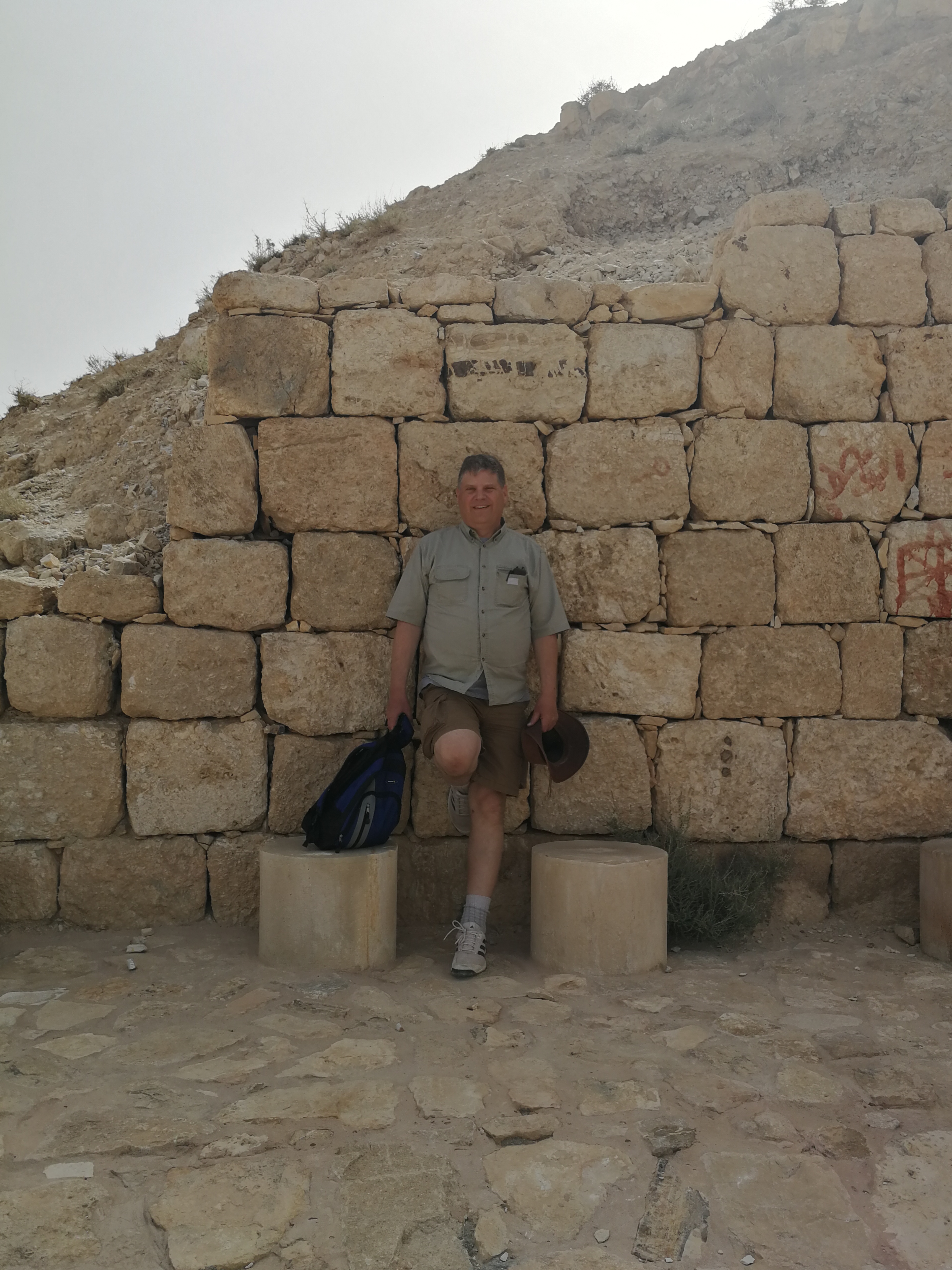
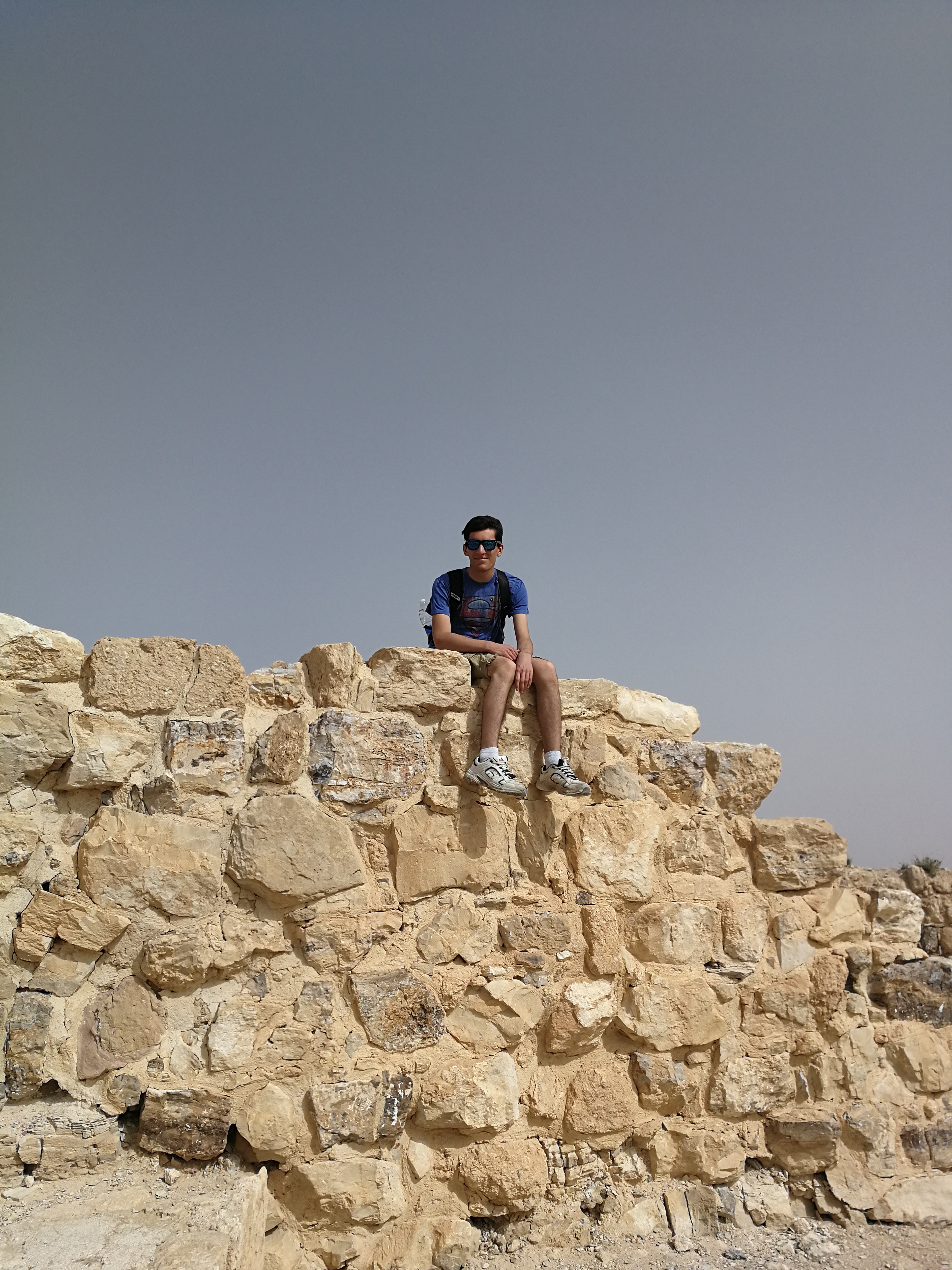
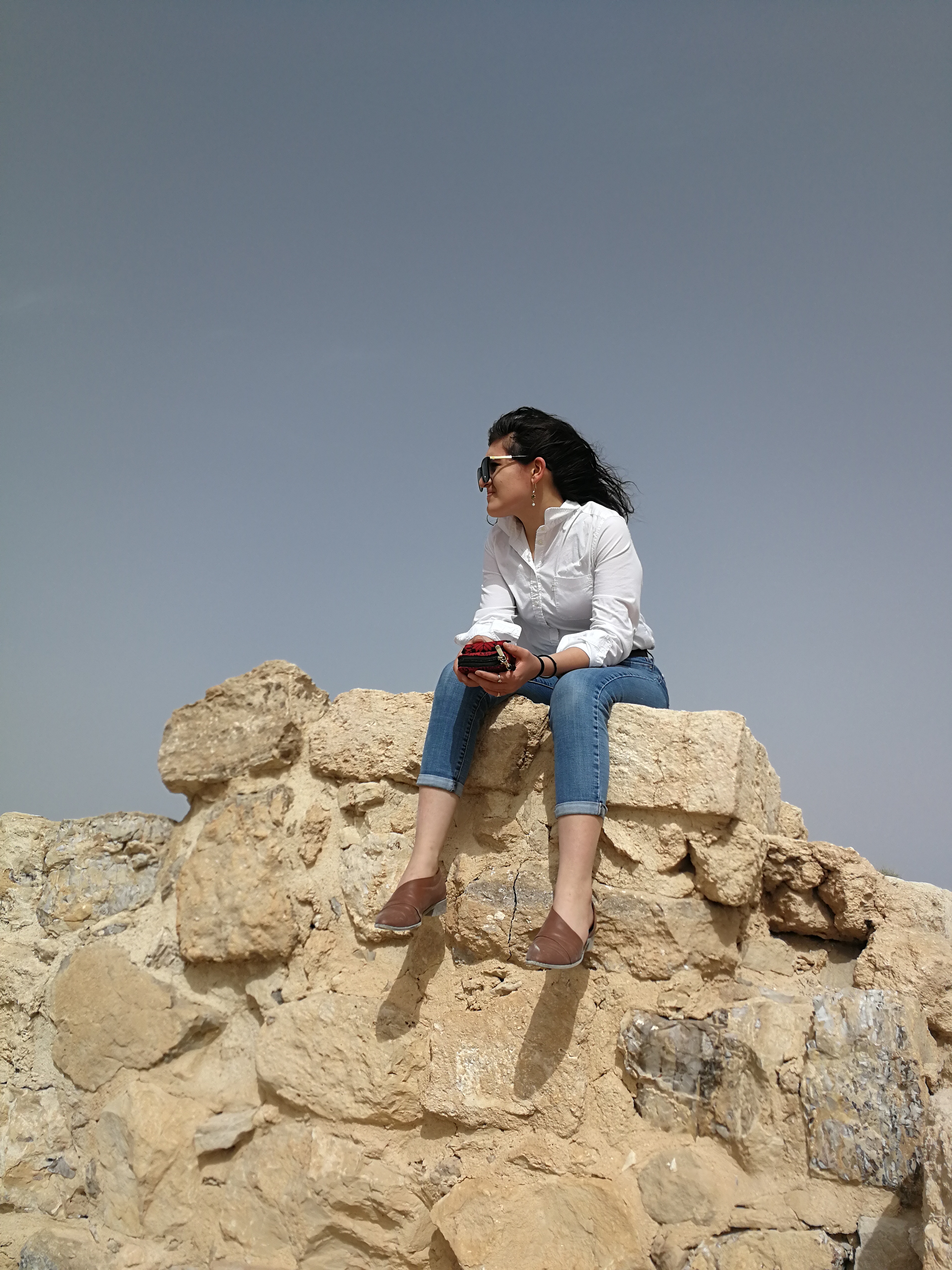
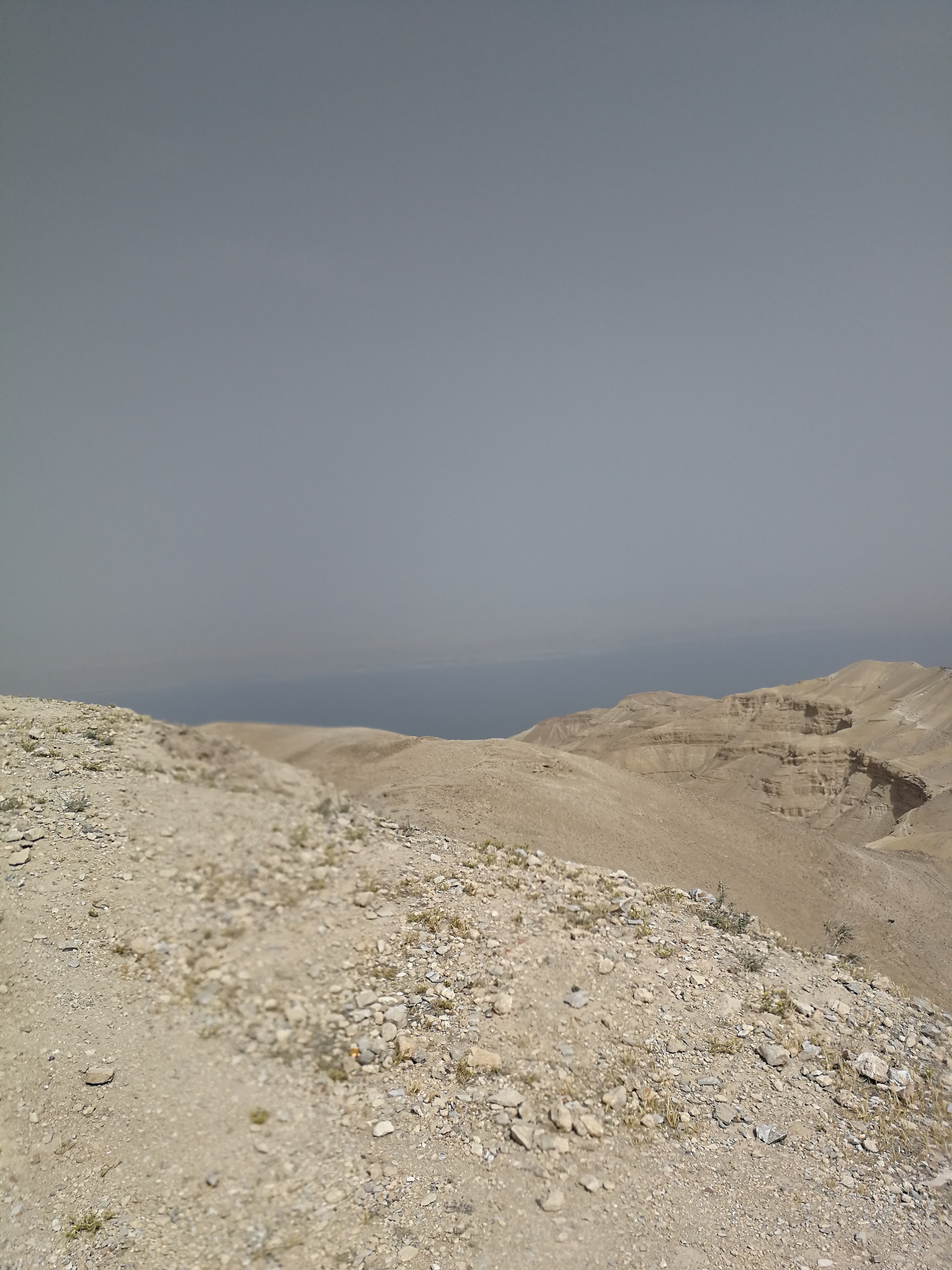
It is difficult to admire the building process of such magnificent proportions in the harsh realities of this environment and not to be in awe of the view this place provides. Although the weather was not favourable, we could still enjoy the idea of the Dead Sea.
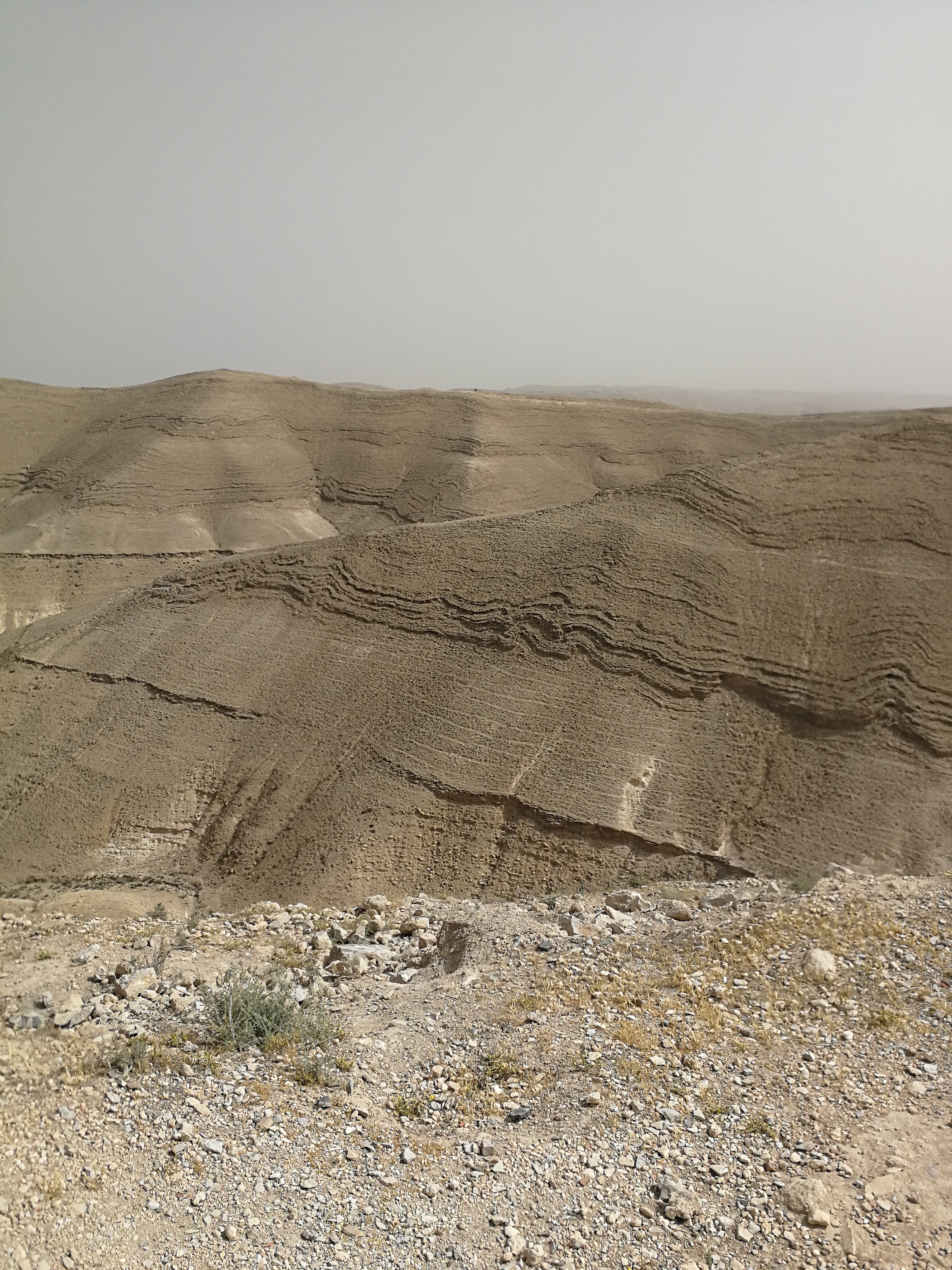
Some of the walls and structures were uncovered outside of the fortified palace. Some of them could be dated to the lower city that Josephus described in his work, but most are just caves converted into coverts or temporary homes for Beduins.