During the excavation archaeologists collect pottery for several reasons as these artefacts offer valuable insights in the past societies that produced them.
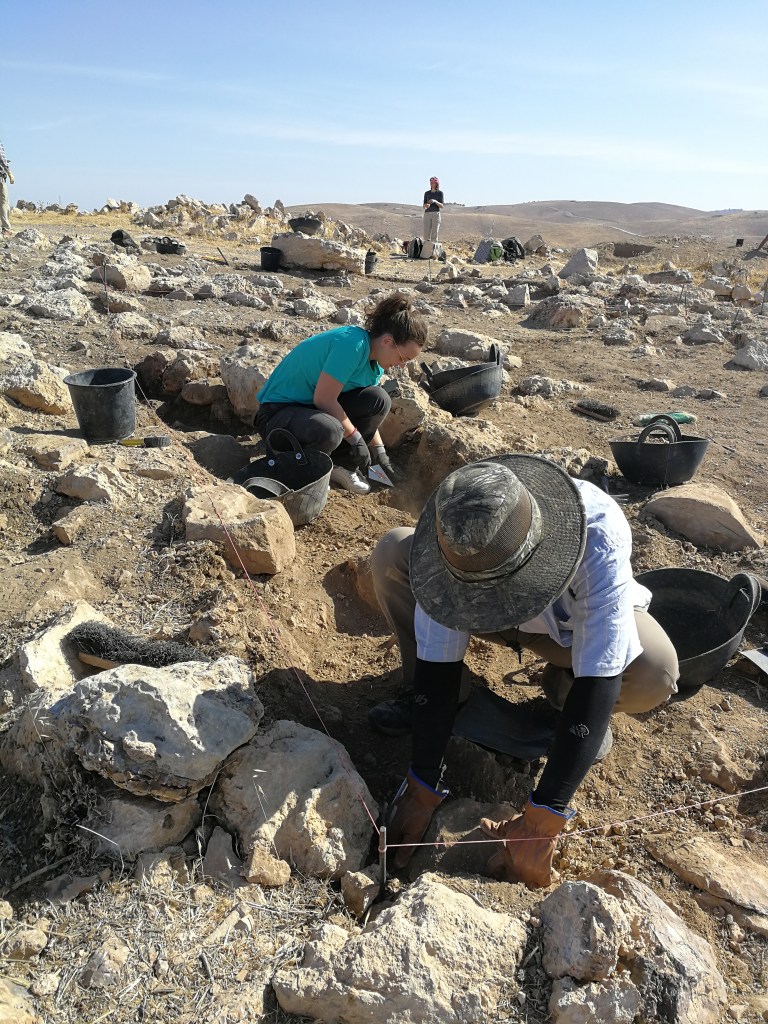
Collecting pottery allows archaeologists to conserve and preserve these artefacts for future generations. Properly documented, stored, and displayed pottery can provide the public and other researchers with valuable educational resources.
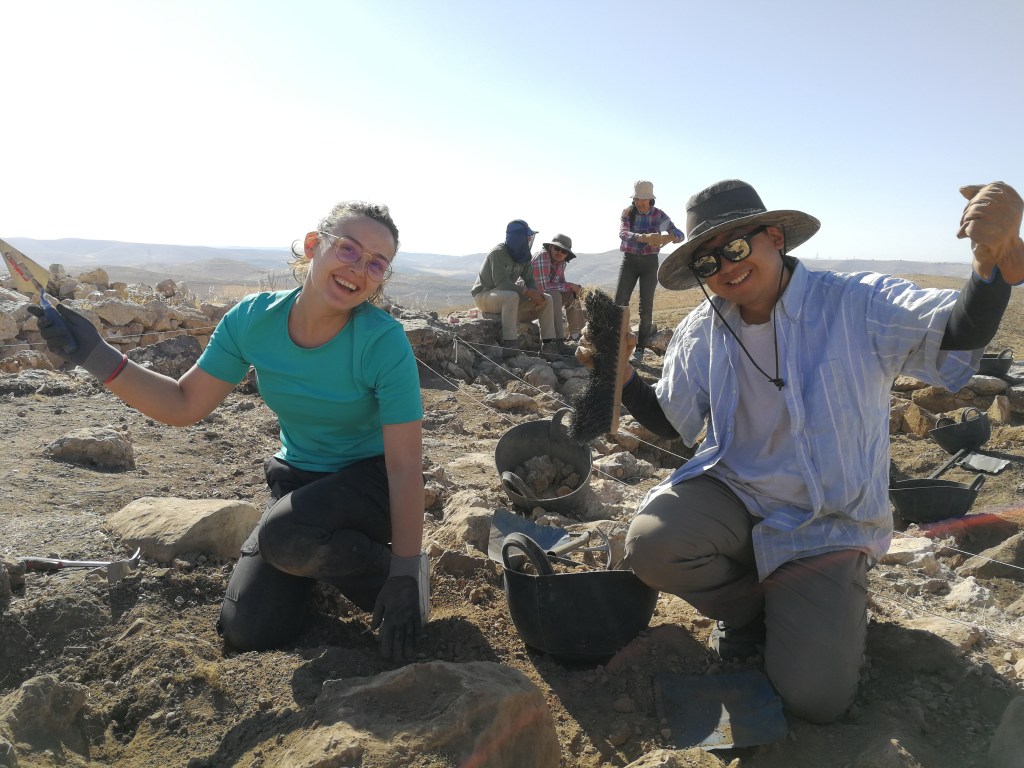
Digging the dirt and collecting broken pottery pieces is a significant part of the field work.
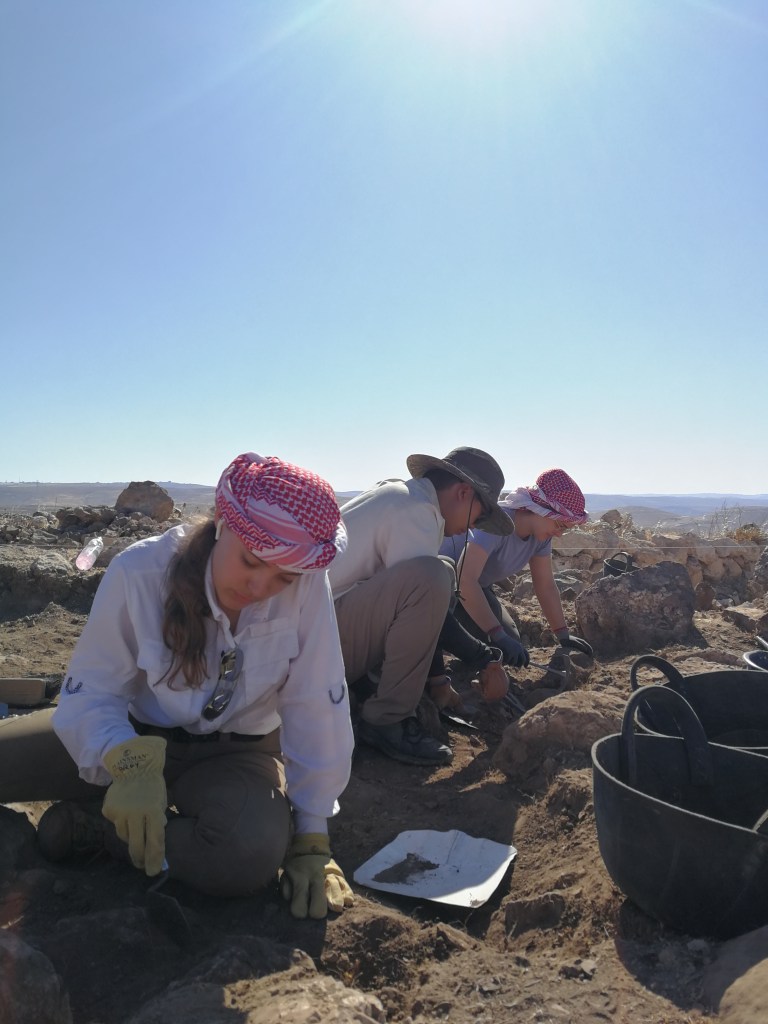
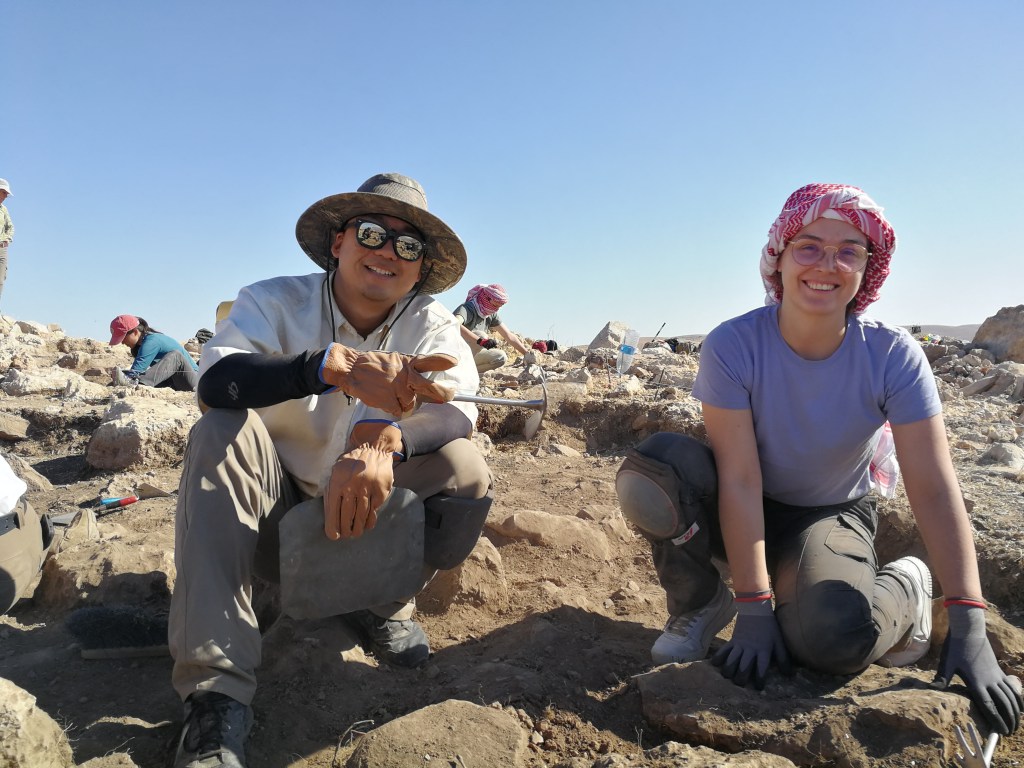
Pottery is a valuable resource for archaeologists as it can contribute to a more comprehensive understanding of ancient societies, their cultures, their relationships, and their environment.
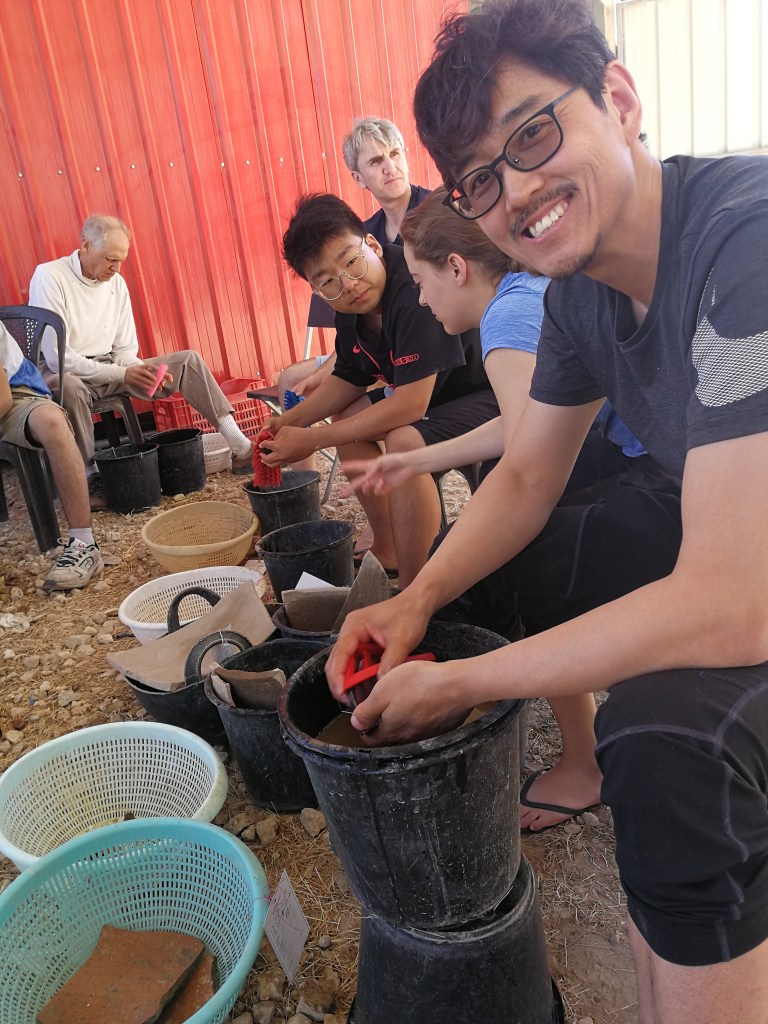
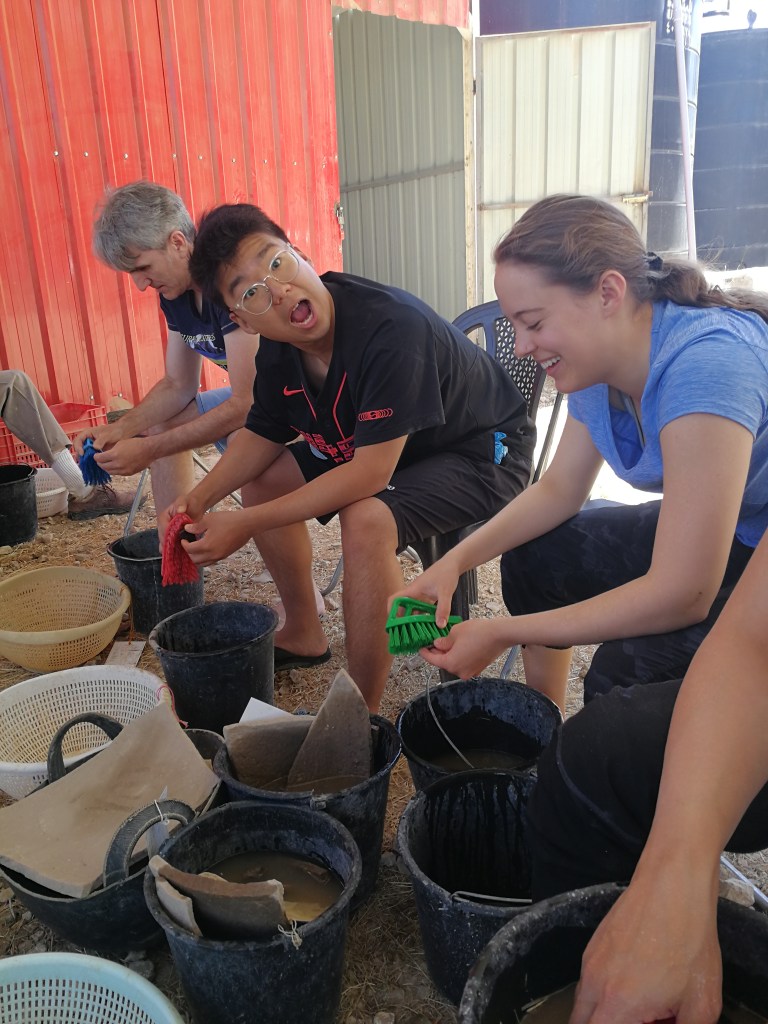
After collecting the pottery at the site, all the sherds must be washed by our enthusiastic students and volunteers.
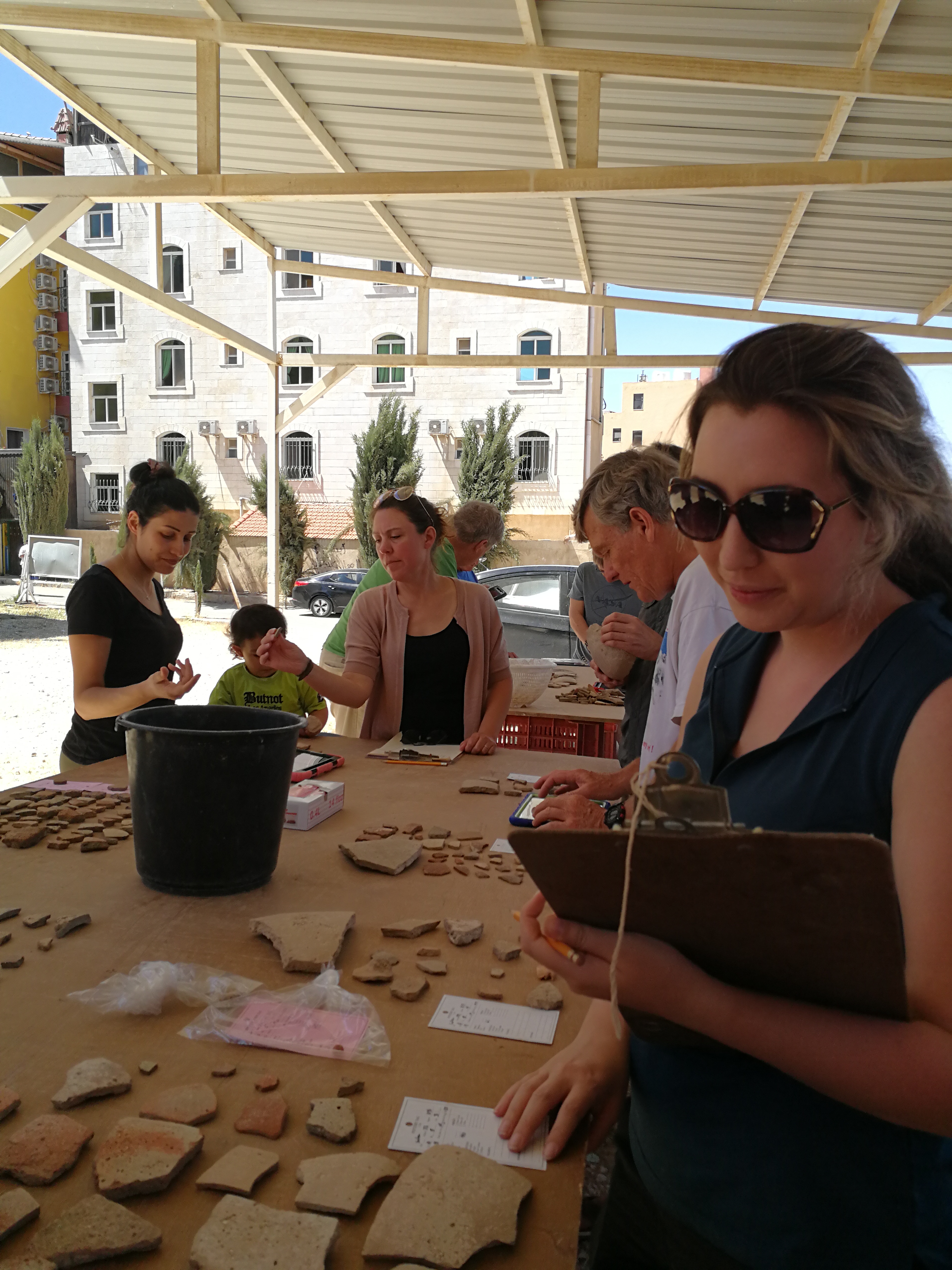
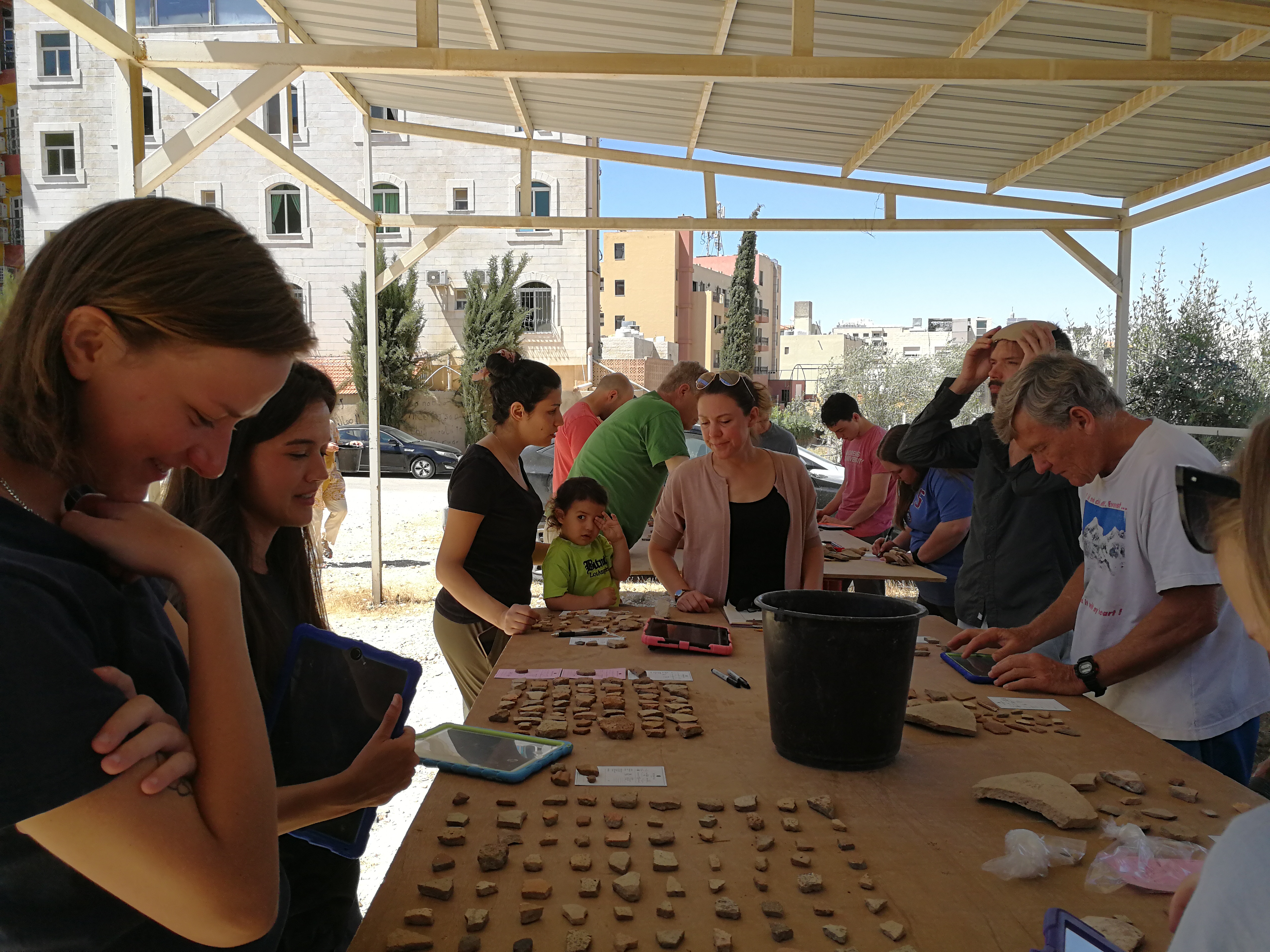
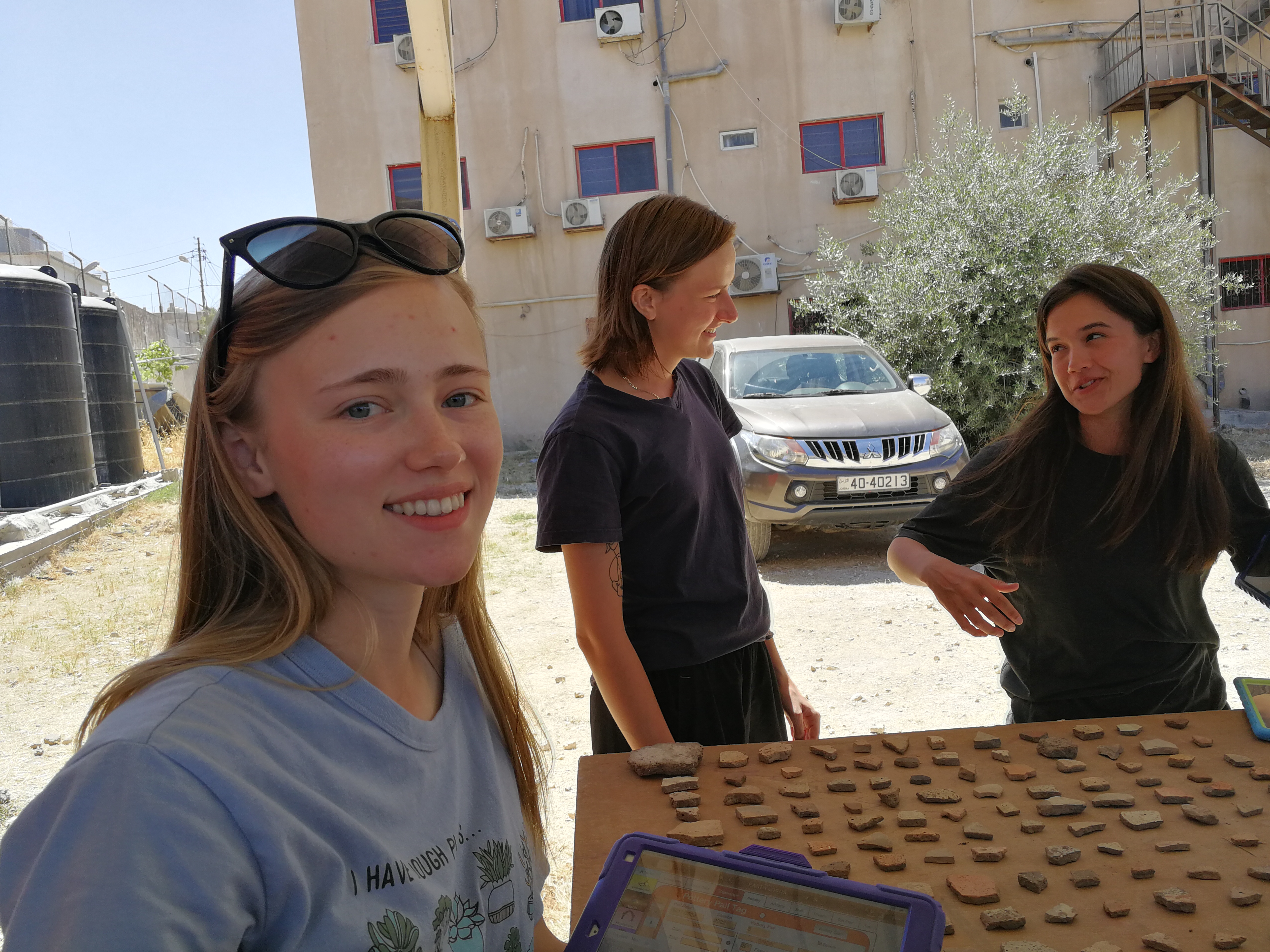
Pottery styles and techniques often change over time, which allows archaeologists to use them as chronological markers. By studying the type and style of pottery, they can estimate the age of a site or layer within the site, helping to build a chronological framework for the archaeological record.
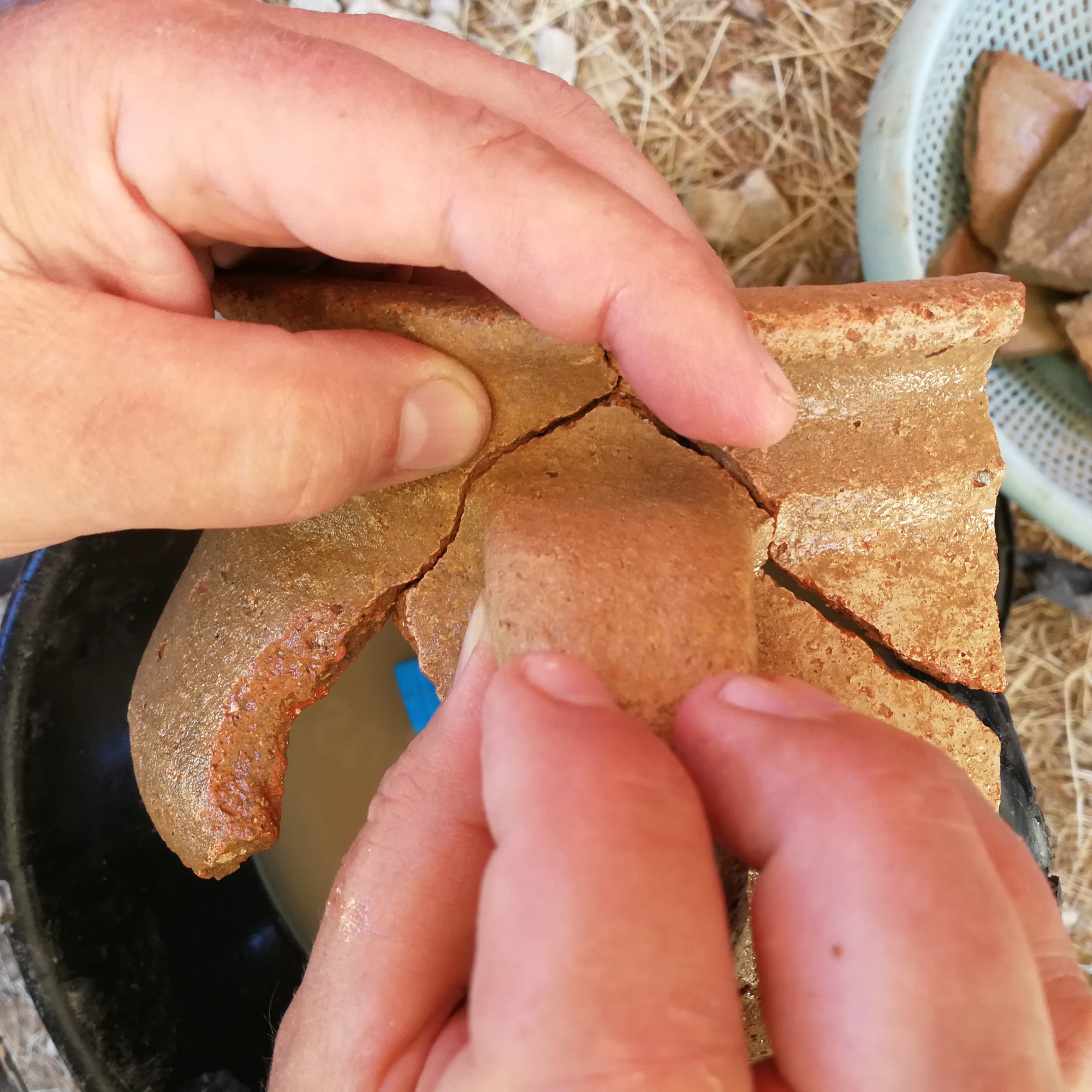
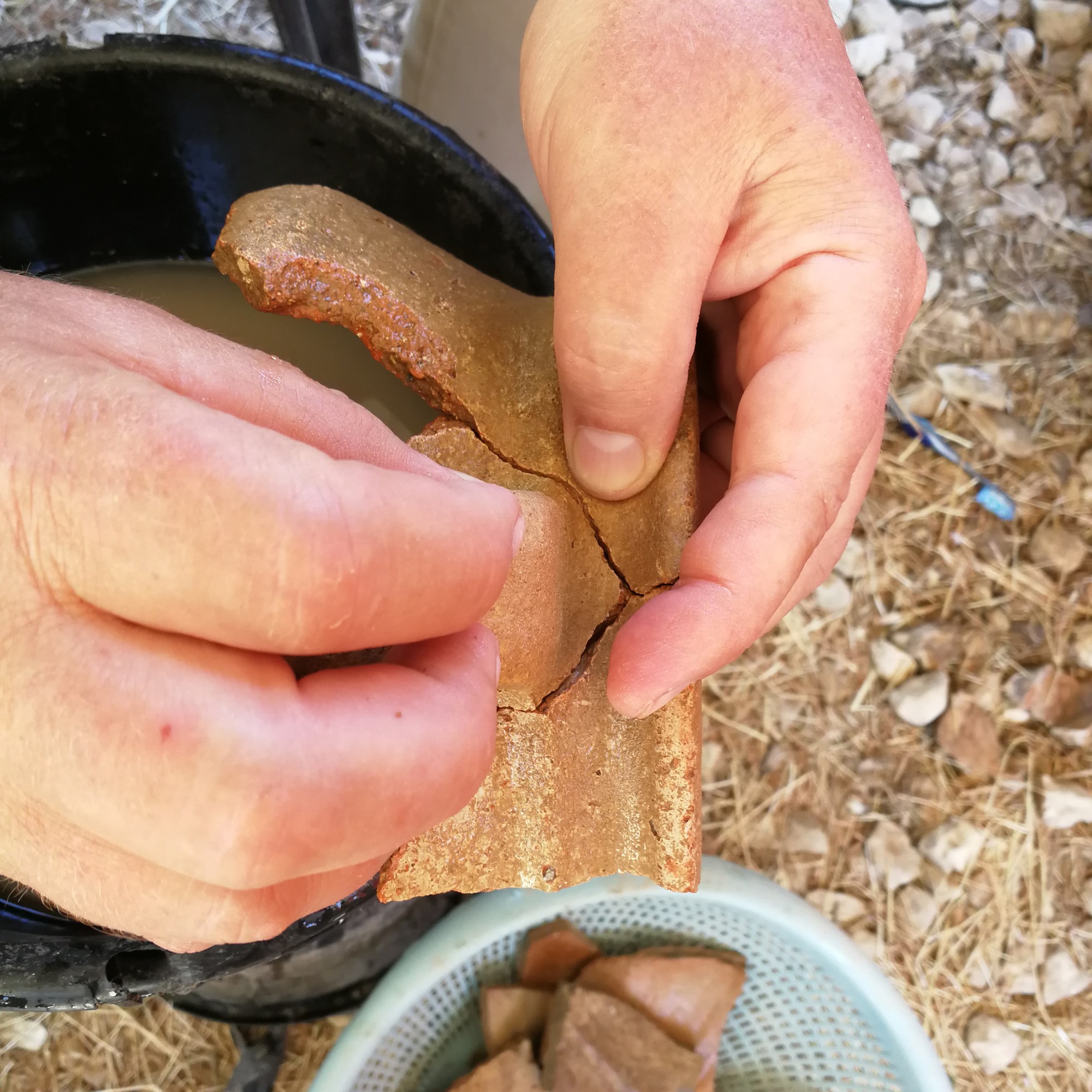
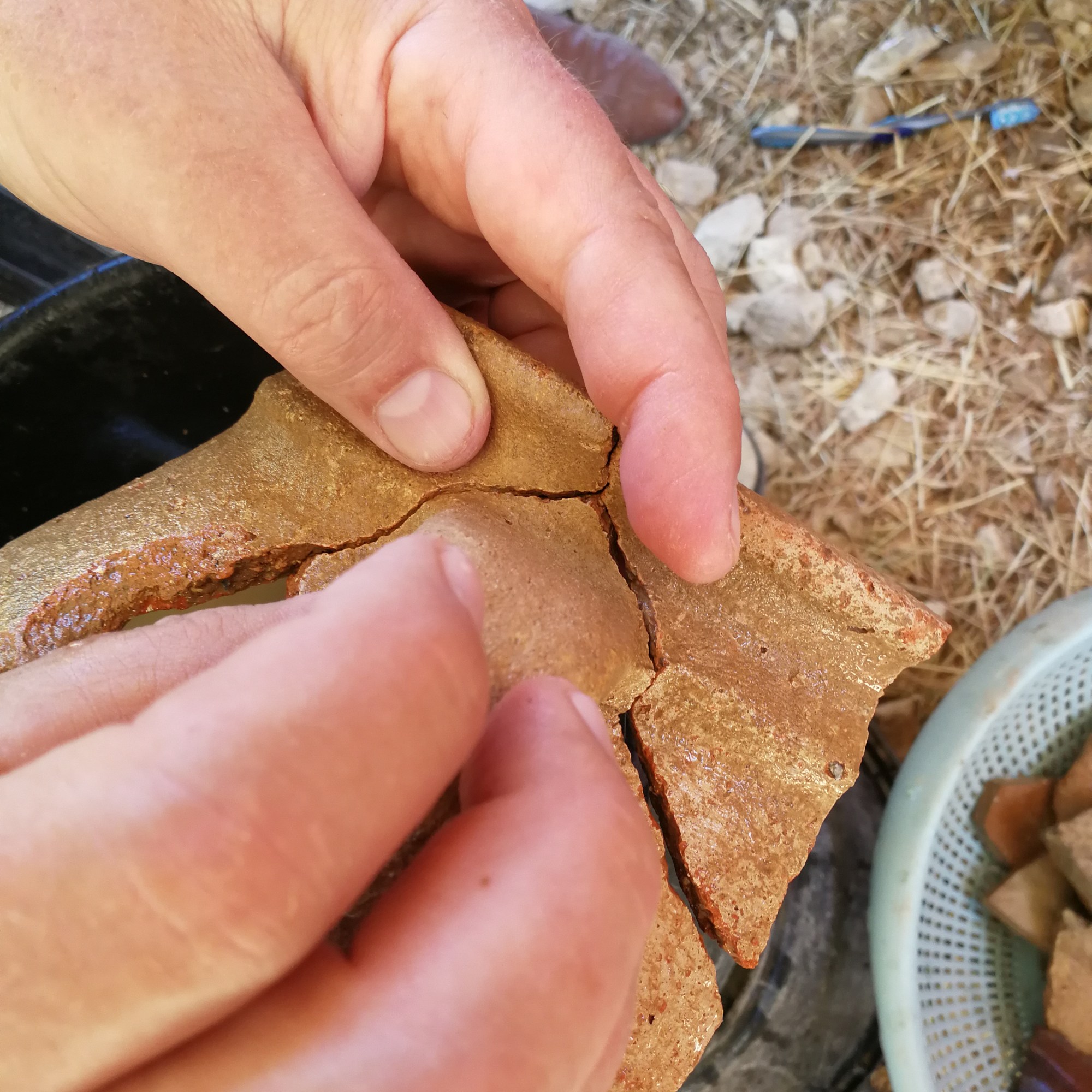
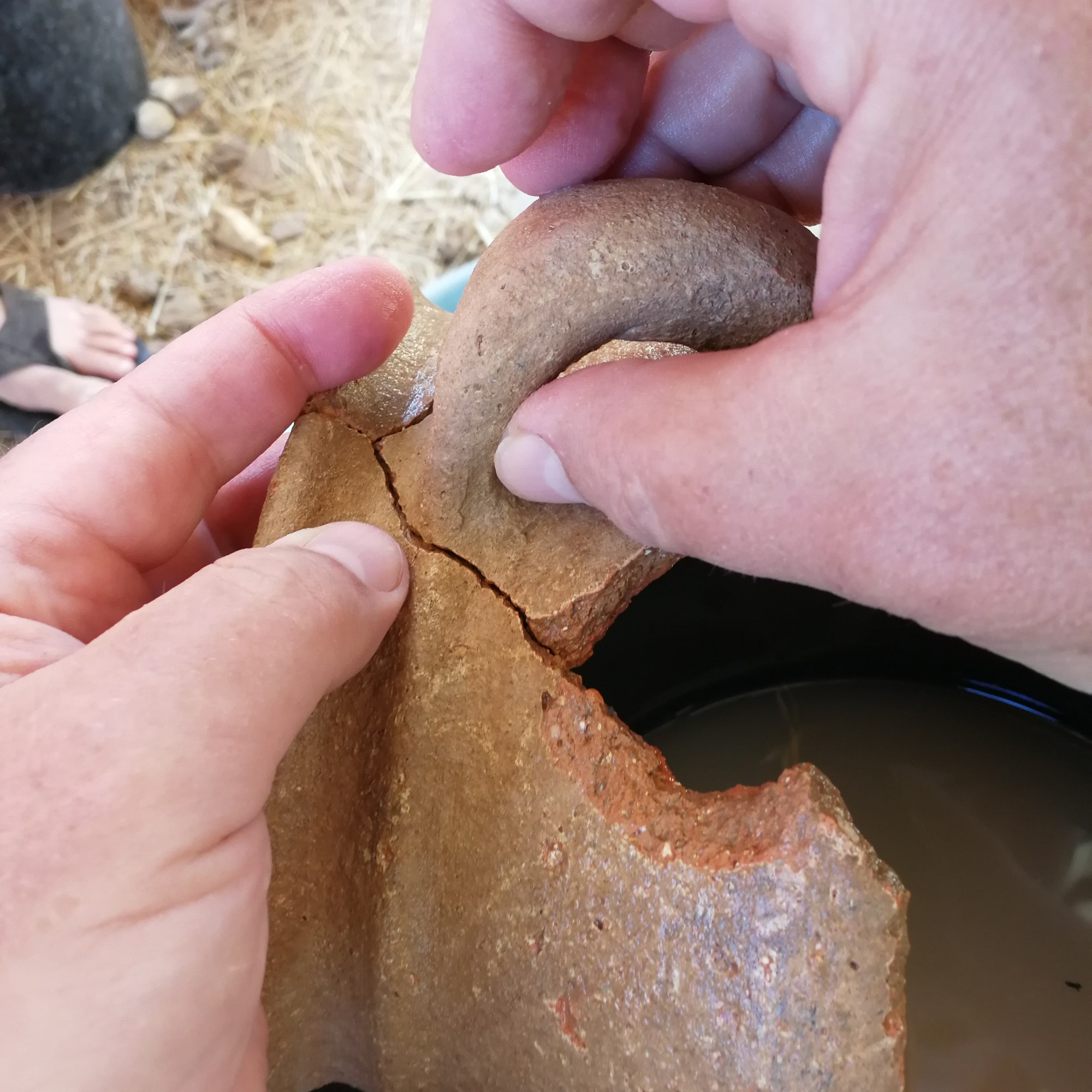
Studying pottery can reveal information about society’s technological advancements and innovations. The methods used to produce ceramics, such as firing techniques or the use of the potter’s wheel, can offer a glimpse into a culture’s level of technological sophistication.
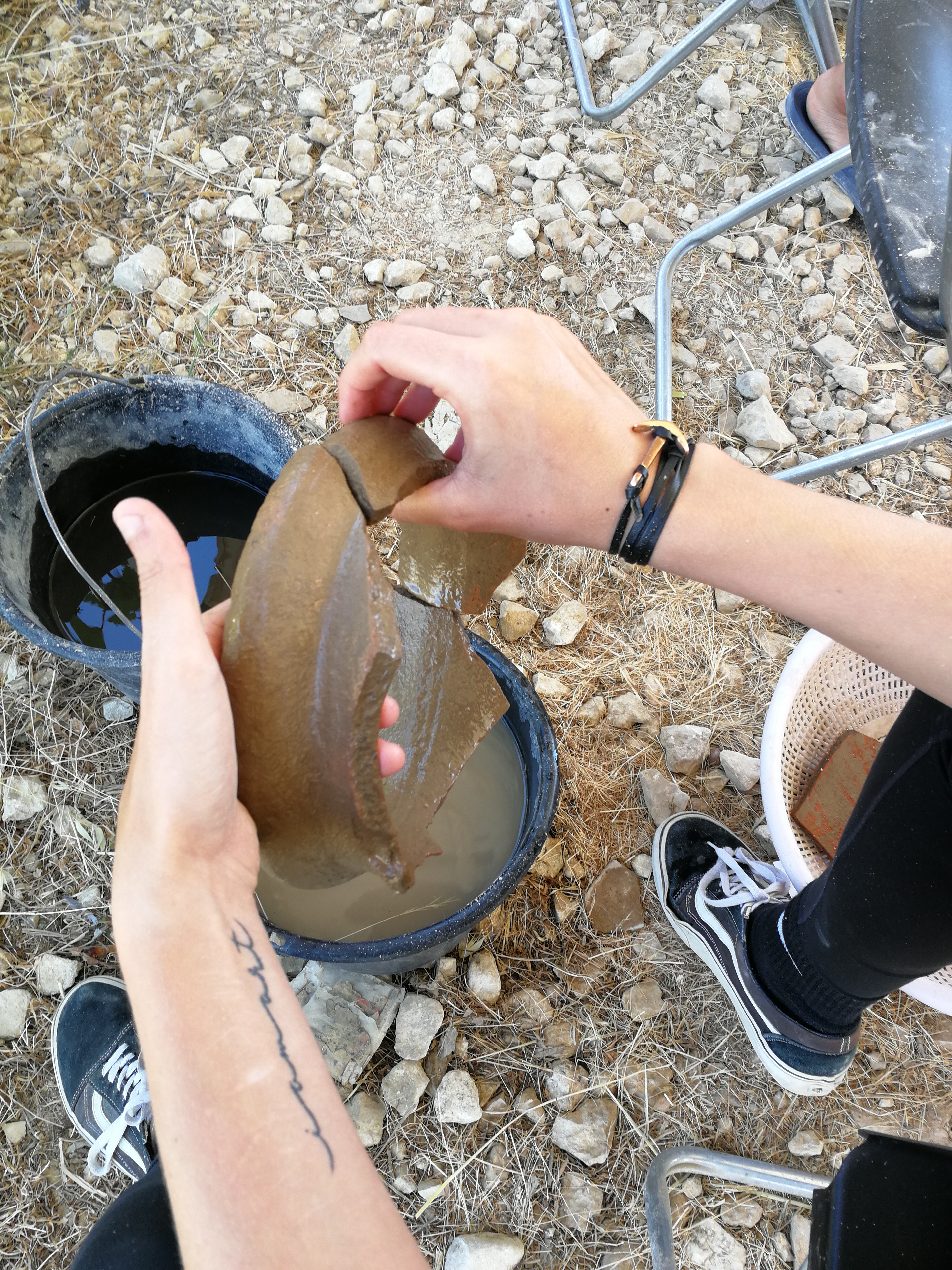
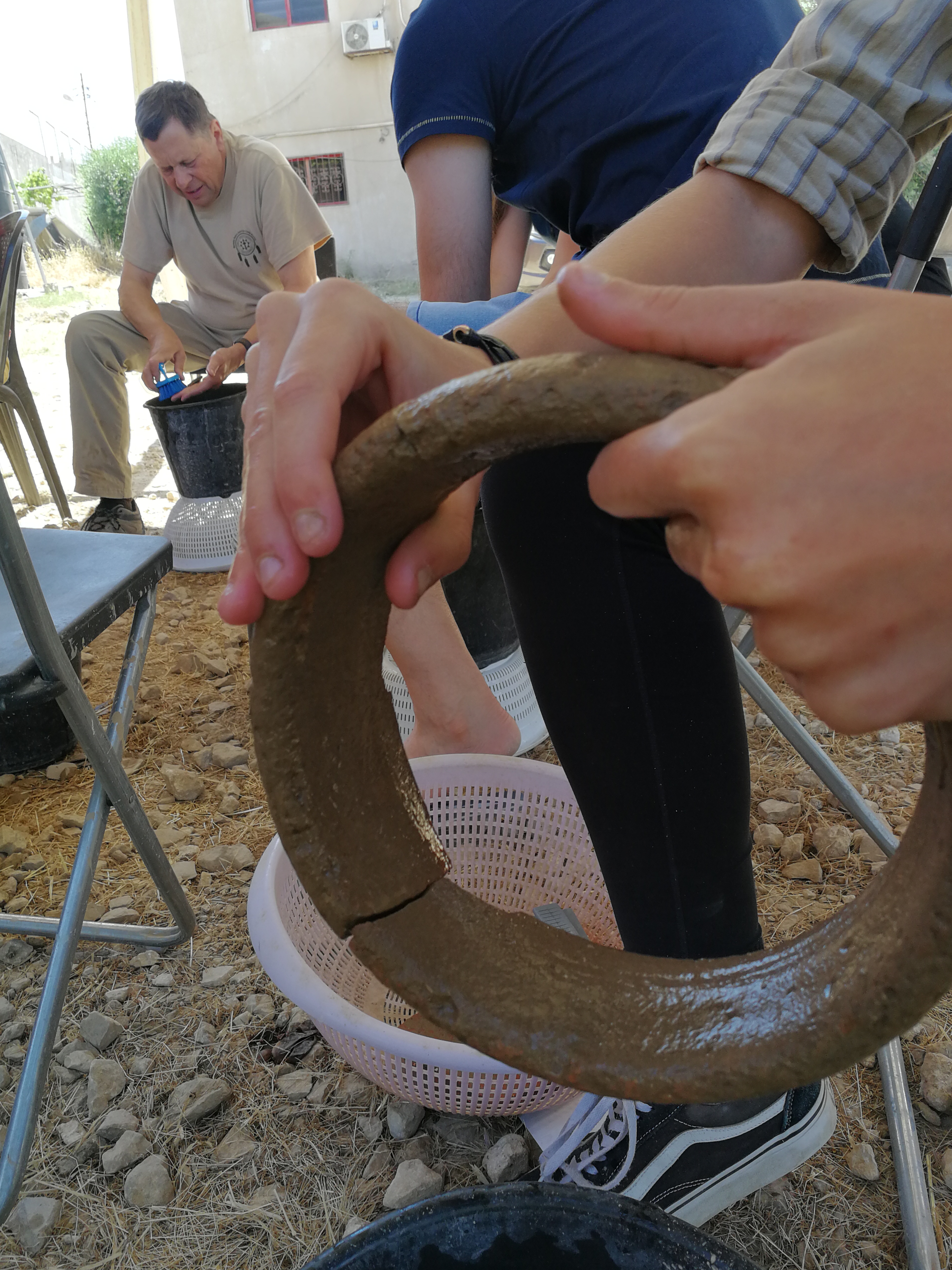
Pottery can provide information about ancient societies’ cultural relationships and trade networks. Similarities in pottery styles or materials can suggest that two or more groups interacted or traded with each other, while differences can indicate different cultural practices or regional variations.
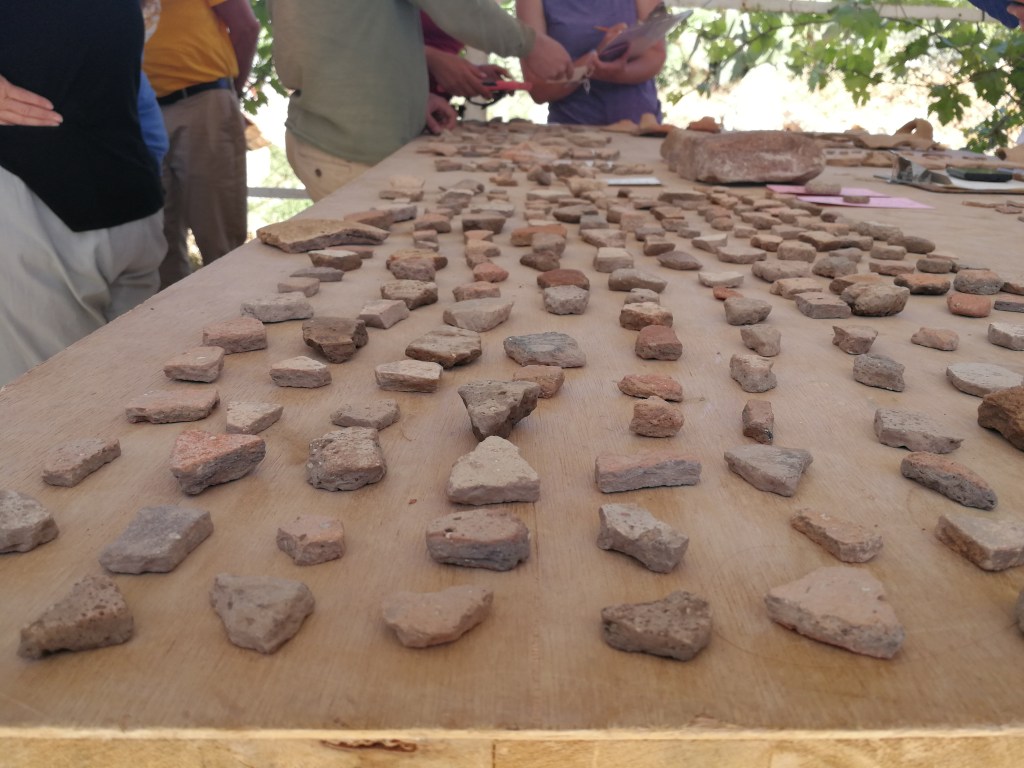
Pottery can help archaeologists reconstruct the environment in which it was produced, as the raw materials used to make the pottery often come from the local area. This information can provide insights into the availability of resources and the environmental conditions at the time.
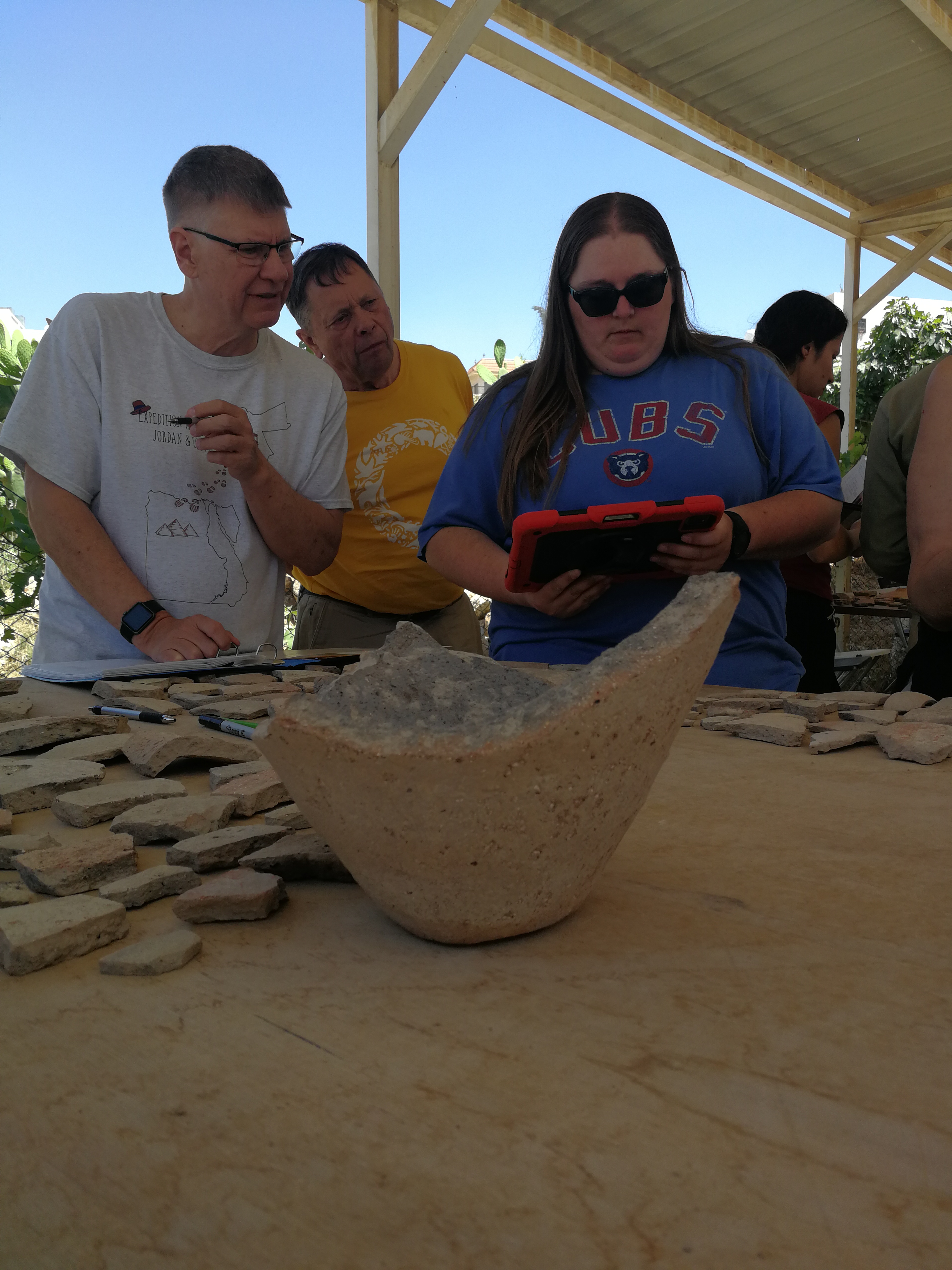
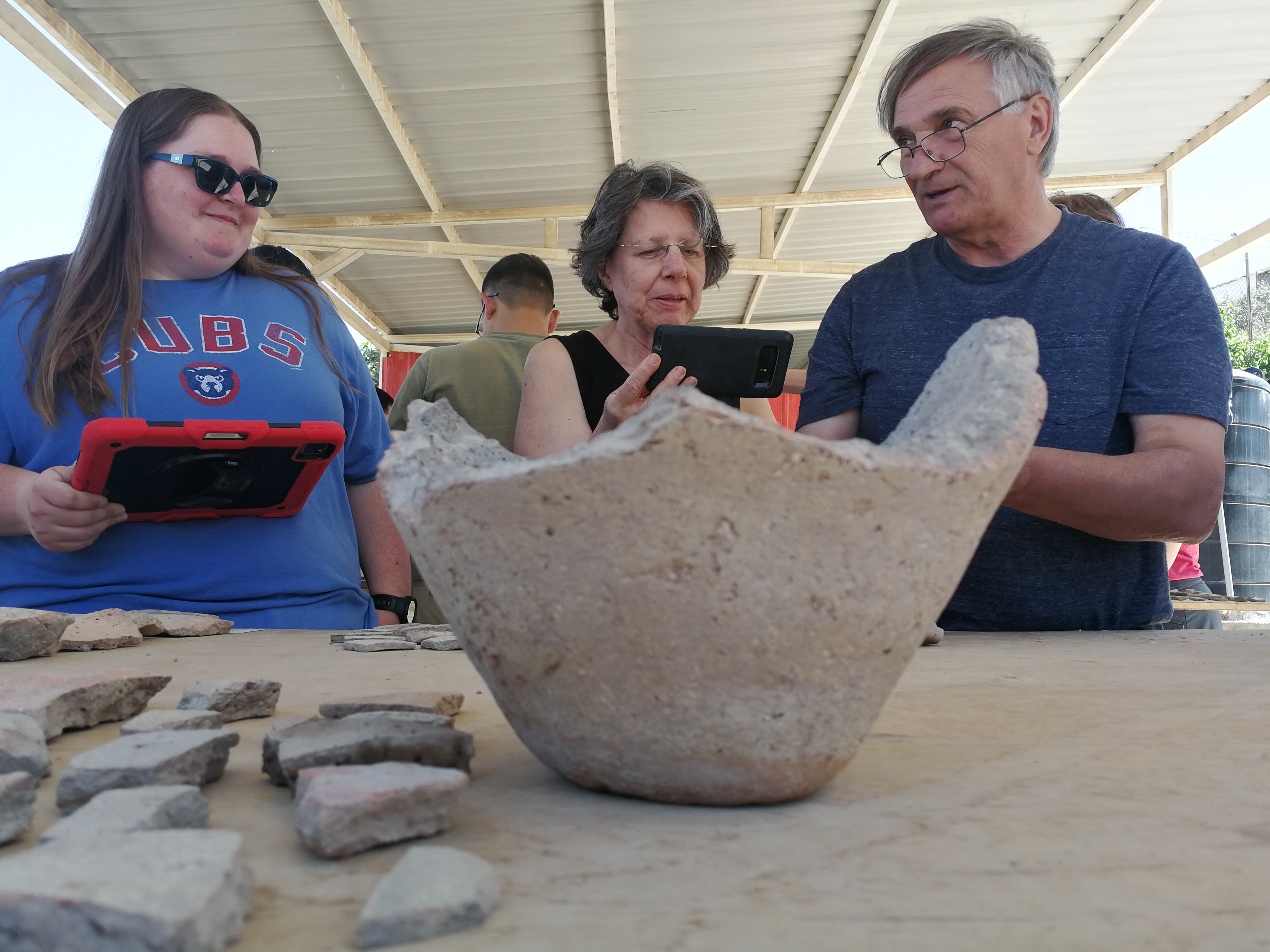
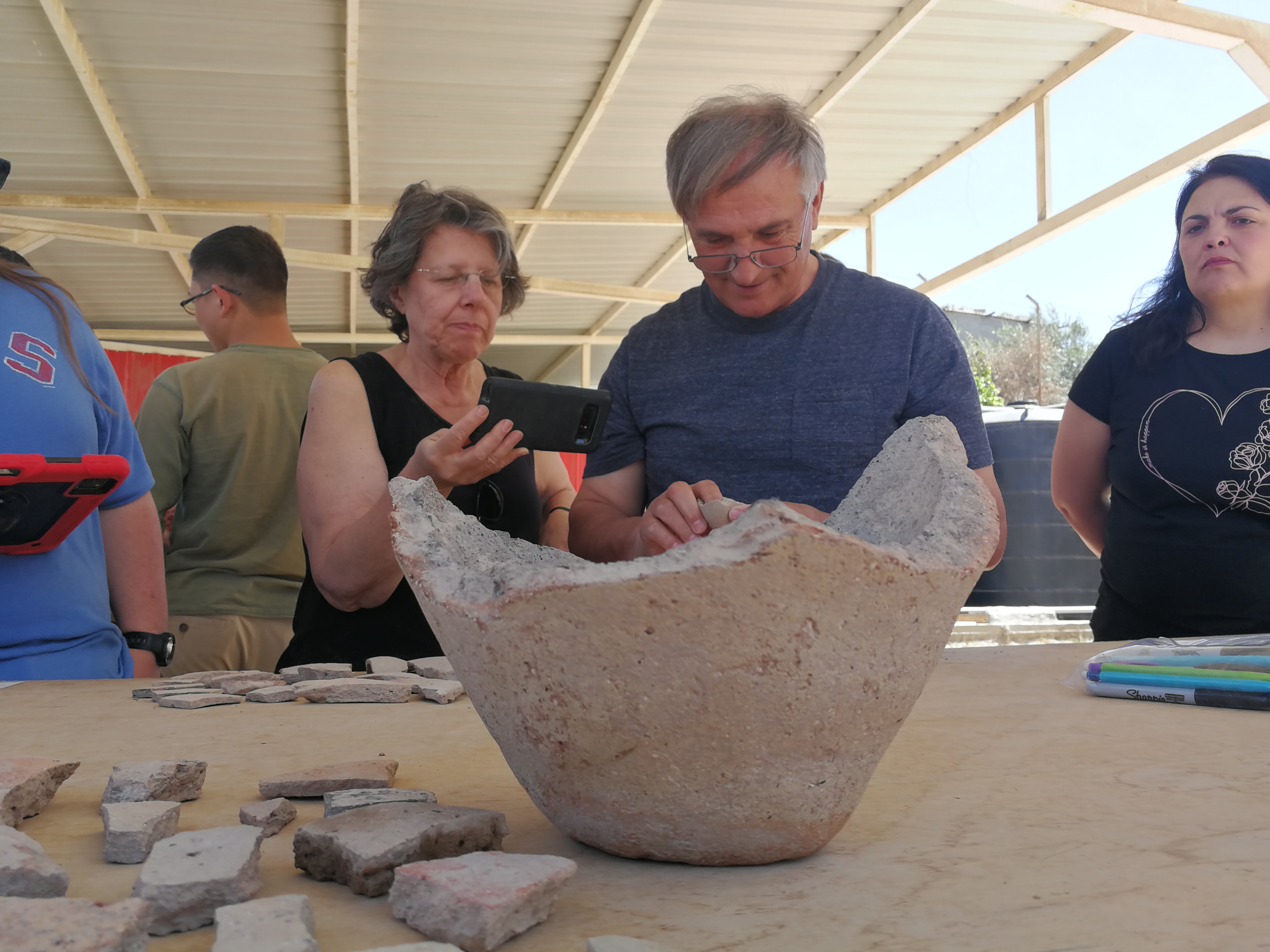
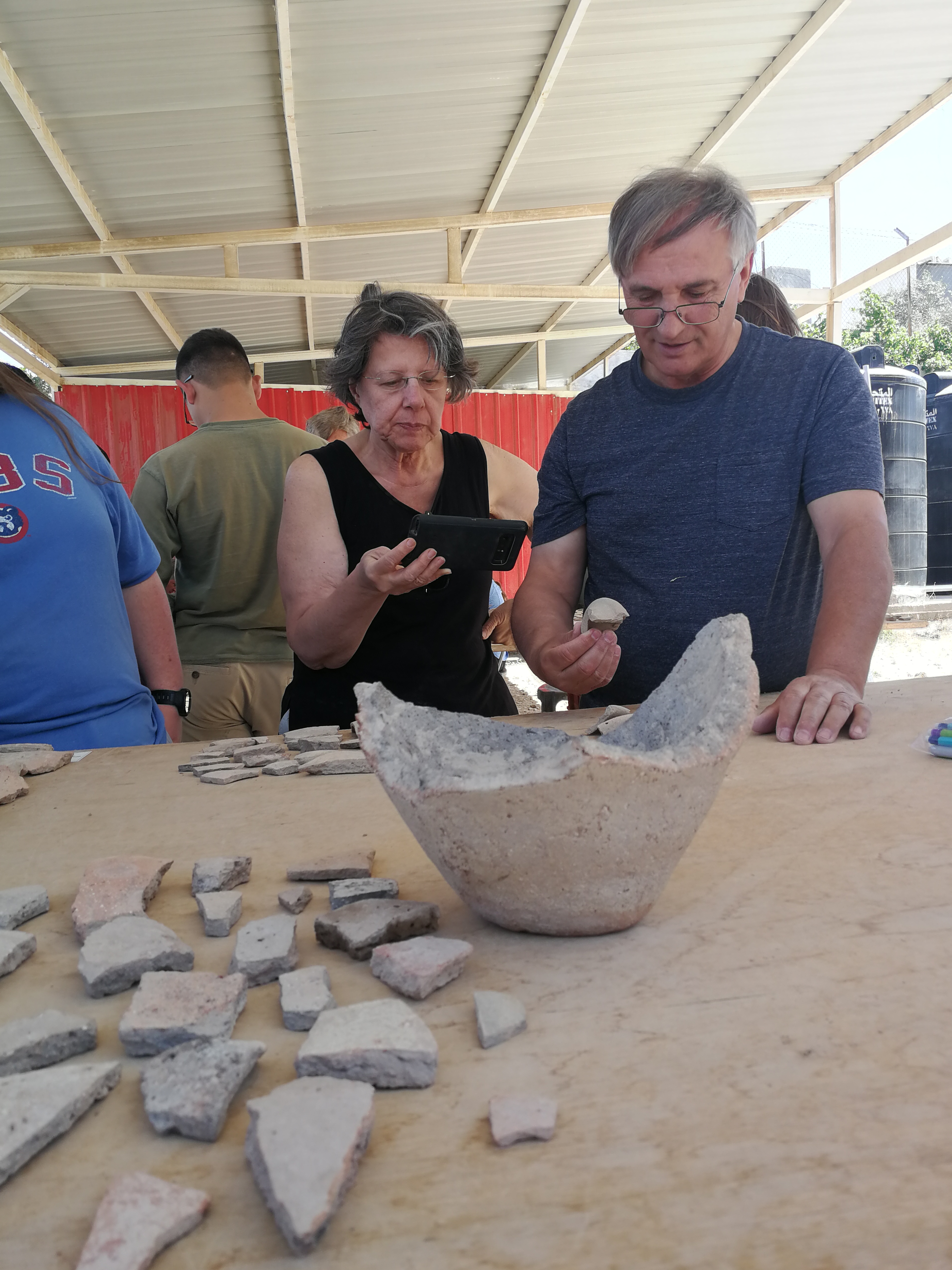
By analysing the shape, size, and features of pottery, archaeologists can infer its purpose and use. This can provide insights into ancient people’s daily lives and activities, such as food preparation, storage, and consumption.
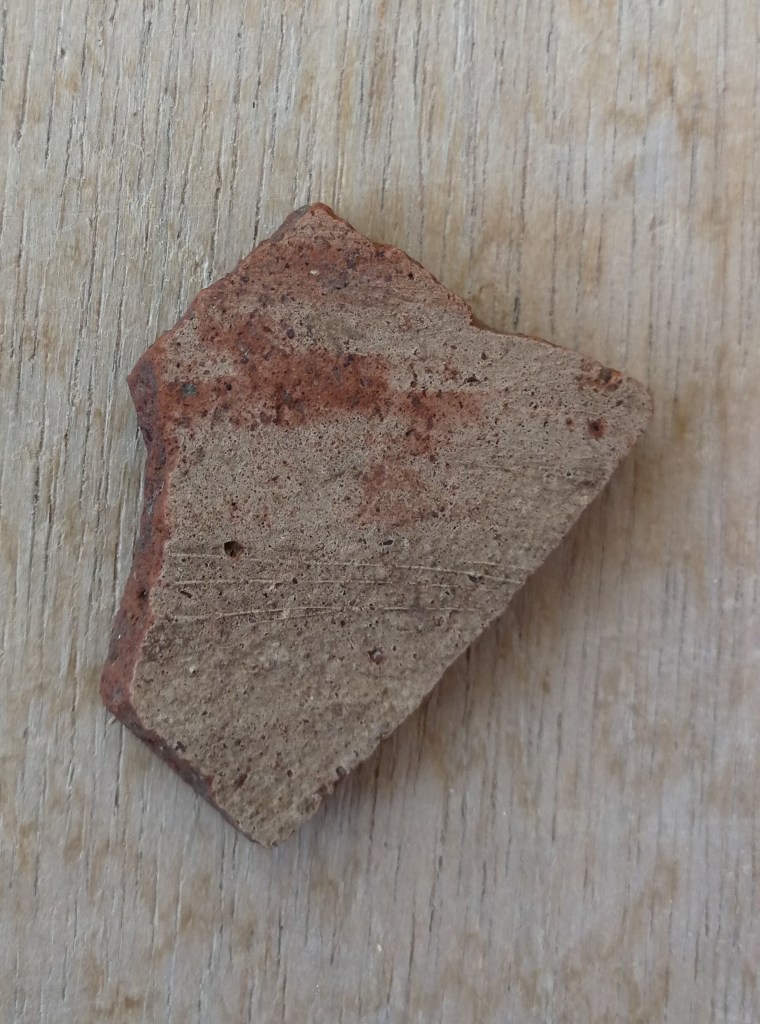
Pottery can also serve as a form of artistic expression, showcasing a society’s aesthetic preferences and values. The decorations, motifs, and designs on pottery can reveal information about the beliefs, rituals, and social structure of the people who made and used them.
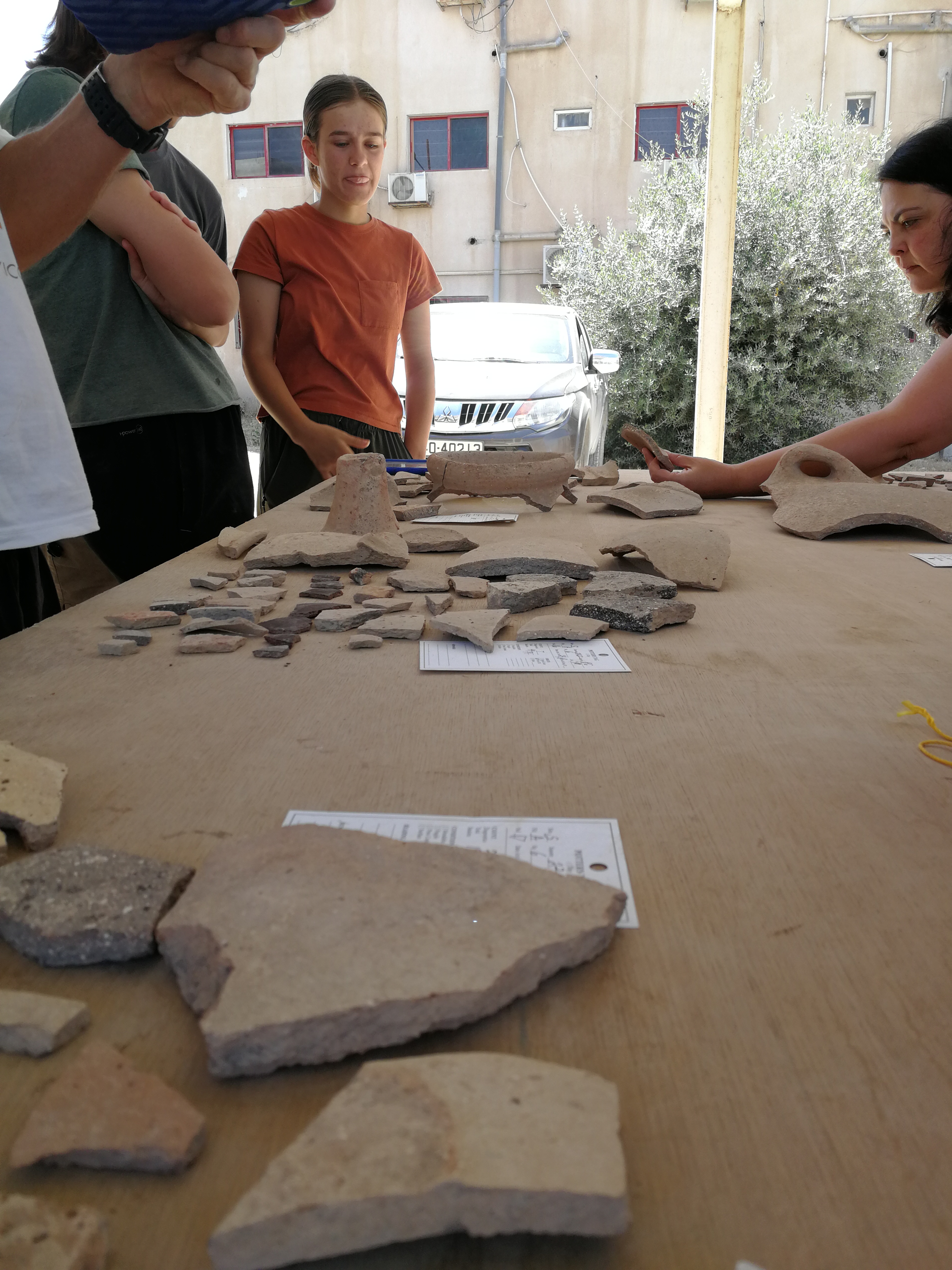
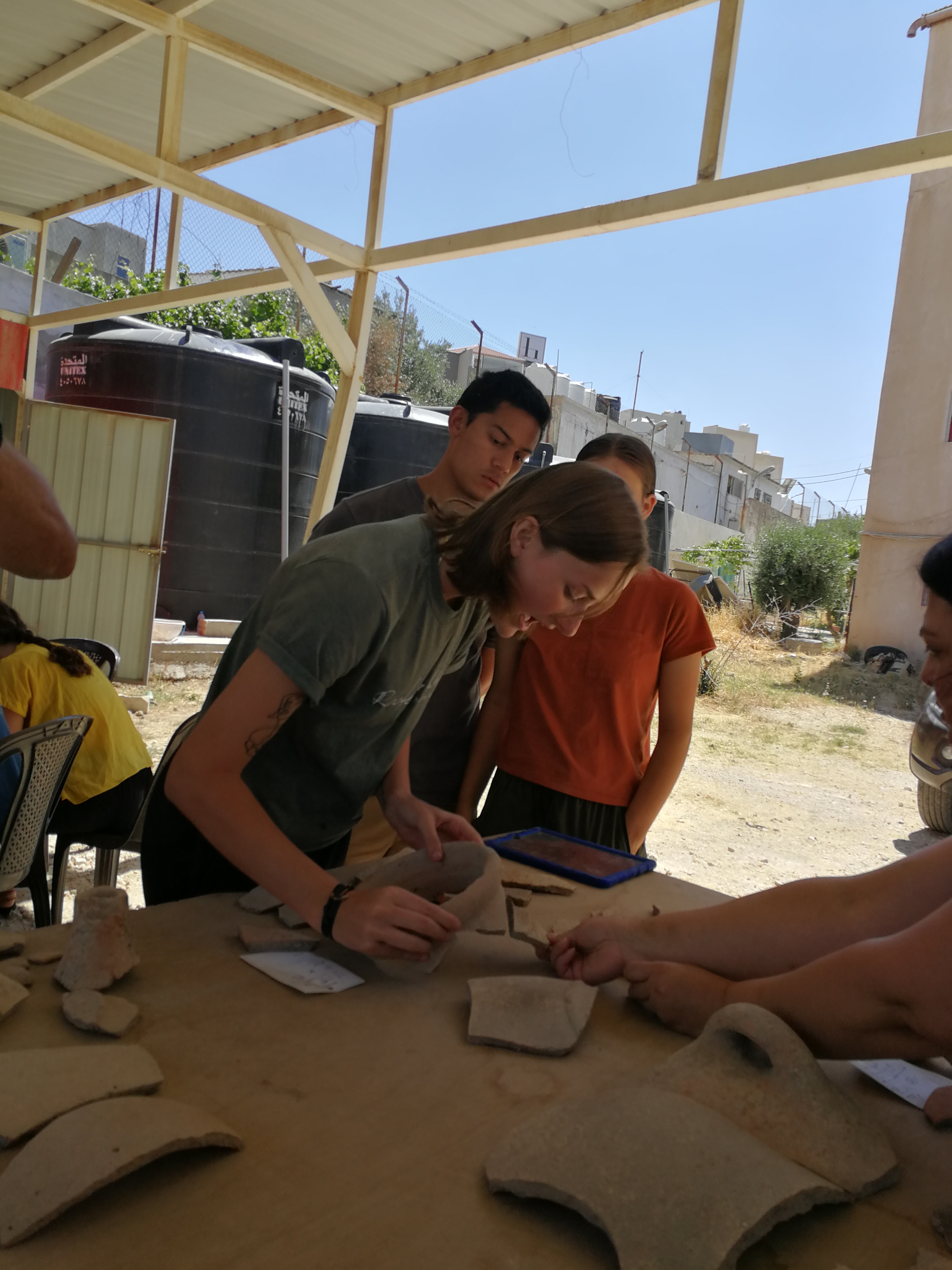
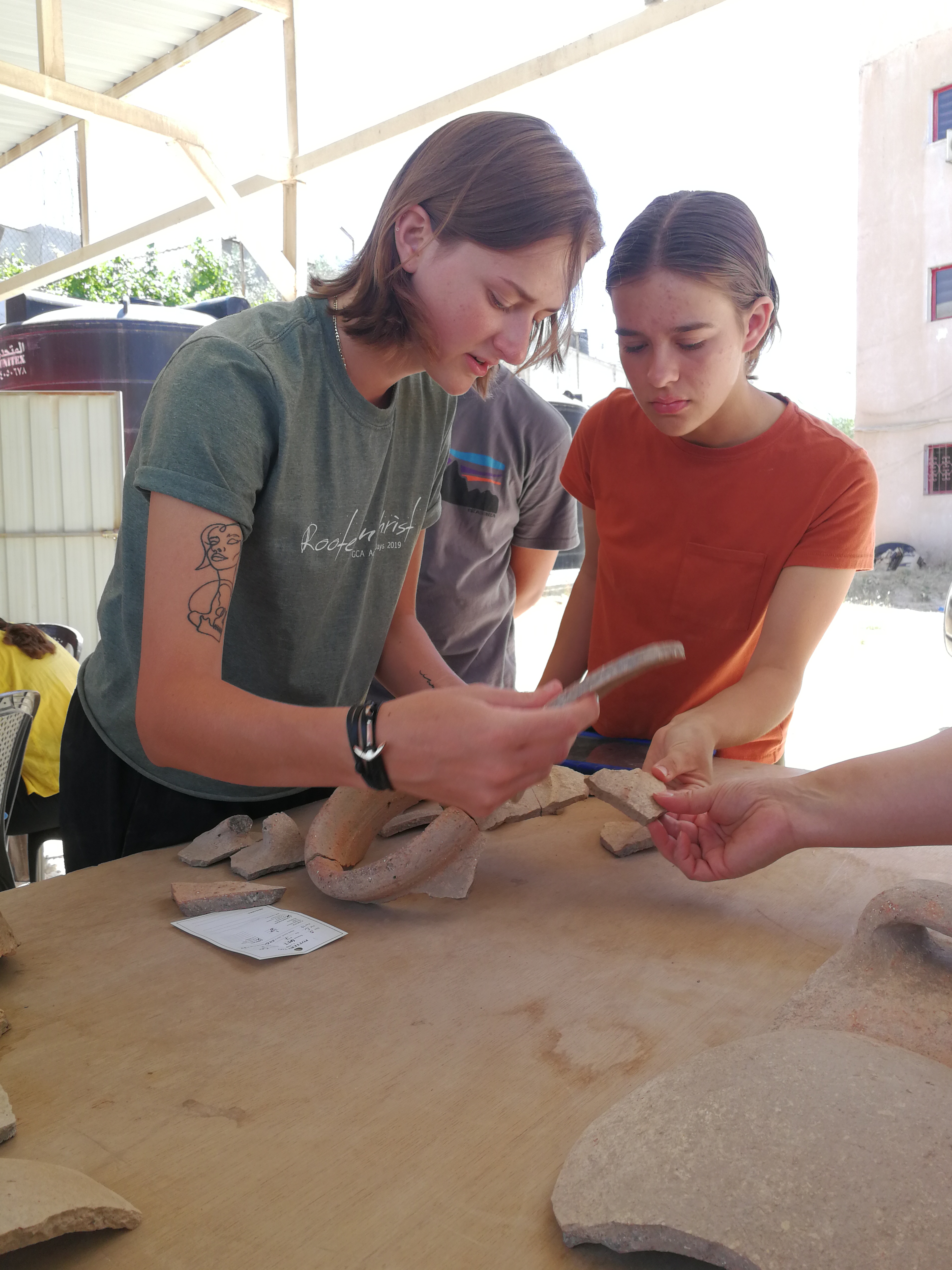
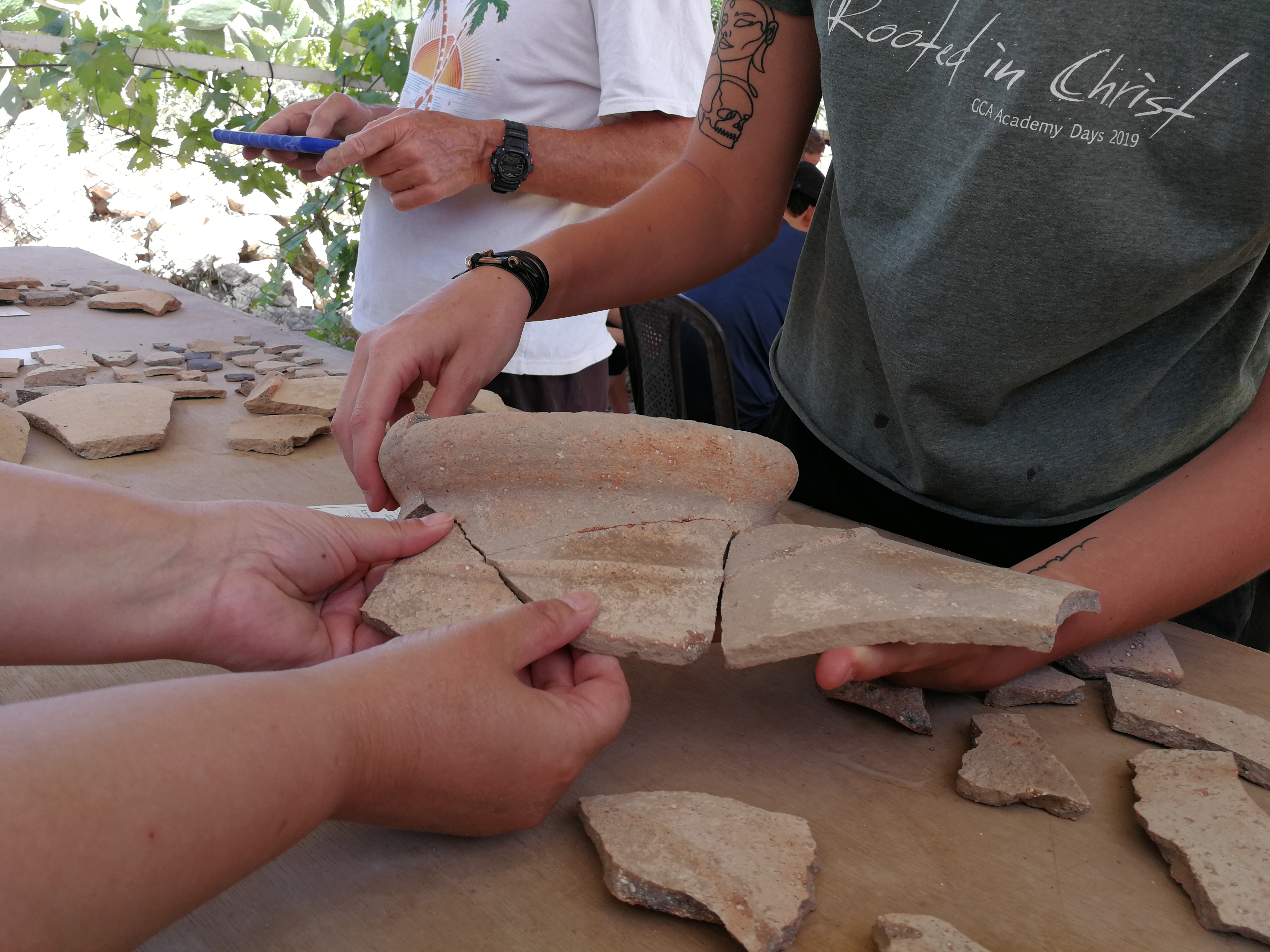
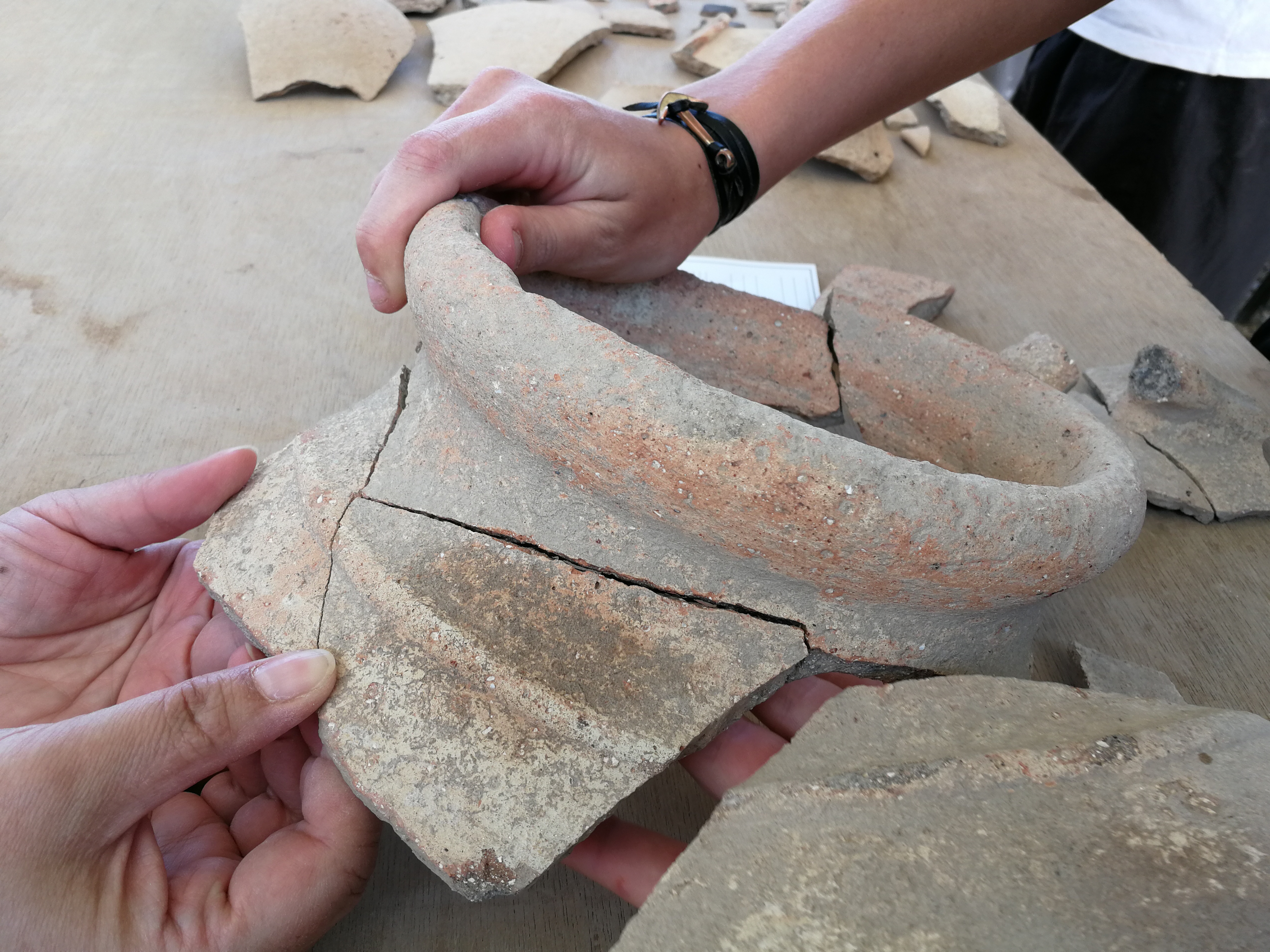
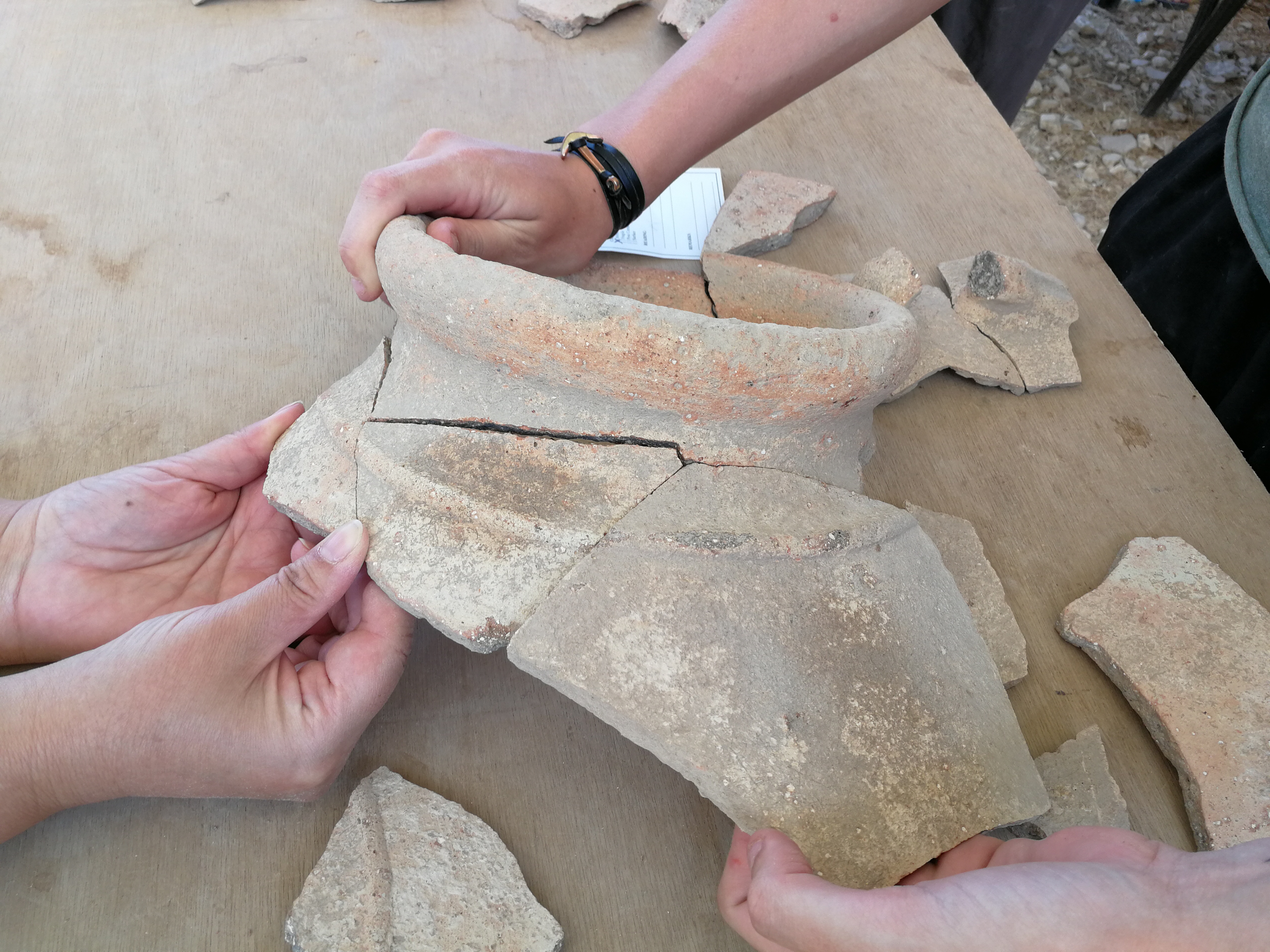
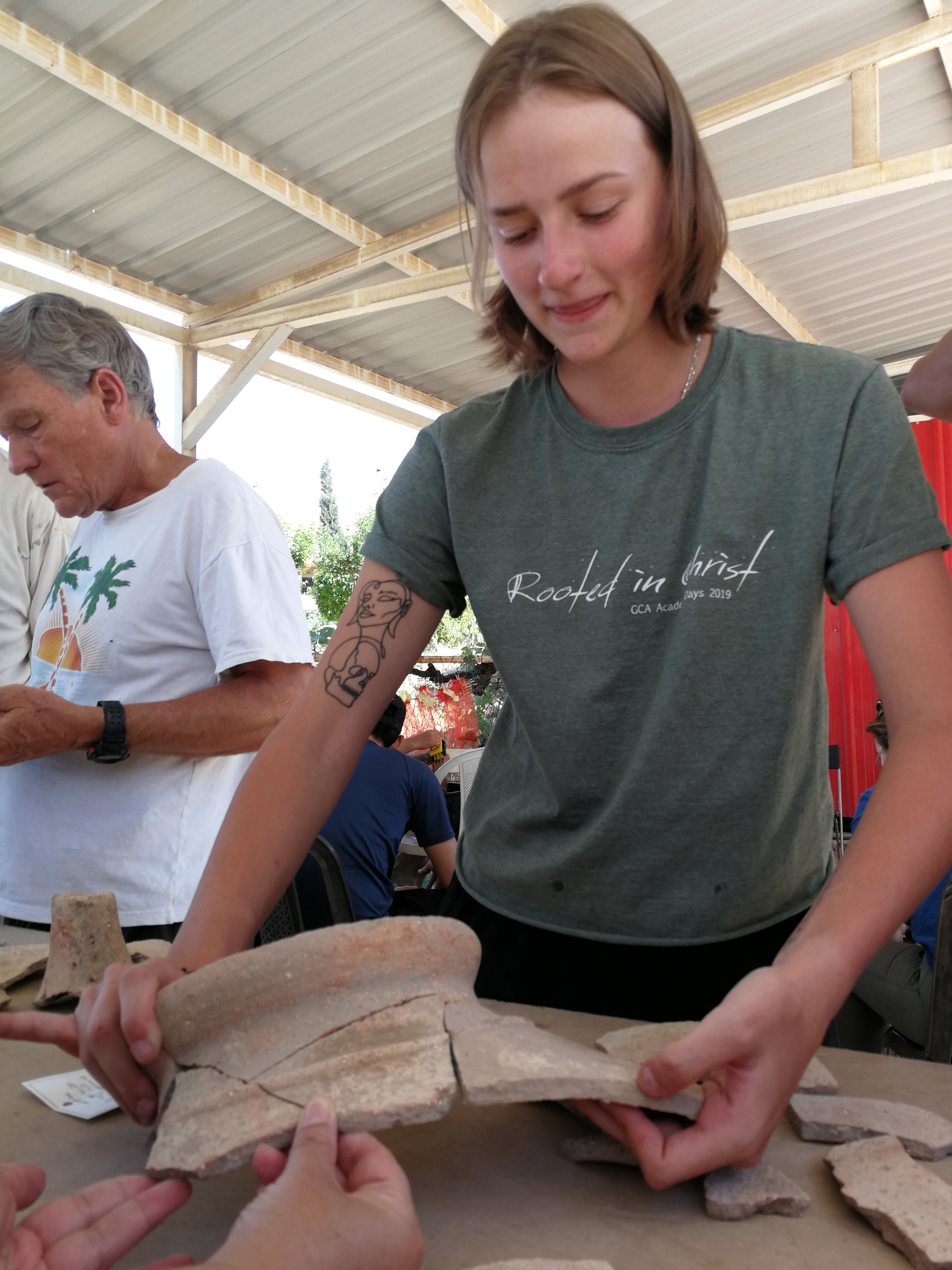
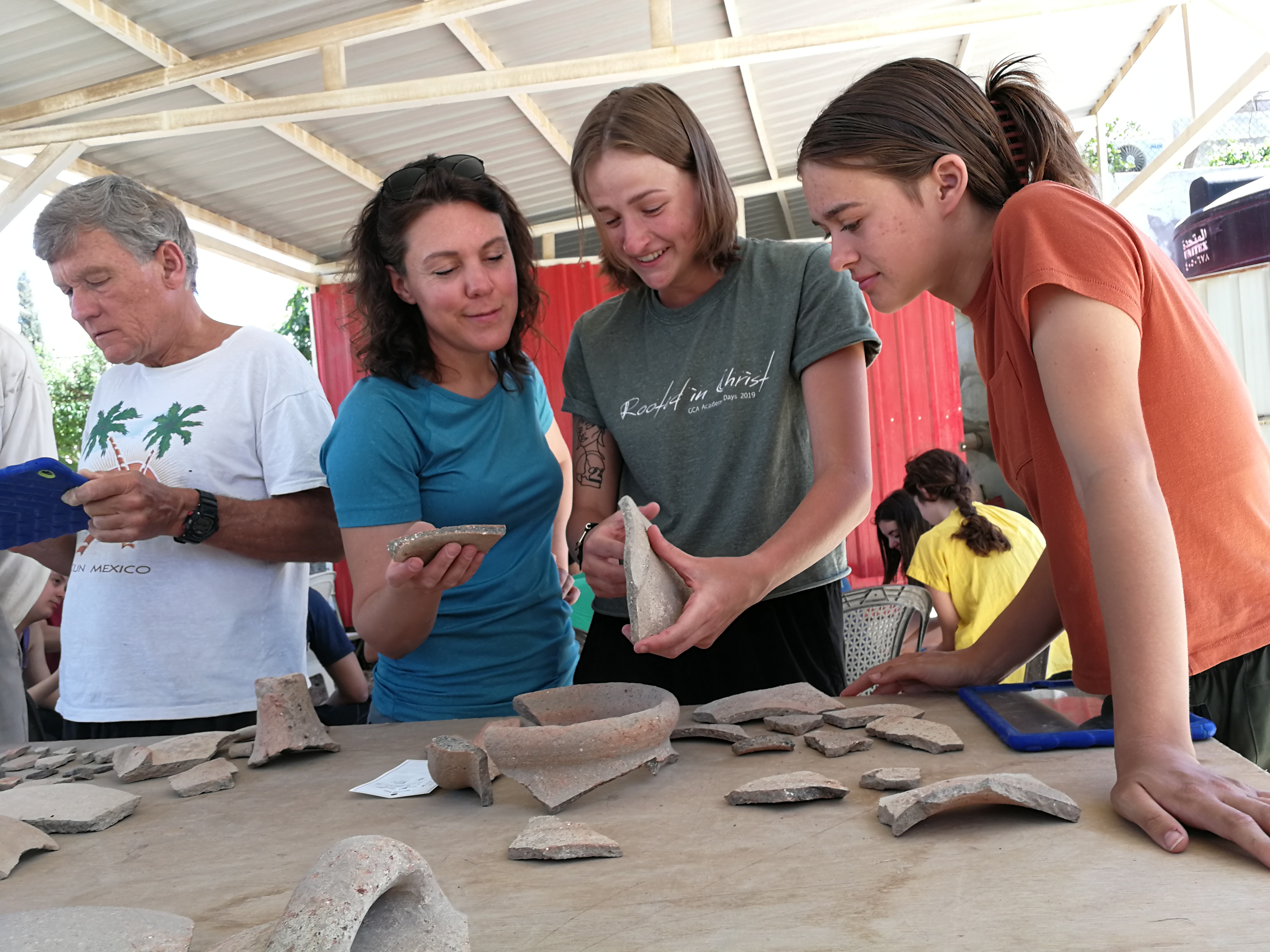
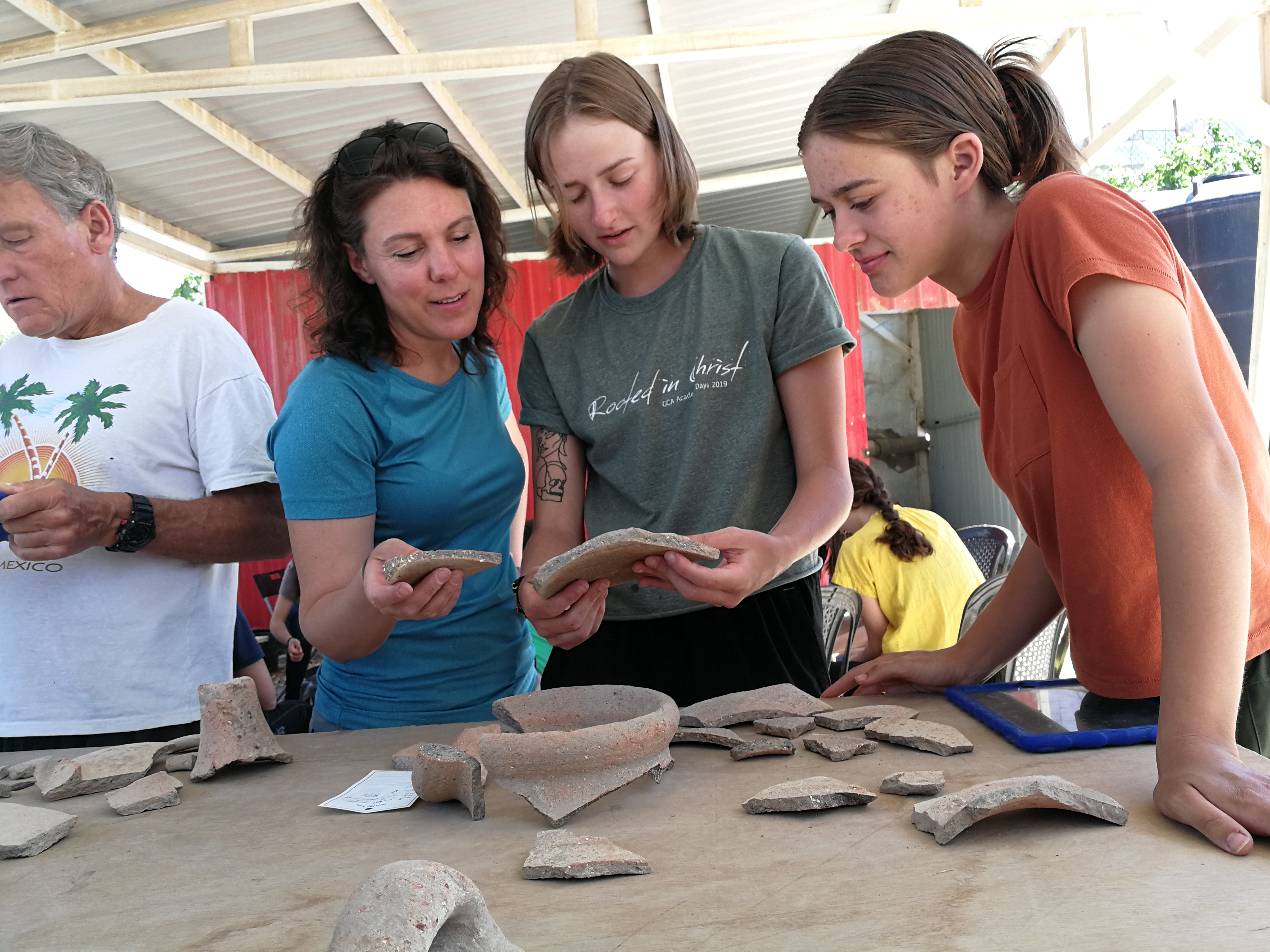
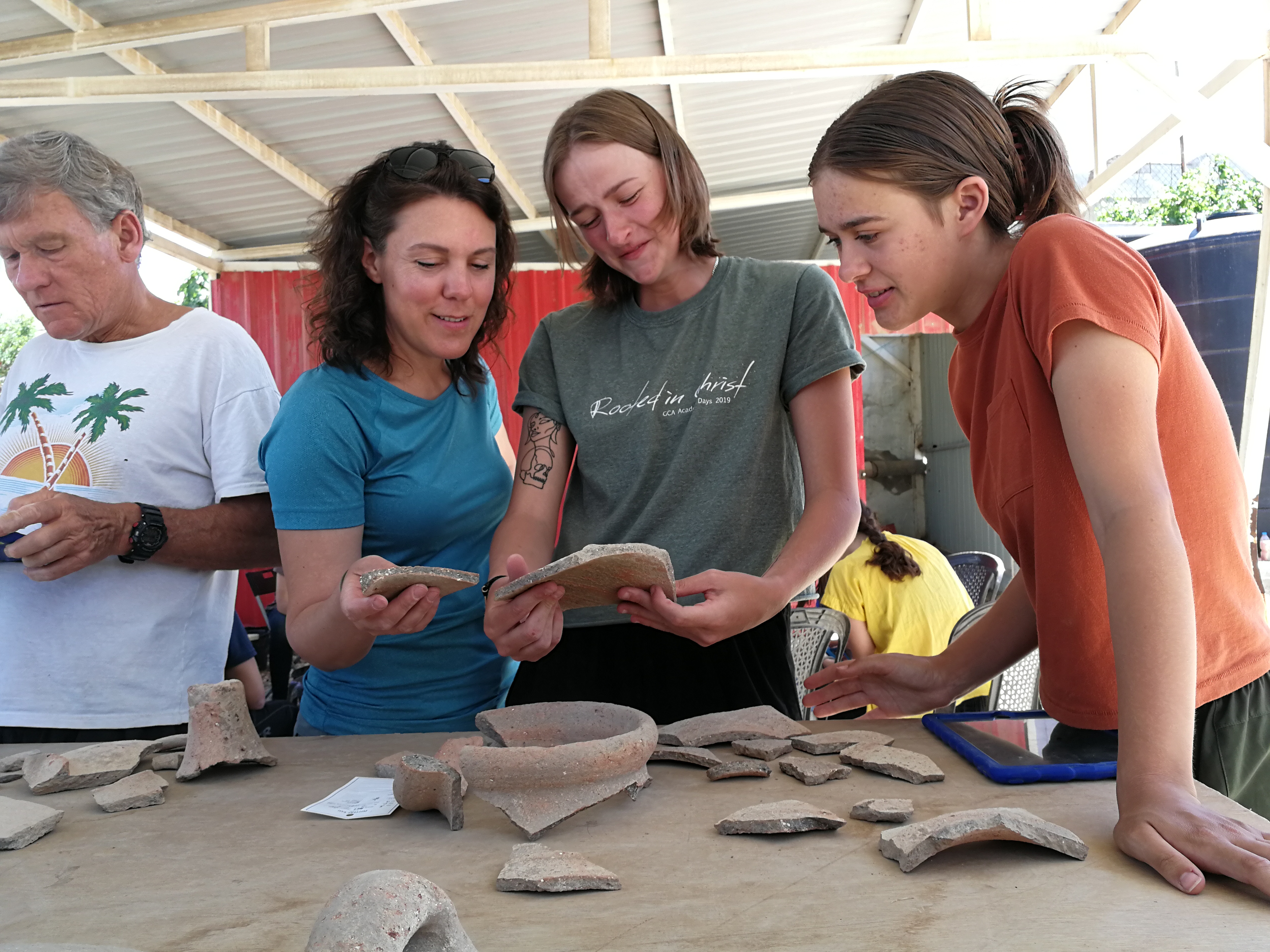
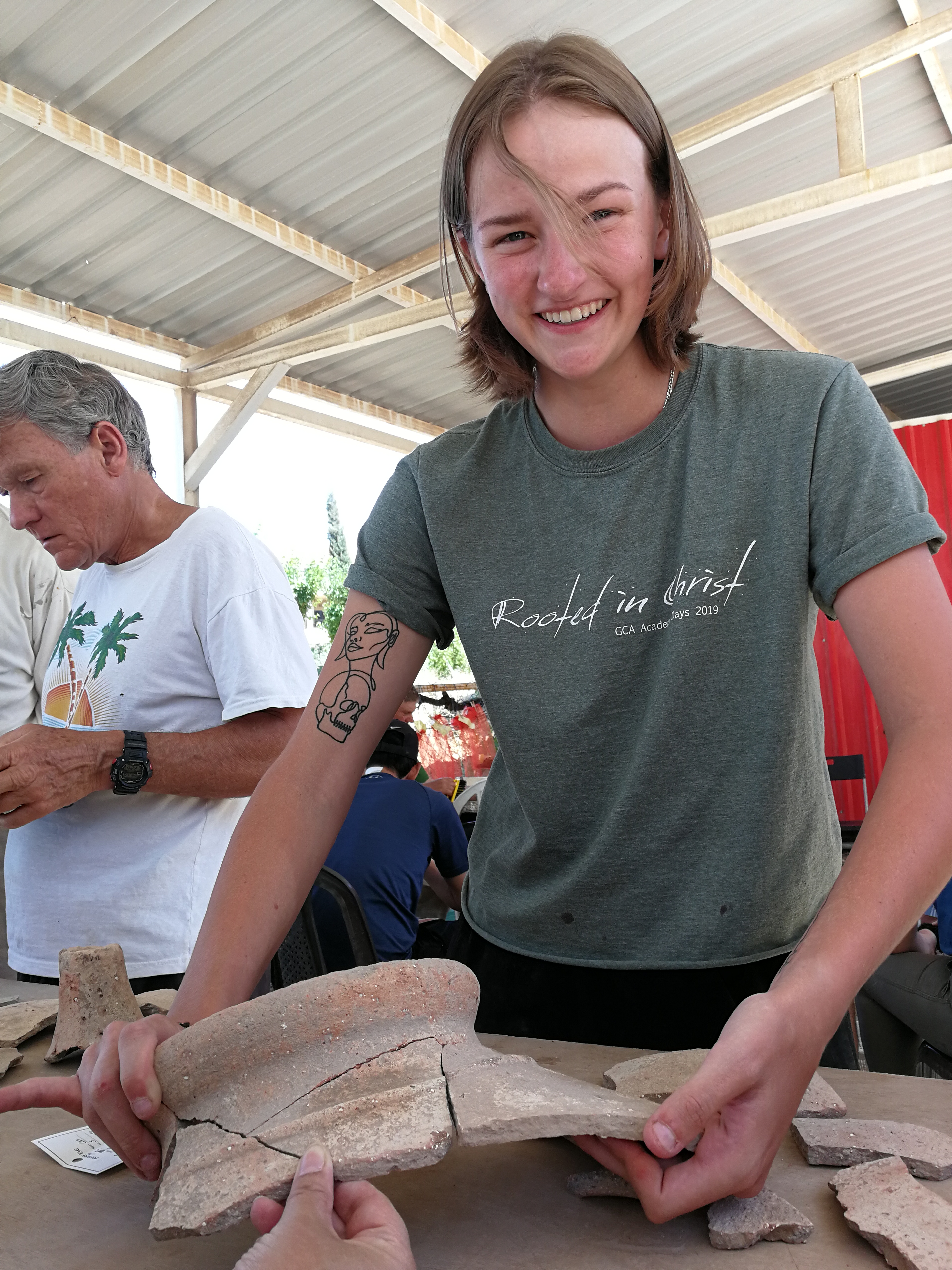
Overall, pottery is a valuable resource for archaeologists as it can contribute to a more comprehensive understanding of ancient societies, their cultures, their relationships, and their environment. The insights gained from studying pottery can contribute significantly to our understanding of the past. But most importantly, once you have experienced the process of digging, collecting, washing, counting and photographing pottery sherds, you can call yourself a genuine “dig member”.

